One finds the best diving on the Great Barrier Reef in the June to September window; the dry season puts an end to the humidity and the seas are calmer for good water visibility. Then there is May and October which will not disappoint. Should you like your water warmer and have no objection to the vagaries of tropical weather, November through April is where you will find it, with the added bonus of fewer people about.
Tristan Farrow here. I plan my travels as I did when running events: by anticipating what might go wrong before the rest of them show up. Out on the reef that is a matter of making allowances for the wind, the swell, stinger season and the odd timetable with a mind of its own. In this guide I have laid out the practicalities of Great Barrier Reef diving for 2026 and compared the months and seasons.
Great Barrier Reef Diving Seasons
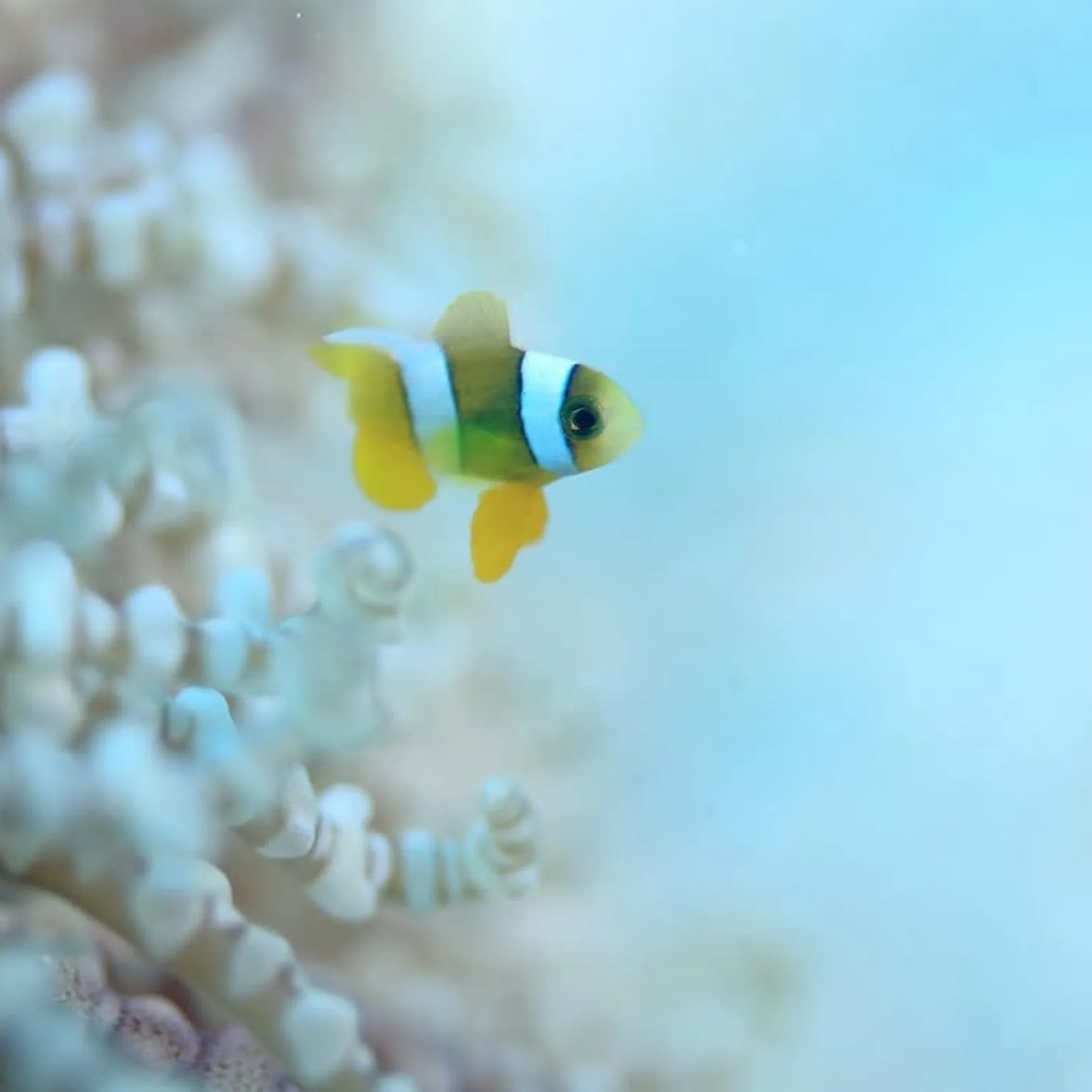
You could say the reef has two travel periods: the wet from November to April and the dry from May to October. One does not preclude diving over the other but the experience on the water is different.
A dry-season outing from Cairns or Port Douglas will be a more comfortable affair with reliable weather and calm crossings. The wet season affords you warm water, some fine tropical marine life and a quieter boat, yet you may find departures and visibility at the mercy of stronger weather systems and runoff. These conditions can also suit wreck diving for beginners on the reef.
Seasonal Conditions At A Glance
| Period | Typical experience | Who it is for | What to watch for |
|---|---|---|---|
| May to October | Calmer seas, drier and less humid | Those with set dates, photographers and first-timers | Occasional wind, cooler mornings and the busier peak times |
| June to September | Dry-season at its most dependable | Outer-reef day trips and clear-water diving | More demand and not as warm as summer water |
| November to April | Variable and tropical | The flexible diver | Humidity, stingers, runoff and the possibility of a cancellation |
Take these as patterns for planning, nothing more. With the reef stretching over 2,000 kilometres, what one sees off the outer reef can be quite unlike the inner reef or in Port Douglas on any given day.
And do make a habit of consulting the Great Barrier Reef Marine Park Authority for the official word prior to booking and once again before you leave.
Best Month For Diving
The short answer is August. You get your pick of liveaboards and day trips to go with the good visibility and a lack of oppressive humidity. But there is much to be said for June, July, September and October. A shoulder-season balance is to be had in May. Or if you can put up with some rain and an altered schedule, November to April can be well worth it.
Choosing Your Ideal Month
For the peace of mind of a safe planning margin, go with June to September. That is advisable when you have children in tow or have shelled out for a liveaboard and would rather not have a day wasted for a jellyfish warning.
A compromise on the weather and the numbers is found in May or October. If having spare days to absorb a cancellation is no issue and you want the warmest water, make it December to February. March and April are still good for a dive though the wet season may not have fully passed.
Dry Season Diving Benefits
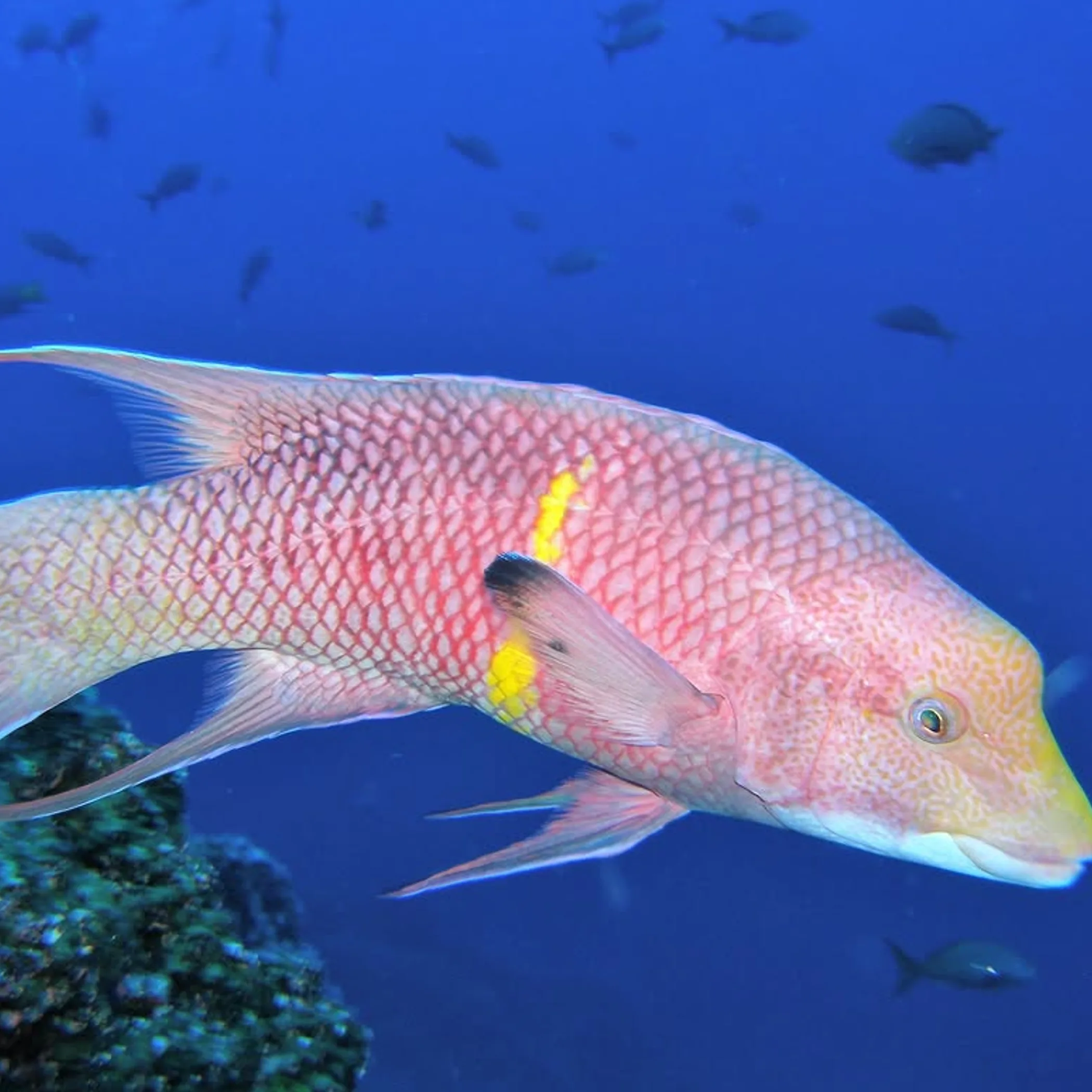
From May to October the dry season is generally the easiest to put together. Rainfall is down, the humidity is not so bad and the boat ride is more settled.
It is no surprise that June to September is the favourite part of the dry season; the tourism operations are as reliable as the air temperature and the visibility. The downside is that you will find flights and the better reef boats taken earlier due to the demand.
Conditions From May To October
A first time on the reef is very sensibly done in May. The water is warm enough for all but you might want a wetsuit for comfort on a long dive. October’s longer daylight and warmer water come with a rise in humidity and less predictability.
Do not think winter means cold. In the cooler months of the dry season the reef is in the region of 22°C to 24°C, and in summer 27°C to 29°C. Of course tides, depth and location will have their say so consider those numbers a rough guide and not a guarantee from Poseidon.
A Look At The Realities Of Wet Season Diving
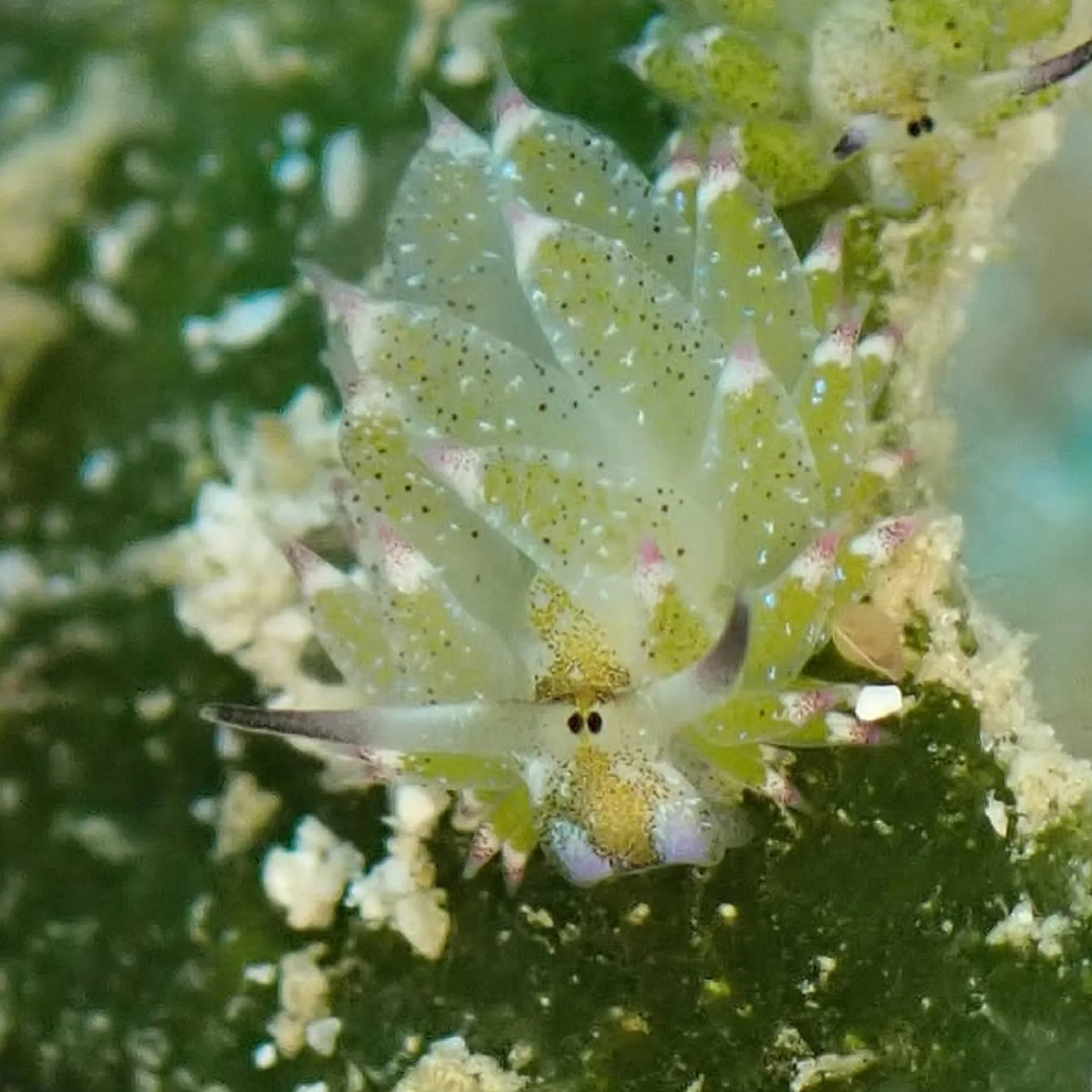
The Great Barrier Reef is open for wet season diving between November and April. While one will find the water in its warmest form, tropical downpours, humidity and a change in the wind have a way of impacting sea conditions and what can be seen.
Then again, a bit of rain is not going to put paid to a dive. Underwater you are largely insulated from any shower that the boat crew has to contend with. It is the protracted rainfall, the freshwater coming off the coast, rough waters on the way out to the reef and poor visibility that are of more concern.
Making The Most Of The Wet Season
Those with an itinerary to spare will find wet-season diving to their liking. Put in an extra day or two and you will not be left with a costly hotel gym session if a departure is called off.
There is no guarantee as to marine conditions; they are variable and local. But the warmer water is conducive to active reef life and there is the added draw of quieter boats for the diver who would rather not be crammed in with the rest. The outer-reef can be clear enough after a rain if runoff has not made it there. As for where the best location is, operators will make their call based on tides, swell and wind, so this could be decided on the morning you set off.
A Monthly Guide To The Reef
One can use the following as a point of comparison when planning by month, given that the weather and temperature on the Great Barrier Reef have a bearing on logistics and comfort. Make sure to check the forecast and take the operator’s word on it nearer to the time of departure.
January Through April
In January the heat and humidity are high and it is apt to be wet. Water temperatures run high but expect the odd interruption to departures from the wind and rain. A flexible approach is warranted.
February tends to follow suit. After a heavy rain nearshore visibility may be compromised by coastal runoff, though the outer-reef is often in better shape. With stinger season in full swing, heed the safety instructions of the operator and put on the protective gear they put at your disposal.
You might see some calmer days in March amid the lingering tropics. April is a good transition month for warm water and conditions that may be on the upturn, yet neither can be planned with the certainty of the central dry season.
May To August
With May the dry season gets under way and the humidity is lessened. It is a comfortable period to mix scuba with some time in the rainforest or on the mainland around Port Douglas and Cairns.
For those who prefer to avoid the kind of heat that is oppressive and want the seas to be calm, June and July are dependable. A wetsuit is a welcome addition for multiple dives since the water is not as warm as in summer.
Many will tell you August is the one to have. Diving on the Great Barrier Reef in this month is a good all rounder for clear water, the weather and marine life. To secure a certain cabin or day you had in mind, book in advance.
September To December
September is likely to have the same comforts and visibility as the dry season. For a crossing without the winter chill it is hard to beat.
October is a shoulder month. Daylight is ample and the water is warming up and conditions are favourable for the most part, if the wind and humidity do start to pick up.
As November and December arrive you are moving into the wet and stinger season. There is still fine diving to be had but do not take marine-safety advice lightly, especially in shallow water or on the beach, and be prepared for some variability in the weather.
On Visibility And Marine Life
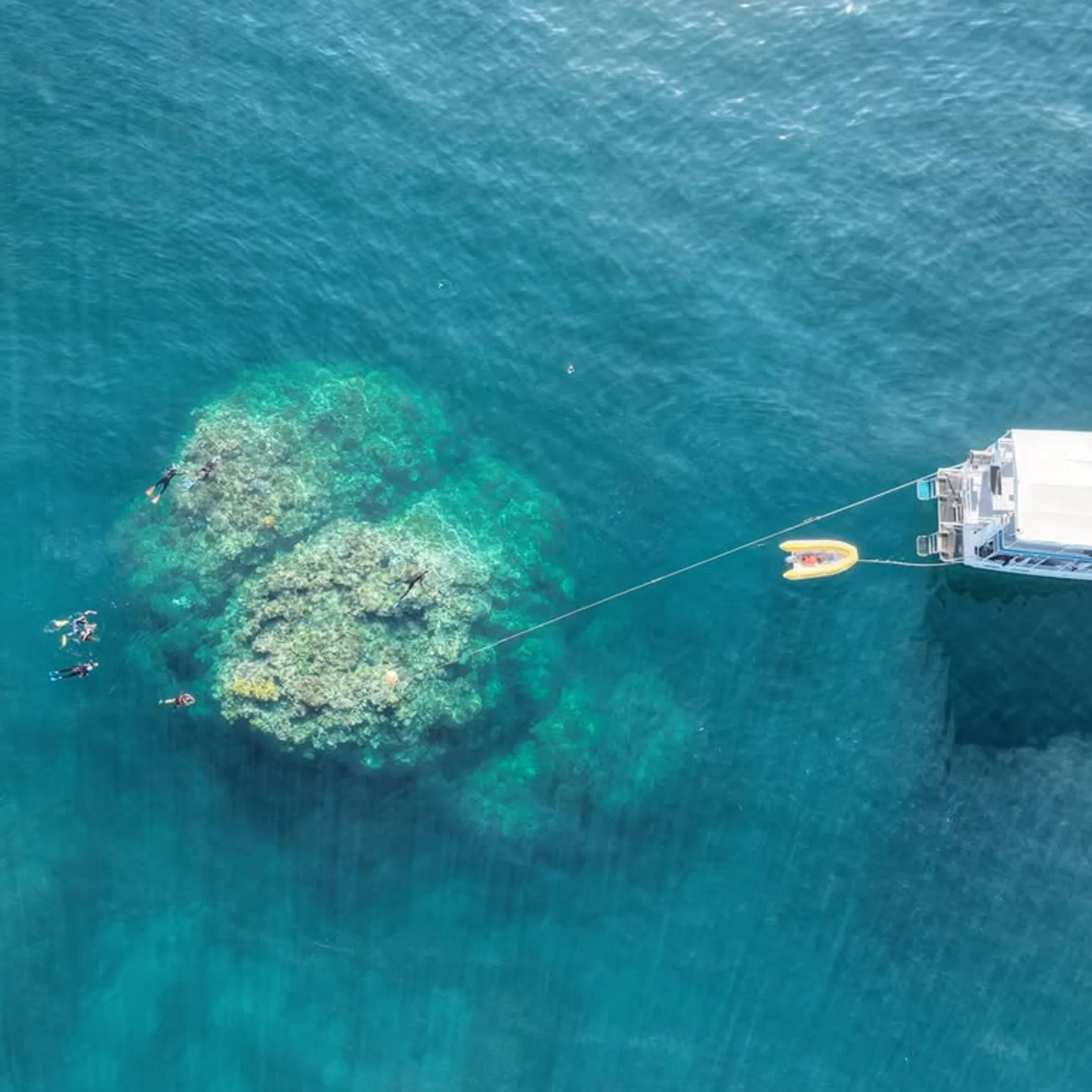
Do not assume the prime month for seeing marine life and having calm seas is the one with the best visibility. What you get in terms of clear water is down to the tides, the location, the recent weather and so on. Marine life is at the mercy of the temperature, habitat and breeding cycles.
Your odds of a comfortable crossing and clear-water photography are highest from June to October. In the warm months things can be lively but a lot of rain and runoff will diminish visibility at some of the coastal sites.
Coral Spawning
This is a matter of environmental cues such as the lunar cycle and daylight, as well as the temperature of the water. Since it is location and year dependent, do not go booking a trip on the assumption of a spawning event.
If that is what you are after, enquire of the operator as to what has been observed locally. For healthy coral and fish activity in comfortable conditions the dry season is the safer bet.
Beginner Diving Conditions
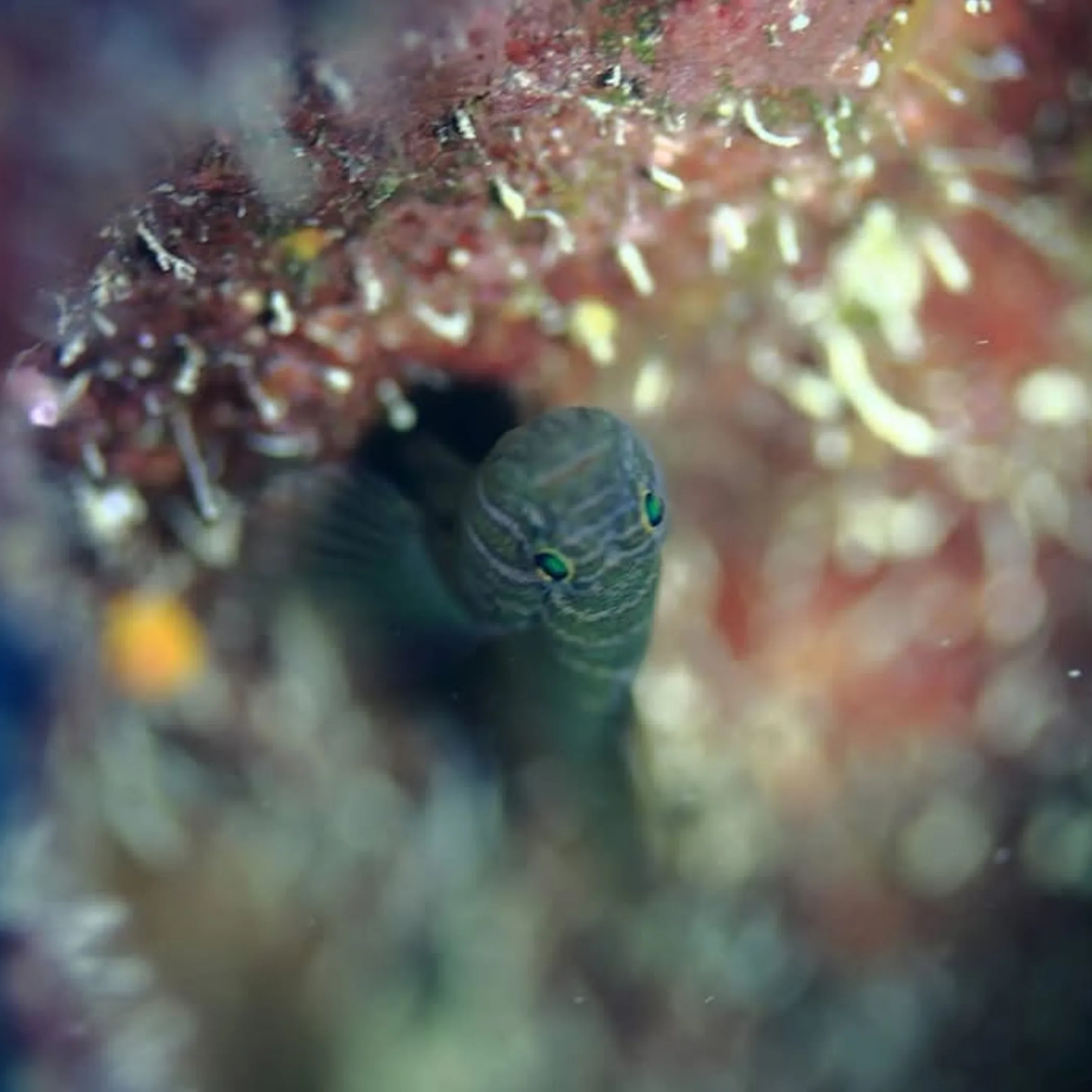
For the novice diver, a reputable operator with instructors to spare and a short transfer in calm seas is what one should look for. The months of June through September tend to be the most straightforward time for an inaugural trip on account of more predictable weather, but then again sea conditions will have more bearing on things than the calendar does.
New divers can make of a day from Cairns or Port Douglas a fine, structured introduction. There is more to be had in terms of dive time and remote locations on a liveaboard, yet that comes with early rising, a few nights aboard and not much recourse if you find yourself seasick in a captain’s hat.
One-Day Reef Plan
Make it a direct outer-reef outing with a sensible cancellation policy and room for an introductory or certified dive. Before parting with your money, put in the time to verify the return and departure times, how long the transfer is, any medical declarations and where you are setting off from.
Do not put in for a domestic flight on a tight schedule after; the boat will have left early and may not be back until late afternoon or evening at the port, contingent on the site and the sea.
Wreck diving is not something a beginner needs to put first on the agenda. It is better to master equalisation, buoyancy and breathing on some placid coral reef before venturing into anything more complicated.
Stinger Season And Safety
The wet season brings warmer weather and with it the stinger season on the Great Barrier Reef for the most part, say November to May, though one should heed local advice. It is no bar to swimming or diving so long as the precautions put in place by operators and authorities are observed.
A full-length suit is advised when called for, and crew instructions must be heeded; do not be under the impression a beach is safe because it is quiet. Stingers are only part of it: a current, dehydration or the sun will put paid to a day quicker than a missing fin.
Practical Safety Checklist
- Book only after you have sorted out certification and medical requirements.
- Have on hand dry clothes for the way back, water, a hat and reef-safe sunscreen.
- Pay attention to what is said in briefings on surface support, entry points and the like.
- Your operator and training agency will have guidance on how much time to put between a flight and a dive.
- Before you leave Cairns or Port Douglas, see what the marine warnings and weather are.
Those with any doubts about their swimming or who are pregnant or on medication would be well advised to get professional and medical input. Some will be better served by snorkelling, provided there is supervision and flotation awareness.
Costs Access And Logistics
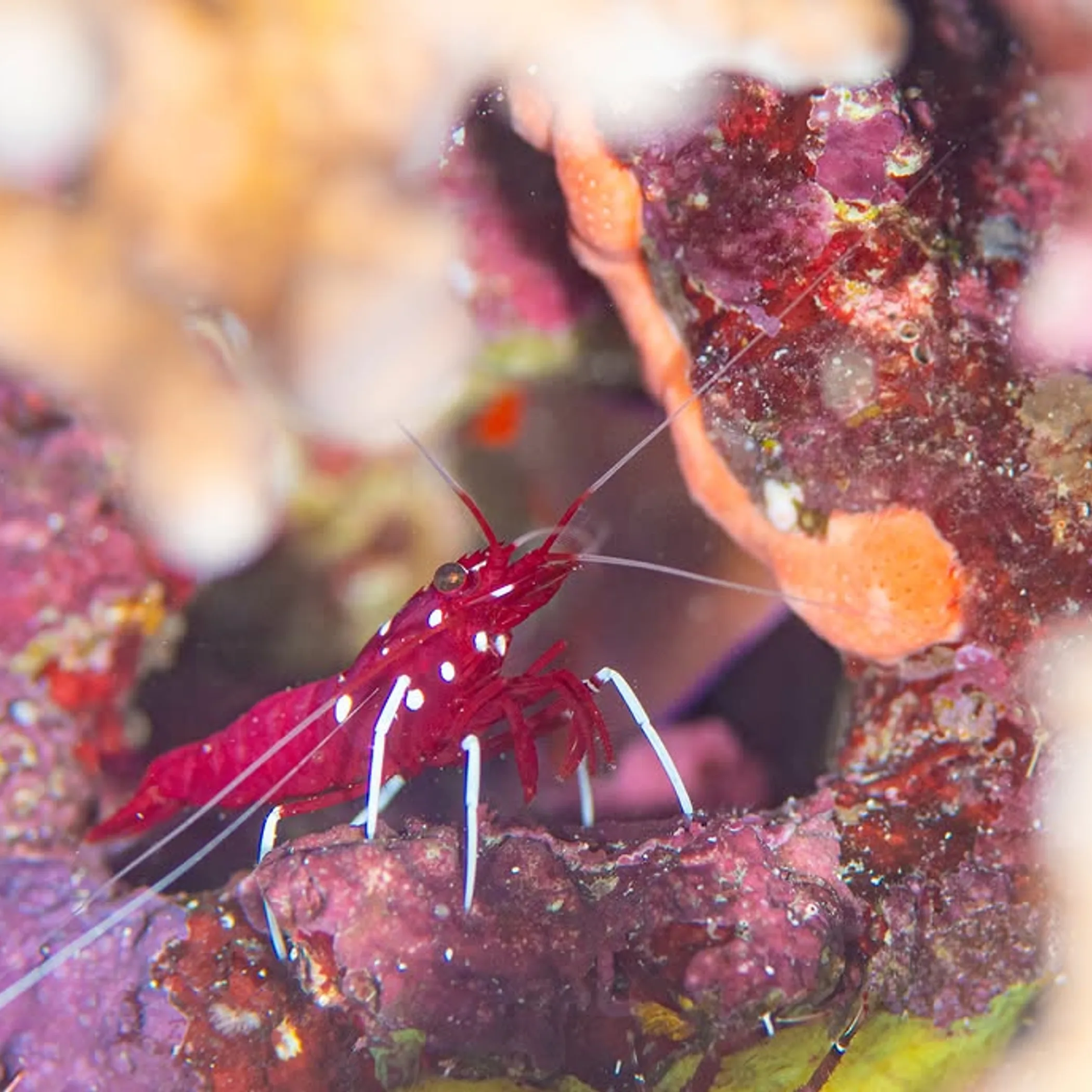
Port Douglas is a handy base for a compact holiday and the northern sites, but Cairns is where most day trips originate. Taxis, shuttles and rental cars are readily available but “Cairns departure” could mean a separate transfer so check the marina.
As for parking and transport, costs are a matter of where you are staying and the marina. You will want to put aside for the fare, meals, wetsuit and equipment hire and any marine-park fees that are not part of the package. An old forum post is not a reliable guide to prices which are subject to the date and inclusions.
Accommodation rates can be quite different in the quieter wet season compared to school holidays or the peak of the dry season. There is no value in a room with a lower price tag when it means paying for an early-morning transfer from the far side of town.
Expectation And Reality
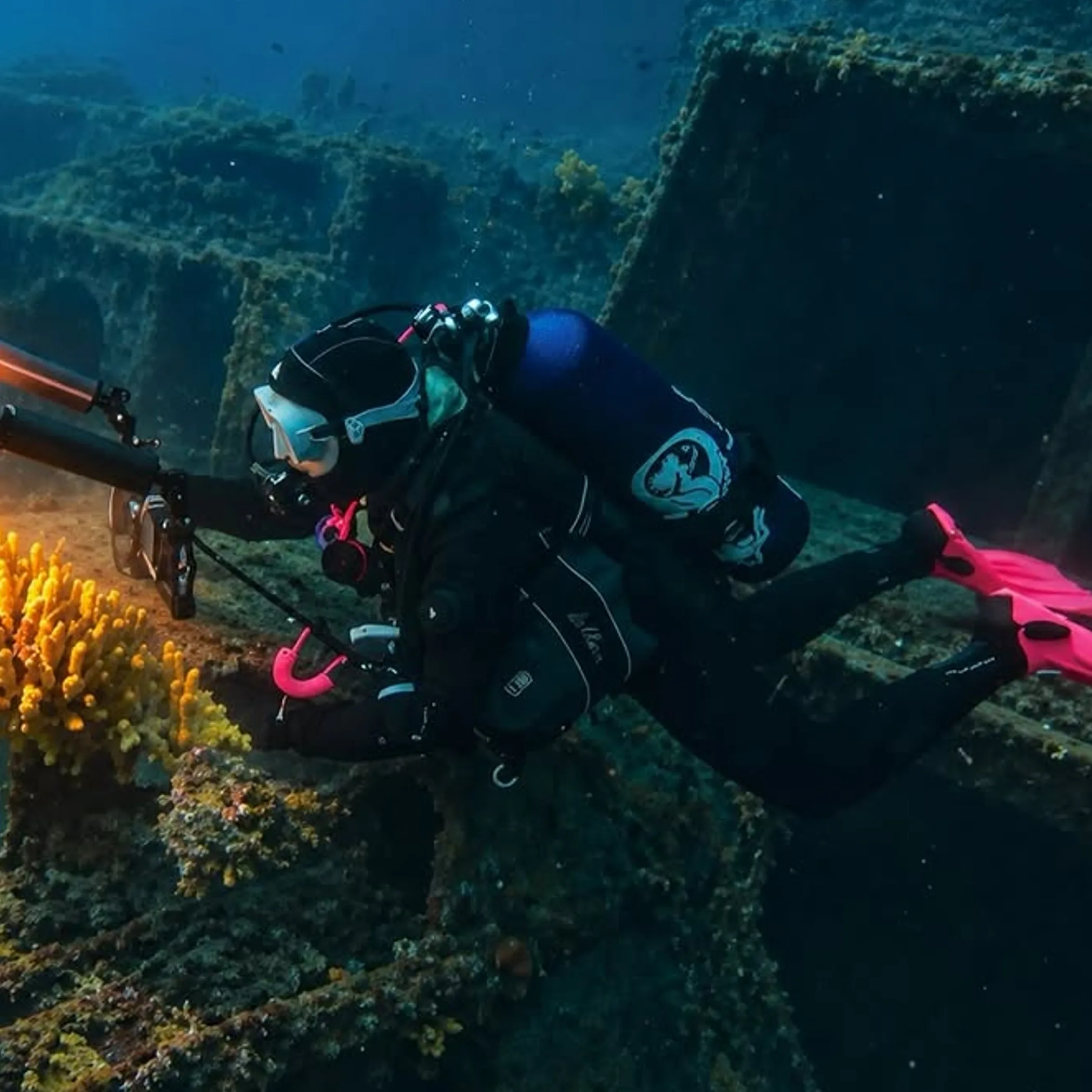
Expectation: You might think a reef excursion will be all glassy water and visibility to spare. Reality: In fact, wind, tide and site will dictate the conditions; put your faith in a good crew to alter plans as needed for the day’s best experience.
Expectation: Summer is supposed to be better diving on account of the warmer water. Reality: But that warmth has its downsides: humidity, rain, runoff and the need for stinger precautions.
Expectation: One day to do the whole reef? Reality: Not so much. The Great Barrier Reef is too vast for a day trip to tell the whole tale; what you get is a well-chosen sample.
Great Barrier Reef Season FAQs
We have put together some short answers to the questions that tend to trip up travellers, so they can see if the trip is right for their dates and experience and whether they are amenable to a little mucking about with the weather.
What Are The Seasons In The Great Barrier Reef?
In broad terms there is the dry season, May through October, and the wet from November to April. You will find the dry season to be more dependable with less in the way of humidity. The wet season has its warmer water but also tropical rain and a more unpredictable element to the weather.
What Is The 120 Rule In Scuba Diving?
It is a rule of thumb for recreational divers: take the Fahrenheit temperature of the water and add in the maximum depth in feet you intend to go, do not exceed 120. Do not make of it a replacement for proper training or a dive computer, let alone decompression planning or local protocol. An Australian diver would be well advised to heed his operator and training agency over any such simplification.
What Is The Biggest Killer Of The Great Barrier Reef?
You will not find one simple culprit. Then there are human impacts and crown-of-thorns starfish, not to mention marine heatwaves, coral bleaching, storms and water quality issues. Do not be taken in by anyone saying a single factor is responsible for every change in the health of the reef, which will vary from place to place and with time.
Is The Great Barrier Reef Rebounding?
After a disturbance certain reefs and coral will put themselves right again, but it is not even handed and the risks of poor water quality or repeated heat stress remain. A measured view is that while some parts of the reef may rebound, other sections are left damaged or exposed.
Can Beginners Dive During Stinger Season?
Provided the conditions are right and they are following what the operator says, beginners can. Get the protective suit as recommended, an experienced operator and pay attention at the safety briefing. Any doubts as to sea conditions or medical fitness and you should seek some advice before you get in.
Make Your Reef Dates Count
Many would point to August as the month of choice for a first visit, with June to September being the most reliable. For those with a flexible disposition who like warm water and a boat without the crowds, November to April is fine; May and October are good shoulder-season options.
Do not plan your Great Barrier Reef diving on the basis of what is popular. Choose the month that suits your budget and comfort and where you can accommodate an itinerary that has been put to one side. Put the wetsuit in your bag, have a look at the forecast and allow for some flexibility. The reef is under no obligation to put on a postcard performance. That is just how it is.
