Hot Water Safety Australia
We put the key rules into plain English with our guide to Hot Water System Safety Standards Australia. For the majority of households, stored water is to be a minimum of 60°C as a means of curbing Legionella bacteria; on the other hand, what comes out of the tap for personal hygiene should not exceed 50°C to avoid scalds. One has to look at the plumbing rules in force and the type of building or system in one’s state or territory to know the precise requirements.
I am Tristan Farrow and have been putting together no-nonsense guides for years on the sort of things that trip people up, hot water safety being a case in point. As a rule, a faulty system goes unnoticed until you have a cold shower, a dripping relief valve or an unfortunate burn. Some forethought will save you from any of those and is cheaper than an emergency call-out.
Standards In Australia
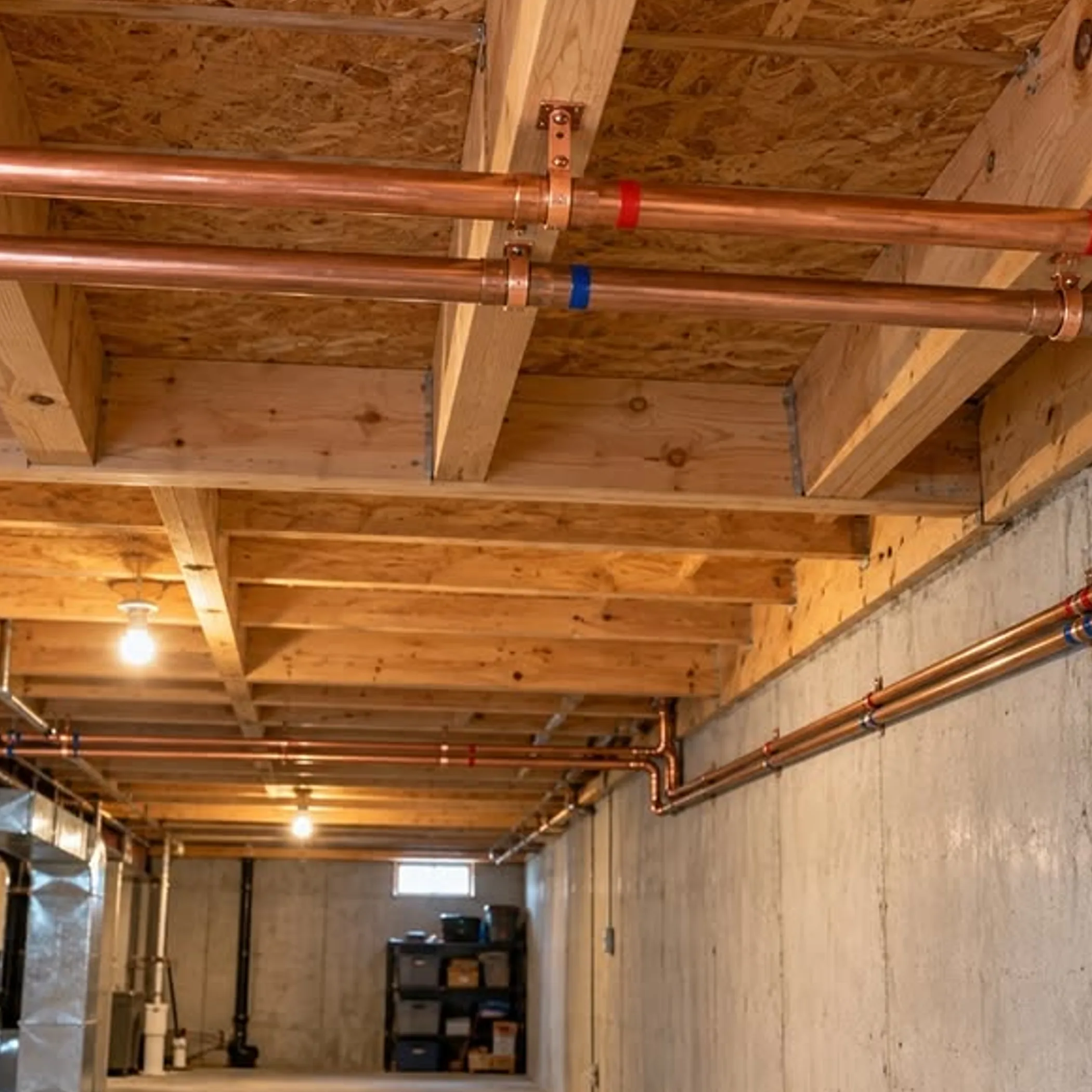
While there is a national framework governing hot water systems, the authorities in each state and territory have a part to play in their installation and enforcement. You will find your reference in the Plumbing Code of Australia and AS/NZS 3500.4 on heated water services and the like. For practical advice, see the hot water system safety guide.
The Australian Building Codes Board, product certification and water authorities are among those who back these rules up. Put simply, the system has to be put in, commissioned and looked after by the right kind of licensed tradesman.
Local Enforcement And National Rules
Part of the National Construction Code, the Plumbing Code of Australia dictates performance in areas of safety, materials and temperature control for all plumbing and drainage work. Then there is AS/NZS 3500.4 for technical matters regarding pipework and valves.
But it is the state and territory regulations that see to the administration of such requirements. They may have additional stipulations when it comes to licensing, inspections, gas and electrical work, or water efficiency. What is acceptable for a private residence will not do for a hospital, aged-care home or childcare service.
If one wants to get up to speed with national building information, the Australian Building Codes Board is where to start. After that a plumber with the proper credentials can advise on the proposed system and the rules for the property.
Sixty Degrees For Storage
There is no pulling a number like 60°C out of a hat for the storage temperature. It is done to minimise the chance of Legionella bacteria getting a foothold in the tank, especially if the water is left to go warm and still.
Of course 60°C is also a hazard and will scald you. So two controls are called for: the tank must be sufficiently hot for hygiene but the water has to be tamed before it gets to the bath or shower.
Legionella
In the right conditions Legionella will grow in a warm water system. This is of more concern in healthcare or aged-care premises, larger buildings and anywhere water use is sporadic.
You can mitigate the risk by keeping the water at the requisite temperature and ensuring the system is properly designed and maintained. But set the tank too low and you have a hygiene problem; set it high without control and you invite burns. There is no clever way around it.
Some will turn down the thermostat to put less strain on the energy bill and think nothing of it. Yet that can compromise the safety of the design. Leave it to someone who knows how to balance scald prevention and hygiene.
Tap Temperatures
For a residential shower, basin or bath where there is direct contact, 50°C is the figure most often cited as the maximum for delivery.
It is the distinction between 50°C at the outlet and 60°C in the tank that is of note. A temperature control device will see to the reduction. In a home with the elderly, small children or those with limited mobility this is of particular import.
Preventing Burns
By delivery temperature we mean what actually leaves the fixture, not the reading on the tank. Without a tempering valve, or with one in the wrong place or out of adjustment, a system with the correct setting can put out water that is dangerous. It does not take long for a scald to occur. An adult might find the water from a tap to be no more than “very hot”, but that is enough to do serious damage; children are apt to be too slow in getting out of the way, and with age one’s skin thins and reactions are not as quick. Do not put your trust in the old household habit of testing with a wrist or fingertip, human skin is no substitute for a certified instrument. Use a thermometer.
There can be different rules for hot water outlets that are not for personal hygiene. The applicable regulations may allow you to treat a utility outlet, laundry trough or kitchen sink in a different manner, yet they are no less capable of causing harm. It is sensible to have burn prevention measures in place in any home with children about.
When Tempering Valves Are Required
The function of a tempering valve is to blend the hot and cold so as to control the temperature at the outlet. In a modern hot water installation it is an essential component since the storage tank can run at a higher temperature without that being passed on to a basin or shower.
Whether you need a tempering valve will be a matter of the system, the fixture and the property, as well as state or territory rules. In some warm water systems or buildings of a higher risk profile a thermostatic mixing valve may be called for in lieu of or along with a standard one.
Tempering Valve Versus Mixing Valve
Residential hot water systems will often have a tempering valve to lower the delivery temperature. For a thermostatic mixing valve one has more exacting control over the temperature; this is what you would want in aged-care, disability accommodation, healthcare or other places where the people using the fixtures are vulnerable.
Selection of the right device has to be based on intended use, pressure, flow rate and temperature. And it should be put in a spot that is amenable to service and inspection, not concealed behind a wall or under a stack of boxes for convenience. A safety control is of little use if it is buried.
Once the plumber has made the installation he ought to be checking the temperature at the outlets. Should the shower get a lot hotter when you open another tap, or the temperature is prone to sharp fluctuations, there is a problem with the system that calls for an inspection. Be it debris, worn parts, a pressure change or poor workmanship, performance can be compromised.
Installation And Compliance Essentials
Regulations for a hot water system are not satisfied by joining two pipes and leaving it at that. The system has to be right for the building in terms of its location, ventilation, water pressure, energy source and the demands of the household. Having a licensed installer also puts the owner’s insurance in order and sees to it that the necessary approvals and certificates are in place. Since gas, electrical and plumbing work can fall under separate licences, it is not lawful for one trade to do all of it.
What A Compliant Job Includes
You can expect the installer to look at everything from the pipework and supports to the type of system, valves and drainage, and make sure there is access for maintenance. The product must be fit for Australian conditions and have WaterMark certification where it is required.
An electrician with the proper licence will have done the electrical work on an electric system; a gas system requires the correct connections and ventilation for combustion air and gas. Storage systems call for a pressure relief valve to be put in correctly and adequate pressure control. There may be extra commissioning checks and clearances needed for solar or heat-pump set-ups.
If a relief valve is dripping, do not cap it or take it out. That could be down to expansion, a fault or a valve that is worn. Have a licensed plumber look into it and make sure the discharge of water is dealt with in a safe way.
Installation Questions To Ask
- Is the person doing the work licensed for the plumbing, gas or electrical?
- Will the product stand up to the property and meet WaterMark standards?
- Where is the temperature control to be found and in what way is it to be tested?
- How is the pressure relief valve going to discharge?
- And what documentation for compliance, warranty and maintenance is to be handed over?
A good handover will cover the maintenance schedule, how the system is to be operated, the controls and isolation points. Put the paperwork somewhere safe. You will be glad of it when the time comes to sell or renovate the property or have an inspection, instead of sifting through a heap of old emails.
State And Territory Differences
While Australia is covered by national principles, the regulators in each state and territory go about licensing, enforcement and inspections in their own way. So while online information from elsewhere in the country makes for useful background, it is not the last word on what pertains to your property. The administration, terminology and building requirements of the hot water safety regulations in Victoria, NSW, Queensland and WA can vary. Check with local authorities before you go about replacing or moving a system.
Local Checks Before Work
Work to be done in Victoria should be put in the hands of a licensed plumber and requirements ascertained from the Building and Plumbing Commission. New South Wales residents will want to look to their local water authority and the plumbing regulator for what is required. As for Queensland, a licensed plumber and the Government’s guidance will make plain any obligations around licensing, certification and installation.
Western Australia has its own rules for gas and plumbing; on top of that, one may encounter practical matters with regional properties like hard or bore water, long supply runs or a dearth of servicing. The approach is no different in the Northern Territory, Australian Capital Territory, Tasmania and South Australia: get current counsel from a licensed professional and the appropriate local authority.
There are controls to be had for multi-residential buildings, hotels, rental stock and other facilities with vulnerable patrons. Where disability services are in question the NDIS Quality and Safeguards Commission could come into play, but it is not a substitute for state plumbing law or an installation done properly.
| Situation | What To Check | Who Usually Helps |
|---|---|---|
| Private home replacement | Tank size, access, valves, delivery temperature and certification | A licensed plumber and the odd specialist trade |
| Gas hot water system | Clearances, flueing, ventilation and connections | Licensed gas fitter and plumber |
| Rental property | State tenancy duties, certificates, maintenance and safety | The owner, his property manager and a tradesperson |
| Aged care/disability | Monitoring and exact control of temperature and maintenance | Facility management and a qualified plumber |
| Apartment or shared system | Building approvals, who is responsible for repairs, circulation and access | The owners corporation, building manager and plumber |
Risks And Maintenance
One does not have to be a detective to see where most hot water issues lie. It is typically a matter of pressure, corrosion, blocked filters, old valves or something poorly installed and left to go until it is clattering like a billy on a campfire.
Then there is the question of maintenance, which is for performance and safety. Do not wait for a leaky system to turn into a flood or a scalding hazard; if it is cycling without end, heating up at a snail’s pace or giving off rusty water, it requires some attention.
Common Pitfalls
Some think a new water heater is tantamount to a safe system. The tank might be new enough but the tempering or relief valve and pipework are not. Or they will see a neighbour with what appears to be the same set up and assume the requirements are the same, without regard for the type of fixture, pipe length, building use or water pressure.
Storage capacity is also overlooked. A 250-litre unit will do for a small household that is sensible about its use, but then there is the recovery rate, incoming water temperature, how many people are in the house and whether they run the dishwasher or take a bath. None of that is fixed by a bigger tank if the temperature control is wanting or a valve is on the blink.
Household Checklist
- Make sure the water at the basin and shower is not too hot.
- See if there are any leaks or a steady drip from the pressure relief outlet.
- Do not obstruct the system; leave room for an emergency or to inspect it and ensure it is ventilated.
- Valves, vents, flues and the like are not to be tampered with or taken out.
- If running costs are uncharacteristically high or the system is making noise and proving unreliable, have a professional service it.
- And keep a record of the model, serial number, when it was put in and its history.
One has to be careful with gas appliances. The presence of a gas odour, any sign of flueing that is damaged or combustion acting in an odd way means the system should not be put to use. Get out of the area and get in touch with a licensed gas fitter after heeding the proper emergency procedures. And do not assume an appliance is safe for want of a smell; carbon monoxide gives off none.
Frequently Asked Questions
I would put it down to a homeowner with a torch and an old invoice in hand looking at his hot water system to come up with these. The answers are short and to the point but if the installation is anything out of the ordinary a professional will have to assess it.
What Are The Australian Standards?
The Plumbing Code of Australia and AS/NZS 3500.4 form the bulk of the framework, as do product certification and the laws and licensing of the various states and territories and their water authorities. What one is obliged to do is a matter of the location and the building in question. A licensed plumber will be able to verify what is called for prior to starting work.
Queensland Installation Rules?
By way of Queensland you must adhere to national plumbing requirements as well as the state’s rules on building, licensing and certification. A licensed plumber is required for plumbing and an appropriately licensed gas fitter for gas work. It is best to consult the installer’s compliance papers and the Queensland Government for particulars on the property.
Australia’s Water Safety Rules?
For the most part you will find stored water is kept at 60°C or more as a check on Legionella bacteria and that which goes to your hygiene fixtures is no more than 50°C to guard against scalding. That is not an invitation to tamper with the thermostat though. Proper commissioning and a temperature control device are necessary.
Will a 250-litre system suffice?
In a small household perhaps. But there is more to capacity than a rule of thumb on litres per person; a plumber can put a better number on the demand when he has factored in occupancy, the climate, recovery rate and shower habits to say nothing of whether baths are used. Then again, going too big will only add to the cost of purchase and heating without being any better for it.
Do it yourself?
Not as a rule. You need a licensed trade for the plumbing, electrical and gas side of things and some systems call for certificates or an inspection. There are all manner of risks with DIY from insurance to pressure and fire. Have the hot water system installed by a licensed operator and put the compliance records away.
Safer Hot Water Starts Here
The thinking behind the safety standards for hot water in Australia is straightforward: store it at a heat that will deal with the risk of Legionella and regulate the temperature on delivery. While 60°C in storage and 50°C at the tap are handy figures to know, local rules and the system itself are determinative.
When it comes time for a new system, see to it that you are in line with state or territory regulations and have the tempering or thermostatic mixing valve tested. Rely on licensed trades and compliant equipment. You might as well have a hot water system safety guide on file with your other records; it takes little effort and spares you a very hot surprise.
