This is a no-nonsense way to have your skin protected, calm and hydrated come what may. Being in Australia means in the space of a few weeks you can put up with the dry air of winter, spring’s pollen, the humidity of the wet season, UV rays, bushfire smoke and a mozzie or two.
I am Tristan Farrow and my time in Western Australia has taught me that the best laid skincare plans are no match for reality. Put in a hot day on the Stuart Highway, or a long afternoon at a Margaret River cellar door, or even a wind off South Beach and your skin will be tight, flushed and more than a little cross. You do not need a bathroom shelf crammed like sardines to put right; what is required is an Australian routine that is as steady as it is responsive to the weather.
The impact of the seasons
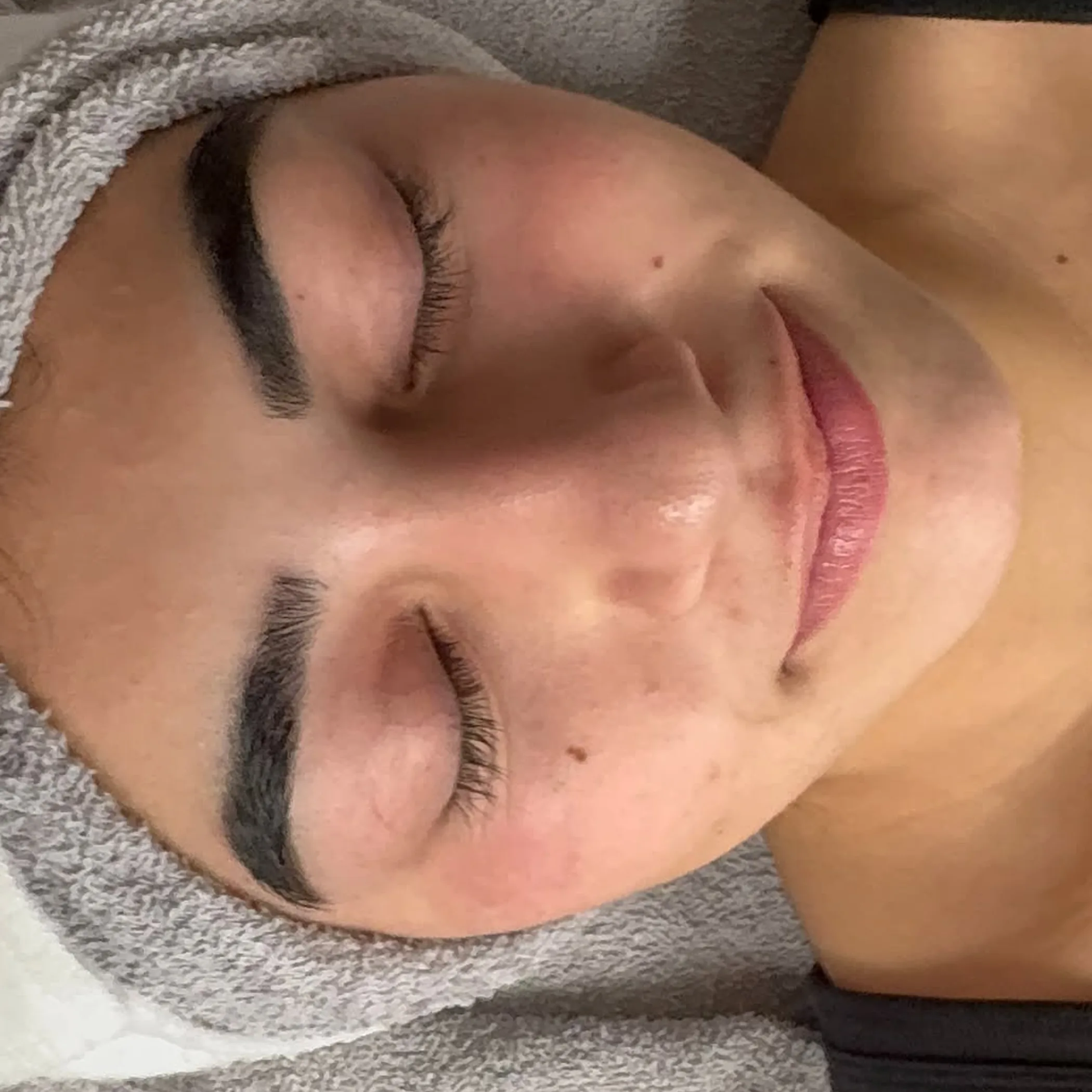
Water loss, oil and the skin barrier are all at the mercy of these changes. A bit of cold wind makes for rough cheeks; then there is the redness and congestion from sweat and UV.
There are regional divides in this country. The Top End will have its wet and dry spells, the Red Centre is unforgivingly dry, and one can find cold mornings giving way to strong UV in the southern cities. But none of that matters to your skin when the wind is rough as guts, calendar be damned.
How climate dictates skin behaviour
In winter the cooler temperatures, indoor heating and too-hot showers strip water and oils from the surface. Come spring the eyes, nose and mouth are prime targets for irritation from the wind and dust.
And summer with its salt, chlorine and humidity can take its toll on the skin barrier, especially if one is inclined to forgo moisturiser because of the stickiness and overdo the cleansing.
Make use of the UV Index
It is a better guide to sun protection than the temperature. Once the index is 3 or higher you should be in the shade with your sunglasses on and broad-spectrum sunscreen applied. The Australian Radiation Protection and Nuclear Safety Agency has the figures on its official service.
Do not be fooled by a cloudy day, I have been out on a coastal walk where the air was benign enough only to have my forehead tell me otherwise by dinner time.
Proper repair for the winter months
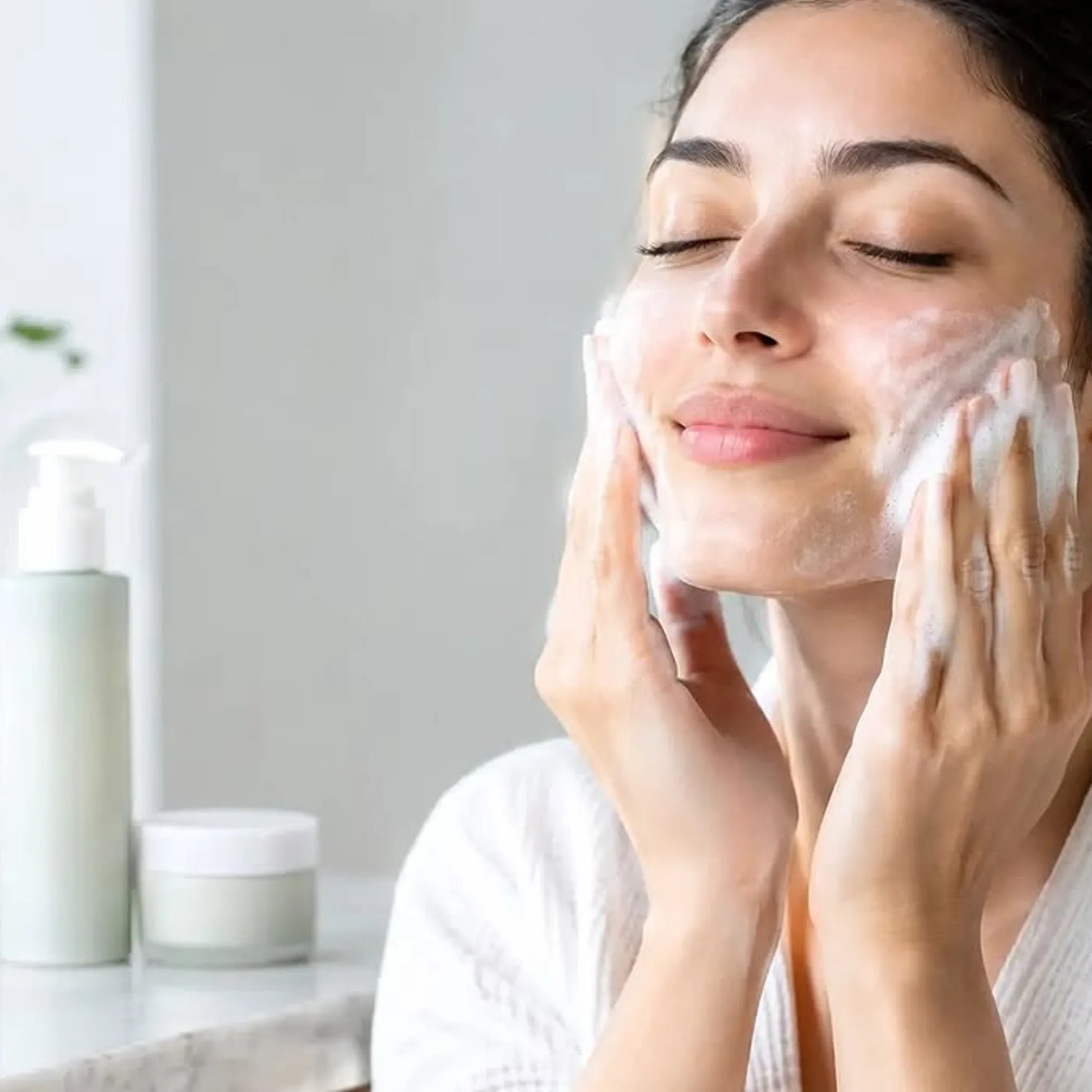
To mend the skin barrier one must first cut down on any unnecessary aggravation. A gentle cleanser and lukewarm water and a moisturiser that does not leave the skin squeaky are the order of the day.
Do not be tempted to exfoliate when you see flaking; often that is a sign of a barrier in need of lipids and time, not a scrub.
A good barrier routine
If you are of a dry or sensitive disposition, a simple rinse in the morning and a cleanse at night will do. Put on something hydrating while still a touch damp and seal it in with a rich moisturiser after dark or a lighter one in the day.
Glycerin and hyaluronic acid are fine choices, as is panthenol for comfort. Niacinamide can be good for uneven redness and the barrier but if your skin is reactive, go about it slowly.
An occlusive balm is worth putting on a very dry spot but keep it localised if blocked pores are an issue.
What not to do in winter
Repeated foaming cleansers, hot water, strong acids and fragranced scrubs will only compound the dryness. As will throwing a number of new products at your face and then wondering why it is turning into a tomato.
Should your skin become stinging or inflamed, put the retinoids and exfoliants on hold and reintroduce them in due course.
Dealing with spring
Those with rosacea, eczema or allergies will find spring trying. All the outdoor activity and pollen can bring on sensitivity and itching. It is best to act early, do away with irritants and make the routine simpler.
And to get the dust and pollen off, a change of pillowcase and a face rinse with lukewarm water is in order after you have been out in the garden. One should not rub at itchy eyes; the friction will only serve to make any redness and swelling worse.
For a little relief in an irritated spot, a cool compress is of short-term help. Make sure the cloth is clean and soft, and apply for a few minutes, ceasing if the cold becomes painful. Never put ice on the skin unmediated.
When you have symptoms, stick to products that are bland and without fragrance. Some may find prebiotics to their liking, yet no ingredient can be taken for granted as gentle. A patch test is a good idea, particularly with a history of contact dermatitis.
What Catches People Out
It is common to put the blame on a new moisturiser when in fact the culprit is a dusty pillow, some hair or laundry product or sunscreen. Jot down what has been in contact with your skin and the onset of symptoms. It is not as glamorous as making an educated guess but far more so in terms of utility.
Should you experience a rash that is spreading fast, difficulty in breathing or swelling of the lips and eyes, do not hesitate to get medical attention. Skincare is no replacement for it.
Recover From Summer Stress

Tips for putting summer skin back in order are about cooling and cleansing with care, restoring moisture and putting protection on any exposed skin. The face may look oily but the surface can be left tight by way of UV, heat, sweat, chlorine or salt water.
Rinse off after a hard swim or when you have been sweating and put on some moisturiser. In the humidity a lightweight one is more agreeable, though you might prefer a richer formula come night time or following sun exposure.
After Heat And Sweat
An evening with a mild cleanser will see to the removal of sunscreen, salt, pollution and the like. There is no need to wash over and over during the day unless you must; it tends to bring on dryness and irritation. If the skin is hot, take to the shade or go inside and put on a cool compress. Recently overheated skin is no place for strong exfoliants, retinoids or anything with a scent.
Drinking extra water is good for the body but will not put right a compromised skin barrier in an instant. Have your fluids and also use topical moisturiser and sensible UV protection.
After Sun Exposure
The first step in recovery is to get out of the sun. Cool things down gently and put on a plain gel or moisturiser. Do not tan the area on purpose, nor scrub or peel it.
Severe sunburn is not something to be treated with aloe or other cosmetics. Fever, dizziness, blistering, extensive pain, vomiting or dehydration are all indications to see a doctor. Where you can, keep babies and children from the direct sun, their skin does not take long to be damaged.
Adjust Cleansing And Exfoliation
Let the condition of the skin dictate your schedule for exfoliation and the like, not some beauty regimen. What is fine in a Perth winter will seem too much in the northern wet season. You want a skin barrier that is comfortable, not one that is polished to a fault. A feeling of tightness post-cleansing means the frequency or the product is not right.
Choose By Season
| Condition | Useful adjustment | What To Watch |
|---|---|---|
| Cold, dry weather | rich moisturiser, hydrating serum and a gentle cleanser | stinging, flaking, tightness |
| Warm, humid weather | careful with sunscreen removal, a light moisturiser | rubbing, congestion, sweat |
| High pollen or dust | a cool compress and nothing but a simple routine | eye irritation, itching and redness |
| After swimming | a fresh-water rinse, cleanse and moisturise | dryness from salt or chlorine |
| After sun exposure | put actives on hold, use a recovery gel and cool the skin | pain, blistering, redness that is getting worse |
Exfoliate Less, Not More
While it will clear away superfluous cells, exfoliation is not a necessity for the health of the skin. Put it aside until the skin is back to normal if there is dryness, irritation or you are recovering from the sun.
Later on you can try an exfoliating product once a week and see how it goes. Do not assume that more is better. The face is not a kitchen bench, for all that some labels would have you think.
Protect With SPF50 Daily
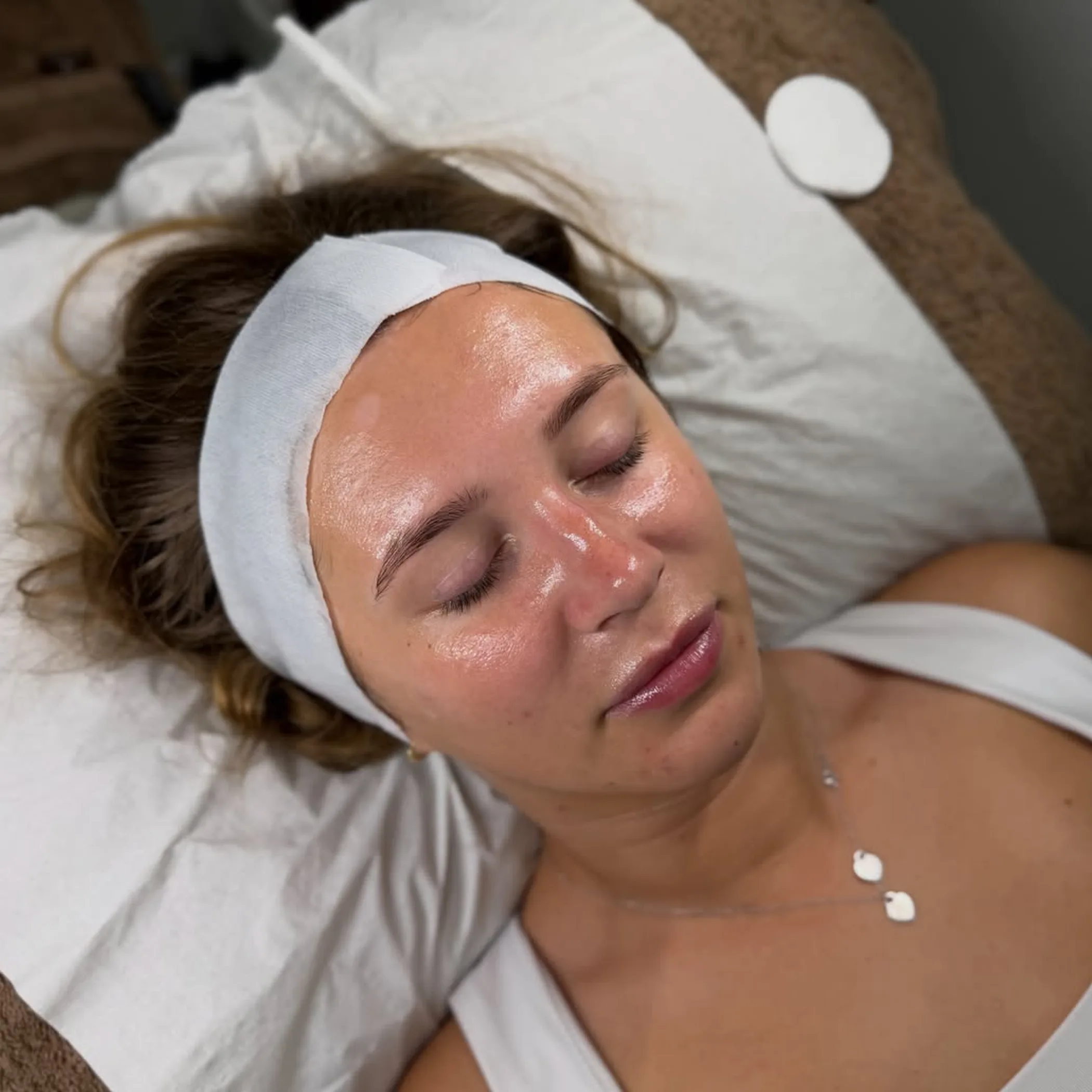
Year-round recovery calls for SPF50 skincare as a matter of course since UV can exacerbate pigmentation, inflammation and ageing. Broad-spectrum sunscreen belongs on exposed skin and should be reapplied per the directions, particularly after a towel dry or a swim.
Wear a hat and sunglasses and protective clothing. Sunscreen is not a licence to be in the full sun for the afternoon.
Add Antioxidant Support
Formulations with vitamin C or E, green tea and the like can be of support to skin under environmental duress. But the quality of the formulation and tolerance are of more import than an ingredient list that is in vogue. Be consistent with an antioxidant product but introduce them singly. Should it sting or redden the skin, discontinue and simplify.
Choose Calming Ingredients Carefully
When the skin barrier is at its weakest, less is more; one wants to see some consistency and not be put to the test with a host of variables. Panthenol, glycerin, niacinamide and centella asiatica are good inclusions, provided your skin can take them.
Then there is centella asiatica, a staple of any calming formula, yet being “natural” is no safeguard against irritation. Give fragrance or essential oils a wide berth as they, along with potent actives, can be problematic.
Match Ingredients To Symptoms
Glycerin, hyaluronic acid and a moisturiser to stem water loss will do for tightness. If you have some redness, a low-strength niacinamide or panthenol and centella asiatica are worth considering.
Where heat is a source of discomfort, support the barrier and cool down instead of embarking on an involved treatment plan. Some may find LED light therapy to their liking but it is no panacea for an unexplained rash, sunburn or infection. In case of a medical skin condition, get professional input and adhere to the device instructions.
Use Plant-Based Recovery Wisely
You will come across plant stem cell recovery in seasonal product lines as a way of marketing botanical extracts and the like. Do not be under the impression that the nomenclature means the product will mend human skin or that it is a substitute for your moisturiser, sunscreen or medical care.
Examine the ingredient list in full and let your skin’s reaction be the arbiter of a formula after a patch test. One has to accept that the most ostentatious jar does not always make it through an Australian summer.
Keep The Routine Practical
Four steps should be enough to put together a basic recovery routine: a gentle cleanse, hydration, moisturising and broad-spectrum sunscreen. An active product has its place when your skin is stable and you have cause for it.
For those making the Gibb River Road, the Stuart Highway or camping in the Pilbara, use containers that will not leak and leave them in a vehicle where they will not overheat. With dust about and clean water hard to come by, a straightforward routine is easier to stick to and the application will be all the better for it.
Know When To Seek Advice
A pharmacist, GP or dermatologist is in a position to tell if what you have is an allergy, eczema, rosacea, an infection or something else that calls for different treatment. They should assess any redness, pain, itching, scaling, cracking or bleeding that will not go away.
In the event of serious sun exposure with blistering, fever, vomiting or dehydration, do not wait to be seen. And put away the household remedies and do not pick at blisters. You will only turn a minor matter into a nuisance.
Who This Guide Suits
Ordinary dryness, the odd irritation, UV protection and heat stress are what this guide addresses for adults in search of sound seasonal advice. It is not a diagnosis and should not be relied upon for anything severe or infected.
If you need to reset for a day, a cool compress, shade and some simple moisturiser and sunscreen will suffice. Leave the exfoliation and new actives aside till your skin has had a chance to settle.
Frequently Asked Questions
We have put together some short answers to the 2026 skincare talk of the moment. There is little point in waffle when it comes to safe seasonal care so the responses are practical.
What Are The Skincare Trends For 2026?
The likes of prebiotics, skin cycling, a focus on the barrier and sensitive-skin support are being discussed, as is LED light therapy and daily UV protection. But trends are not an endorsement of efficacy; select products your skin can tolerate.
What Is The 4 2 4 Rule In Skincare?
It would have you spend four minutes on an oil-based cleanser, two on a water-based one and four rinsing. There is no law saying you must put in ten minutes and rubbing for that long can be aggravating for sensitive skin. A shorter, gentler approach is more sensible.
What Is The Best Australian Skincare For Mature Skin Over 60?
There is no one product for every person in that age group. A well thought out routine of a gentle cleanser, an SPF50 broad-spectrum and a moisturiser for dryness is usually the order of the day. Introduce actives with care. More consistent moisturising and fewer ingredients to cause offence is what mature or fragile skin appreciates.
What Is The Best Skin Care Routine For A 26-Year-Old?
Cleanse gently and apply your daily SPF50 and moisturiser. Unless there is a question of pigmentation or acne, do not feel compelled to add an antioxidant or treatment. Your skin is fine as it is so do not replicate the complexities of social media.
Can I Exfoliate After Sun Exposure?
Not while the skin is hot, tender, peeling or red. Rely on gentle cleansing and a moisturiser, and if symptoms are pronounced, professional counsel. Wait until it has completely settled before you think of exfoliating again.
Make Recovery A Habit
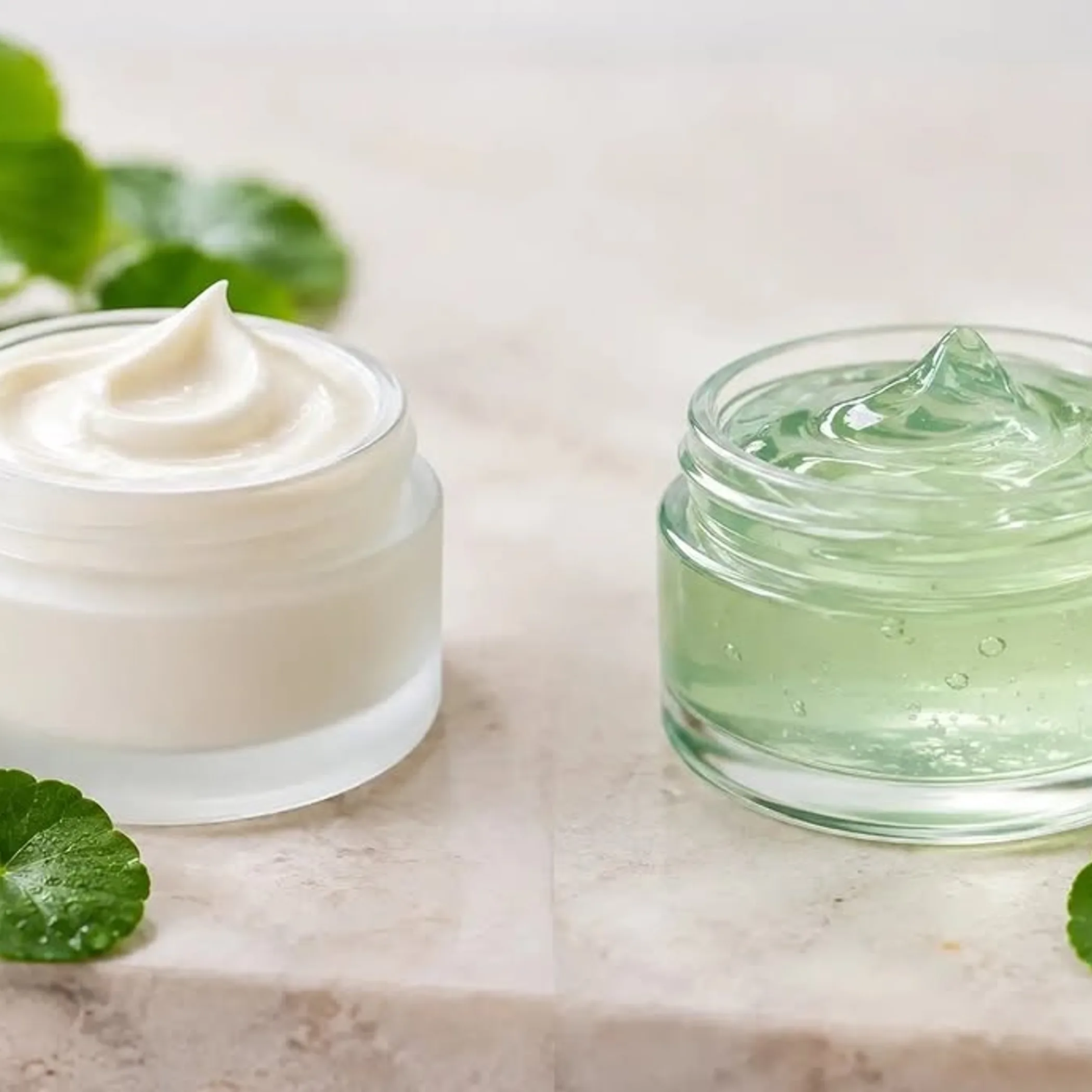
Australia’s best tips for seasonal recovery are uncomplicated: protect from the UV, be consistent with your moisturiser and adapt to the weather, be it winter dryness or the heat of summer.
I operate by a simple rule: a burning product is to be put down, tight skin needs to be moisturised and when the UV Index hits 3 you put some protection on. It is not going to turn the bathroom into a laboratory but your skin will be none the worse for wear come any season in Australia.
See also: plant stem cell recovery.
