Ultraviolet radiation is the primary driver behind the effects of the Australian climate on skin aging, in particular UVA from repeated exposure. Add to that the heat, wind, humidity, air conditioning and the dryness of the inland and you have a recipe for accelerated photoaging, dehydration and a decline in elasticity, fine lines and pigmentation.
I am Tristan Farrow. Since making my home in Western Australia I have come to appreciate that the climate here can be hard on the skin without being overbearing. You might put in some hours of UV with a long lunch in Fremantle, a drive out to the Pilbara or a stroll by South Beach. One is not so much apt to get a dramatic sunburn as to find the toll of unremarkable days where the hat was left in the car and sunscreen in the bathroom.
How The Climate Alters Your Skin
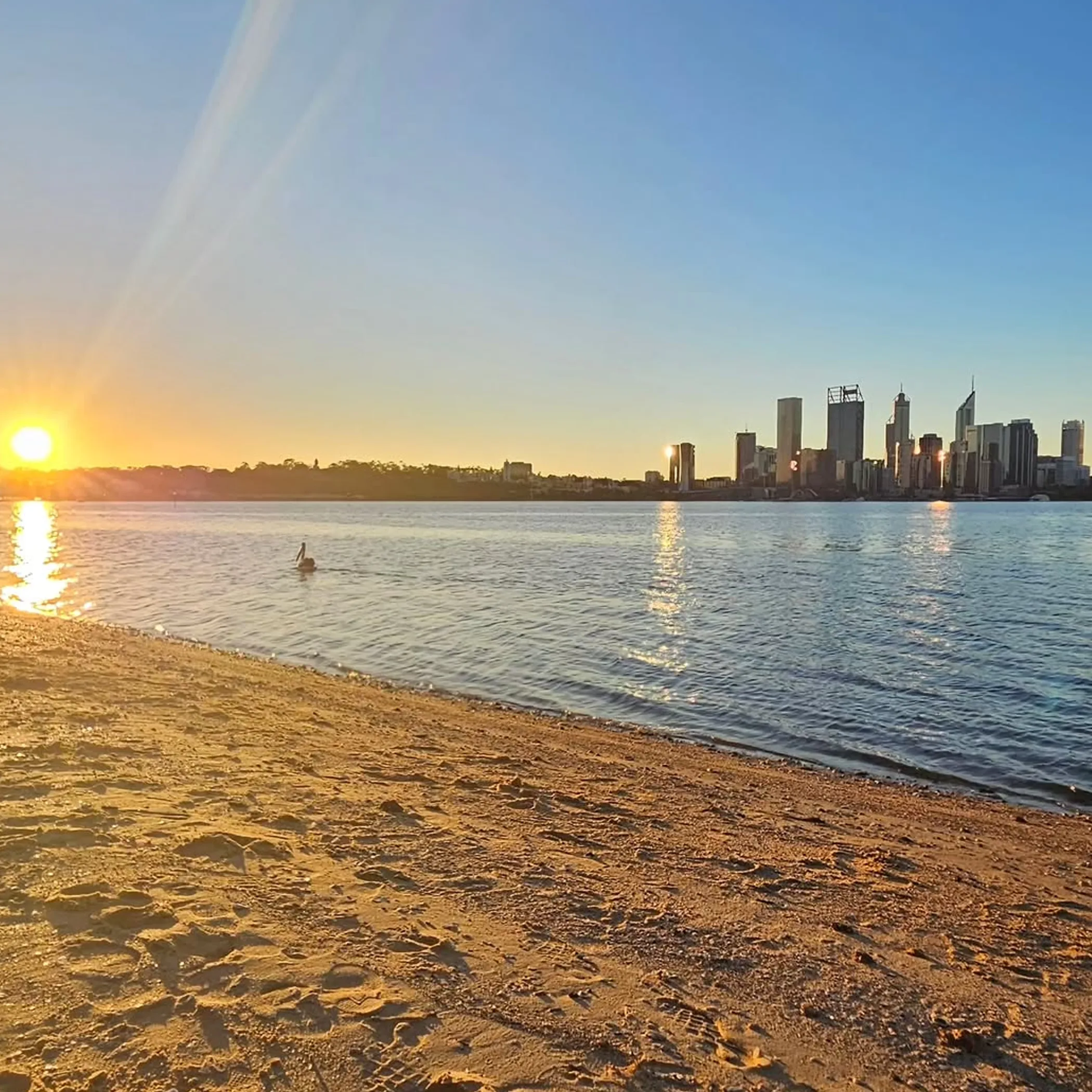
There are several pressures at work in Australia. UV will do its damage to collagen and elastin; heat and low humidity coupled with the wind will up the transepidermal water loss (TEWL).
And skin ageing is more than wrinkles. There is the matter of rough texture, redness, enlarged pores, uneven pigmentation and a less resilient barrier. These factors also help explain the anti-aging versus skin health differences. Then again, one has to factor in smoking, nutrition, hormones, sleep and genetics, so the climate is but part of the equation.
Relevant Climate Factors
| Condition | What to expect | A sensible course of action |
|---|---|---|
| Strong UV | Photoaging, collagen breakdown, pigmentation and a higher risk of skin cancer | Make use of sunglasses, protective clothing, shade and daily sun protection |
| Heat and perspiration | Sunscreen can break down and pores may become blocked and irritated | Put on some more sunscreen and wash off the sweat when done |
| Dry conditions of the interior | Discomfort to the barrier, flaking, tightness and elevated TEWL | Go with a good moisturiser and something gentle to cleanse |
| High humidity | Oiliness, friction, congestion and extra sweat | Opt for non-comedogenic products of a lighter weight |
| Air conditioning | Dries out the skin, in the area of the mouth and eyes most of all | Steer clear of scalding showers and keep up with your moisturiser |
One should not think that humid air equates to better skin. While it might check the loss of surface water, the pollution, heat and sweat are still there to cause irritation. Dry air is more trying, but with a routine in place healthy skin is possible in either case.
Uv And Photoaging
Australia tends to have very high UV levels and this is inextricably linked to skin aging. It is not just when one is at the beach; you will be exposed to UV while out shopping, in the garden, at sport or even in the commute.
The UV Index is a handy figure to have. As a rule of thumb if it is 3 or higher you should be putting on some protection. But the index is subject to the season, altitude, clouds and time of day, so a cool day can be deceptive.
Do not put stock in the temperature to gauge the UV. For the current reading and official sun-safety advice from Healthdirect on the prevention of skin cancer, their site is a good reference. A chill in the morning can yet give you a rude shock.
The Difference Between Uva And Uvb
UVA makes its way deeper into the skin and is a major factor in photoaging; over the years it will have an effect on the collagen and elastin and you will see it in the form of sagging, fine lines and wrinkles.
UVB is what is responsible for the direct DNA damage and sunburn. Both raise the risk of skin cancer. A broad spectrum sunscreen is the answer, provided it is put on in sufficient quantities and put back on.
It is easy to think that only an obvious burn is any consequence of the sun. In fact lower level exposure can alter the look and structure of the skin on the face, hands, neck and chest.
Collagen Damage
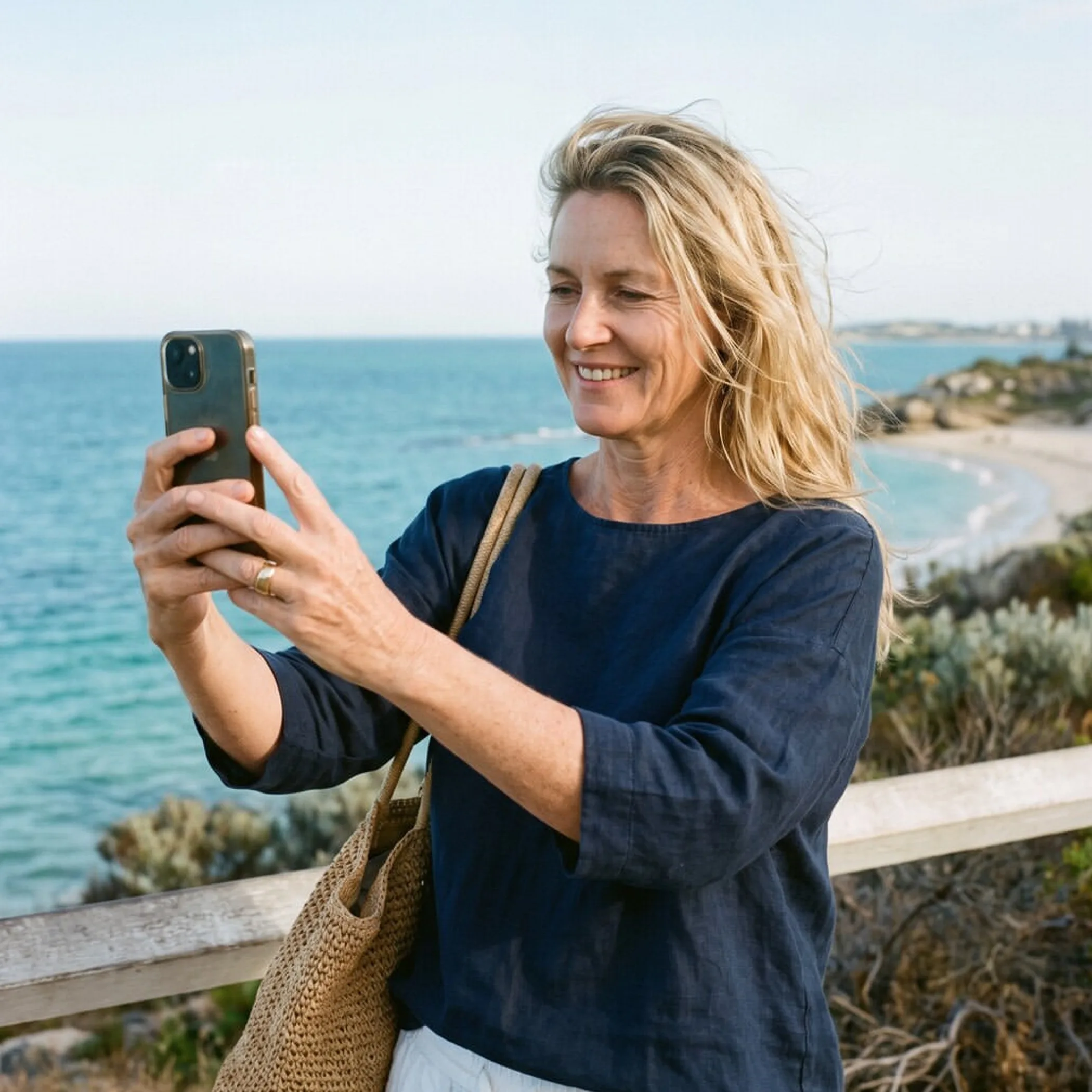
UV can get in the way of new collagen formation and set off the processes that will see these structural proteins broken down. Collagen is what lends firmness, elastin the ability to recoil.
When UV has had its way you may notice thinning of the skin, a lack of firmness and deeper wrinkles. Long term exposure can result in solar elastosis, an abnormality of the elastic tissue that leaves the texture thickened and leathery.
Quiet Accumulation
There is a misconception that unless you are tanning or sunburnt there is no harm done. Redness is of course a warning but the skin can take on UV injury without turning red. An arm out the window of the car or sitting at a table in the open are all ways to build up the exposure.
There is a difference between the heat and the sun’s angle, though in my first long days at Margaret River for the harvest I was more mindful of the former. A cap would do for my head but left the ears and neck to it; hardly a heroic oversight, just what one does when practicalities are put aside.
Those with greater melanin have an edge where UV damage is concerned, but pigmentation changes and skin cancer can befall any skin tone. Inflammation or time in the sun will bring on hyperpigmentation in darker skin that is slow to go away.
Heat Dryness And Air Conditioning
The heat makes you sweat and the skin loses water. Then there is the wind to strip surface moisture, and in the dry inland the flaking and tightness are all too apparent. Add to that the cool, arid interior of an air conditioned room and the discomfort is compounded.
One might think hydration and the skin barrier are the same thing but they are not. Hydration has to do with the water in the outer layers of the skin, the barrier is what keeps irritants from getting in and curbs water loss. Compromise the barrier and something that used to be fine will now sting.
TEWL In Australia
When the outer barrier is no longer able to contain water properly, TEWL goes up. Climate induced dryness is only made worse by hot showers, over-cleansing, strong fragrances, harsh scrubs or exfoliating too often.
You will get better results from a straightforward routine than from a shelf full of products. Be gentle with your cleanser, put on moisturiser on damp skin and if an area is flaking or cracking, use a richer cream or occlusive. A heavy balm is less agreeable in the humidity, so opt for a gel or light lotion.
In a car, hotel, office or on a plane you will be aware of the air conditioning and its effect on the skin. Have a plain moisturiser to hand but a facial mist is not a substitute for a proper routine; let the water from a spray evaporate and the skin will feel taut.
Sun Pigmentation And Texture
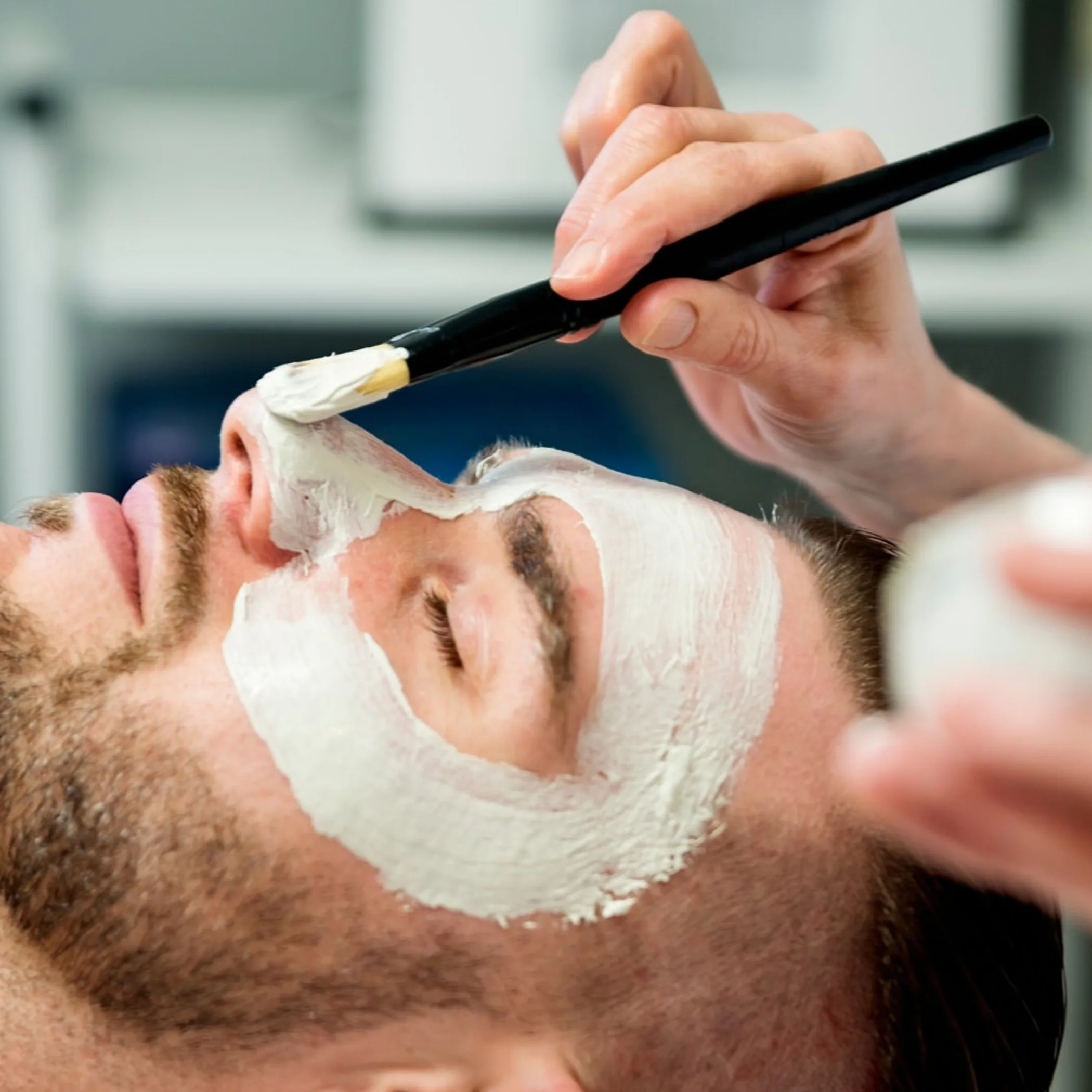
UV exposure prompts melanin to produce colour in the skin. Do it enough and you will have uneven production in the form of freckles, solar lentigines or what are known as sun spots.
Freckles will be darker in the bright months and recede when the UV is down, whereas solar lentigines have a way of lingering and multiplying on exposed parts. Should you see a mark that is new, bleeding or not healing, put in for a medical opinion instead of trying to cover it up.
Texture Changes
What presents itself as photoaging in this country is a mix of texture and pigmentation. Dehydrated skin will show fine lines and look dull, and rough to the touch. Given enough time the evenness and resilience of the skin will diminish.
But do not write off every brown spot as nothing more than sun damage. An ordinary scab or freckle could be skin cancer. Let a clinician make the call on anything that is changing in size, shape or colour.
On Skin Health And Anti-Ageing
Put it this way: anti-ageing is for the most part about what you can see, skin health is about protection and comfort and nipping problems in the bud.
There is no reason a good routine cannot address both. Retinoids for the odd line or texture, vitamin C for an uneven tone, but these can be irritating to some so take it one at a time and heed professional counsel. Sun protection is the bedrock of it all.
Health Before Hype
Ten actives are not called for. What is required is a cleanser you can stand, a good moisturiser and the patience to see a routine through. No cream will absolve you of having your skin checked, nor can “anti-ageing” undo the work of the UV.
The Mayo Clinic and Skin Cancer Foundation would tell you that is where the emphasis should be. Some product claims are more than the evidence warrants, so be sure you are getting broad-spectrum protection and a texture you will put to use.
Every Day Protection
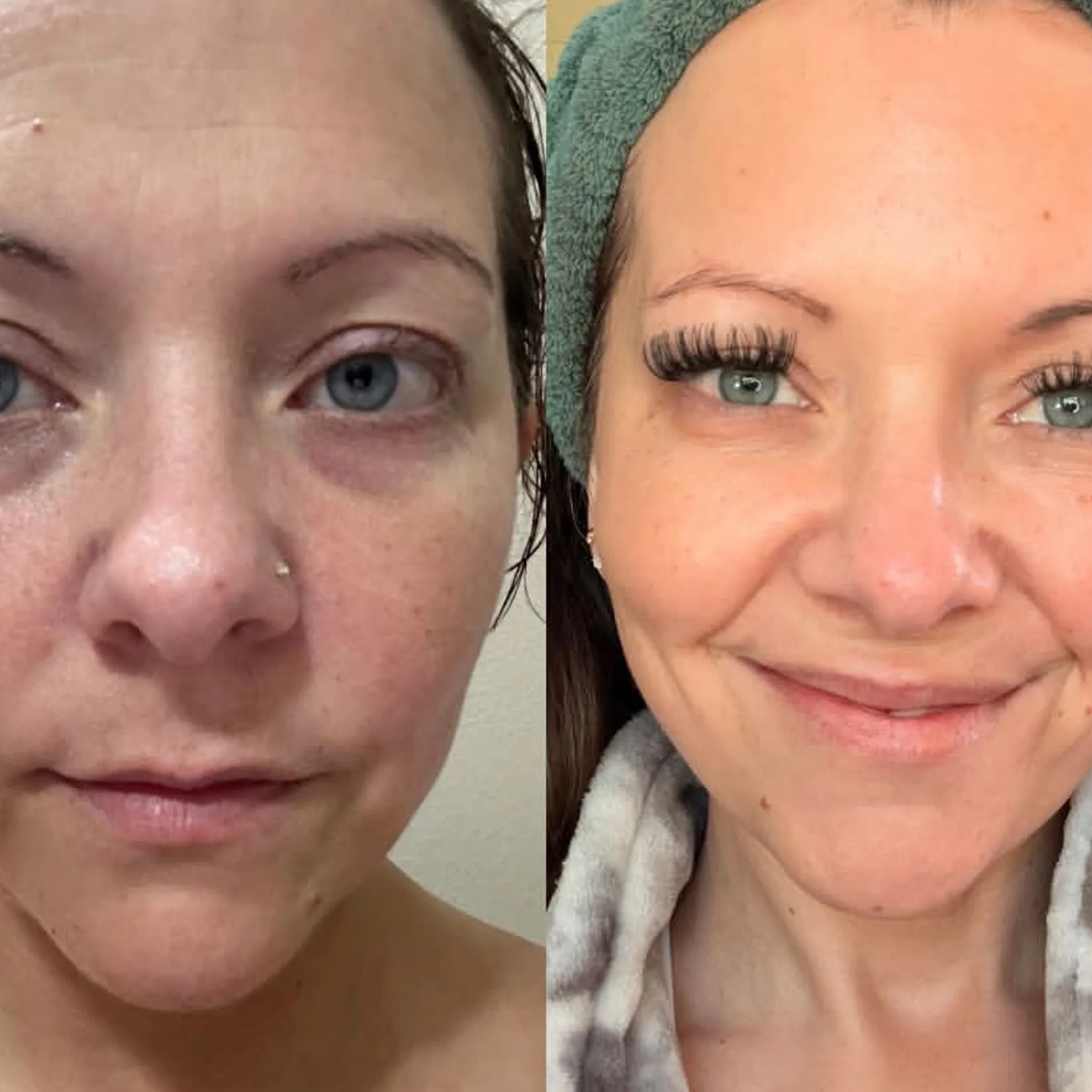
It is as much a concern in the cooler months as in the height of summer, in any state or territory. What you do will be dictated by the UV Index, how you are dressed and the length of time you are to be out.
Make plans before you set off whether for the beach, the Stuart Highway or the access tracks of the Gibb River Road. You may be in the shade but it is not stationary. And while you are behind the wheel squinting in your sunglasses, a hat in the glovebox is of no use to anyone.
Build A Practical Routine
- A good morning routine is to cleanse in a gentle manner where necessary and put on some moisturiser before covering any skin left out in the open with broad-spectrum sunscreen. Make use of sun-protective attire, a hat with a wide brim and sunglasses when you are outside.
- As the day goes on, put on more sunscreen as the product instructs; this is important after a swim or if one has been sweating and towel dried. In hot weather have water at hand and make for the shade when UV levels are high.
- In the evening it is time to get rid of the sunscreen and perspiration, no need to scrub, and moisturise. Be judicious with vitamin C, exfoliants and retinoids should the skin be dry or in an irritated state.
When out for the day, the essentials are a hat, water, some shade and a proper sunscreen, followed by a mild cleanse in the evening. Those unaccustomed to active skincare would be wise not to put on a retinoid the night before a lengthy bushwalk or a day at the beach. A hot car and irritable skin do not mix well on a road trip.
Expectation Versus Reality
The notion that overcast skies are an excuse to forgo sunscreen is an expectation; in reality the temperature is no guide to UV intensity which will still get to your skin.
One might think darker skin is immune to sun damage but melanin is only partial protection against the risk of skin cancer, photoaging and changes in pigmentation.
It is often thought a moisturiser will see to dehydration. It does its part, yet the barrier can be put under stress by too much cleansing, hot water, dry air and UV.
Access and transport come into play as well. Do not let the sunscreen bake on the dashboard of a car left in the sun, respect the storage limits. On a long drive side windows are not as protective against UV as the windscreen so cover the arms and plan for some shaded stops.
Some Questions
What Accounts For 90 Per Cent Of Skin Cancers?
UV radiation is the principal environmental cause of skin cancer that can be prevented, though the 90% statistic is not a given for all types of cancer or sources. The point stands: avoid UVA and UVB where you can and monitor any lesions.
Is The Skin Of Those In Humid Climes Better For It?
Not of itself. While humidity curbs water loss, there are other issues with sweat, heat and pollution. Genetics, age and health are what matters for healthy skin, not the humidity.
Which Organ Has The Most Bearing On The Skin?
The skin is an organ in its own right, subject to input from the rest of the body be it the liver, kidneys, gut or hormones. If something is amiss and it is not just the weather, a health professional should be consulted.
Is The Film Skin True To Life?
There are a number of films of that name and some are fictional, others based on events. But such questions have no bearing on Australian climate or skin health and are no evidence of how the sun ages the skin.
Will Sunscreen Undo Photoaging?
It will not put back wrinkles or collagen damage that is done, though it will stem further UV exposure. For certain concerns a clinician may recommend retinoids or other procedures.
A Habit Of Protection
In Australia the effects of the climate on the skin add up over time. There is the matter of UV as a long-term worry, and then the impact of heat and air conditioning on the barrier.
Check the UV index, put on the moisturiser and sunscreen, and do not shrug off marks that are changing. Not as alluring as some miracle serum perhaps, but more practical and it allows for a visit to the bakery on the way back.
