This is a straightforward way to ensure your system is up to the task when you have yellow dust, tree pollen or some sticky plant matter on the panel surface. For the most part pollen will bring about a slow decline in solar output, not an outright failure, though if it builds up it can make a nuisance of itself by blocking and scattering light and mingling with dirt to leave a hard film.
Tristan Farrow here. I am based in Fremantle so I know what roof dust, salt from the coast and the odd bird can do to a solar set up. The thing is, while pollen is seldom a cause for alarm, leaving your panels uncleaned for months will see you lose out on energy generation without much fanfare. As for when to get around to cleaning it, that is a matter of the muck that has made its way there, how easy the roof is to get at, the rain and what is growing in your area.
How Pollen Changes Panel Performance
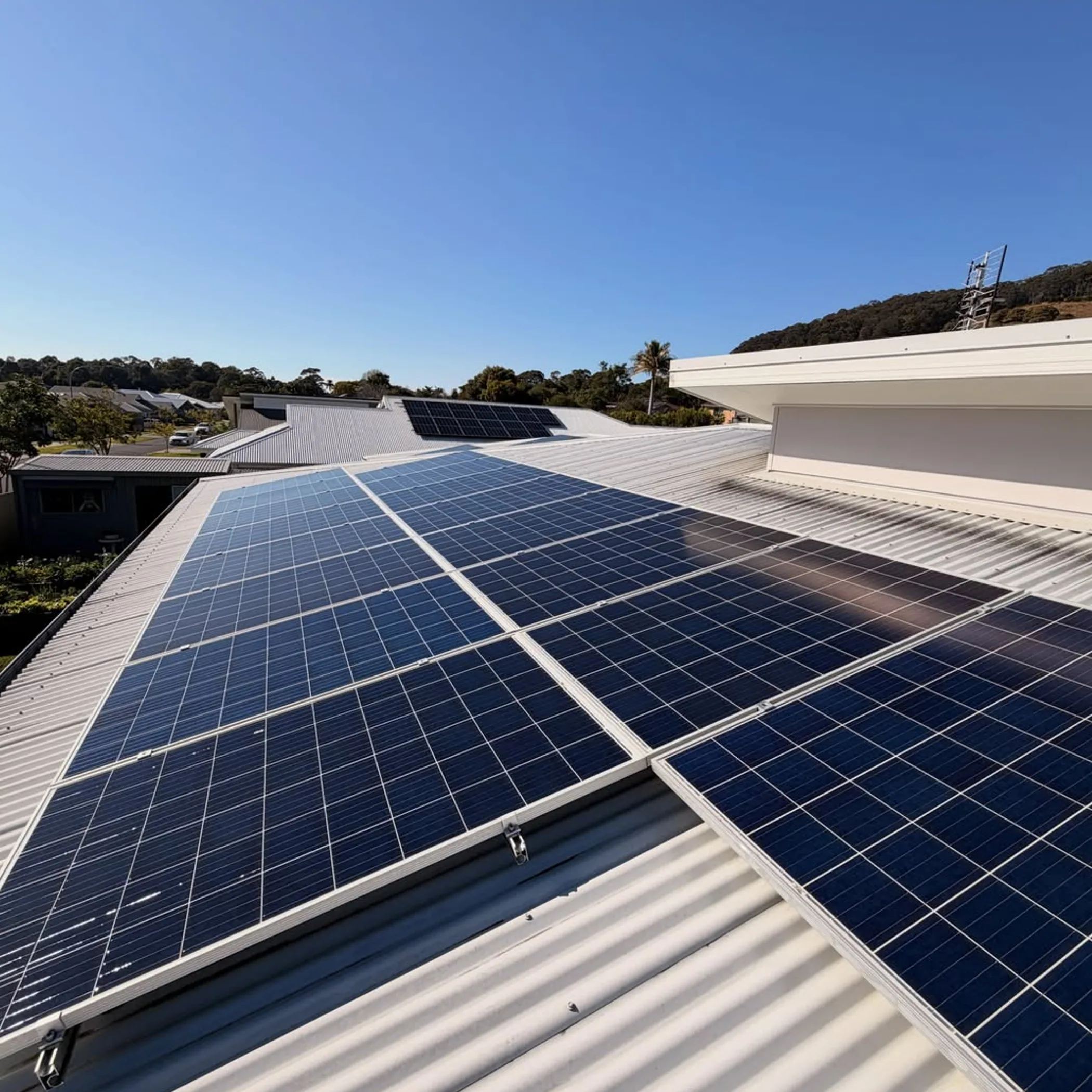
Pollen will make itself at home on the glass over the photovoltaic cells. In small quantities one might not even register the effect. But once the layer is thick or has had some moisture, it scatters and blocks sunlight, contributing to soiling losses from debris so less of it is of any use to the cells.
You will not find the same result on every roof. Rain will wash loose pollen off a steep incline but a shallow roof tends to keep a damp residue. The shape of the roof, any shade, the wind and trees in the vicinity are all factors. It is an annoyance that performance can be compromised before the panels actually look to be in a sorry state.
The NREL and others have done their research and point to soiling as a reason for poor photovoltaic performance. The degree of loss is down to local pollution, the angle of the panel, weather and the material involved. Do not expect to find a figure in percentage terms that is true for the whole of Australia.
What Pollen Does To Output
In three ways pollen will take something away from your efficiency: by covering the glass, by making other particles stick and by diffusing the light. After a bit of humidity or a passing shower a wet layer of pollen is more of a smear than dust.
It could mean a weaker peak during the day or a system that is slow to get going after the sun comes up. You will not learn anything by putting a cloudy day up against a sunny one; make the comparison under like conditions and with the same household demand, say before or after a good clean.
Then there is the rest of the debris. Bird droppings, leaves and dust can add to the problem posed by pollen. If you are in an area with a lot of pollen it is worth the effort to clean even if they only seem a little lacklustre from the ground.
Where Pollen Builds Up Most
You will find it in abundance near bush corridors, parks, farmland and flowering grasses and trees. State lines are irrelevant compared to local circumstances. A roof in Brisbane next to some gums may require tending to ahead of one in the same city that has paved streets and not as many mature plants.
On a dry, windy day pollen has no trouble travelling from vegetation some distance from the house to settle in the corners and under obstructions. Low pitched roofs with little rain to clear them will hold on to it.
Seasonal Patterns Across Australia
There is no single pollen season for the country. What stays in the air and what ends up on a roof is a function of the wind and rain as well as the species and where you are.
| Region | Common maintenance pattern | Practical timing |
|---|---|---|
| Brisbane and coastal Queensland | One minute you have warm, flowering vegetation and the next intense rain and humidity | A dry, windy spell calls for an inspection, as does a light rain that puts down a residue |
| Sydney and coastal New South Wales | Urban dust and bird droppings mix with the tree and grass pollen | Have a look at the panels in the flowering times and prior to the summer spike in electricity use |
| Victoria | Buildup is affected by the cooler climate and the long dry spells | Spring is a good time to inspect, as is after the dry weather has run its course |
| Perth and south-west Western Australia | Windblown dust and the salt of the coast will be found on the panel | Do an inspection in the wake of some wind and in the dry season |
| Darwin and the Top End | Dust and airborne stuff in the dry season, then the wets will do some rinsing | Inspect in the dry and once the first rains of the wet have come through |
Take these as general patterns for maintenance, not a forecast. For an authoritative view on seasonal conditions and local rainfall as one goes about planning an inspection, the Bureau of Meteorology has the official Australian climate data.
Output Losses: how they come about
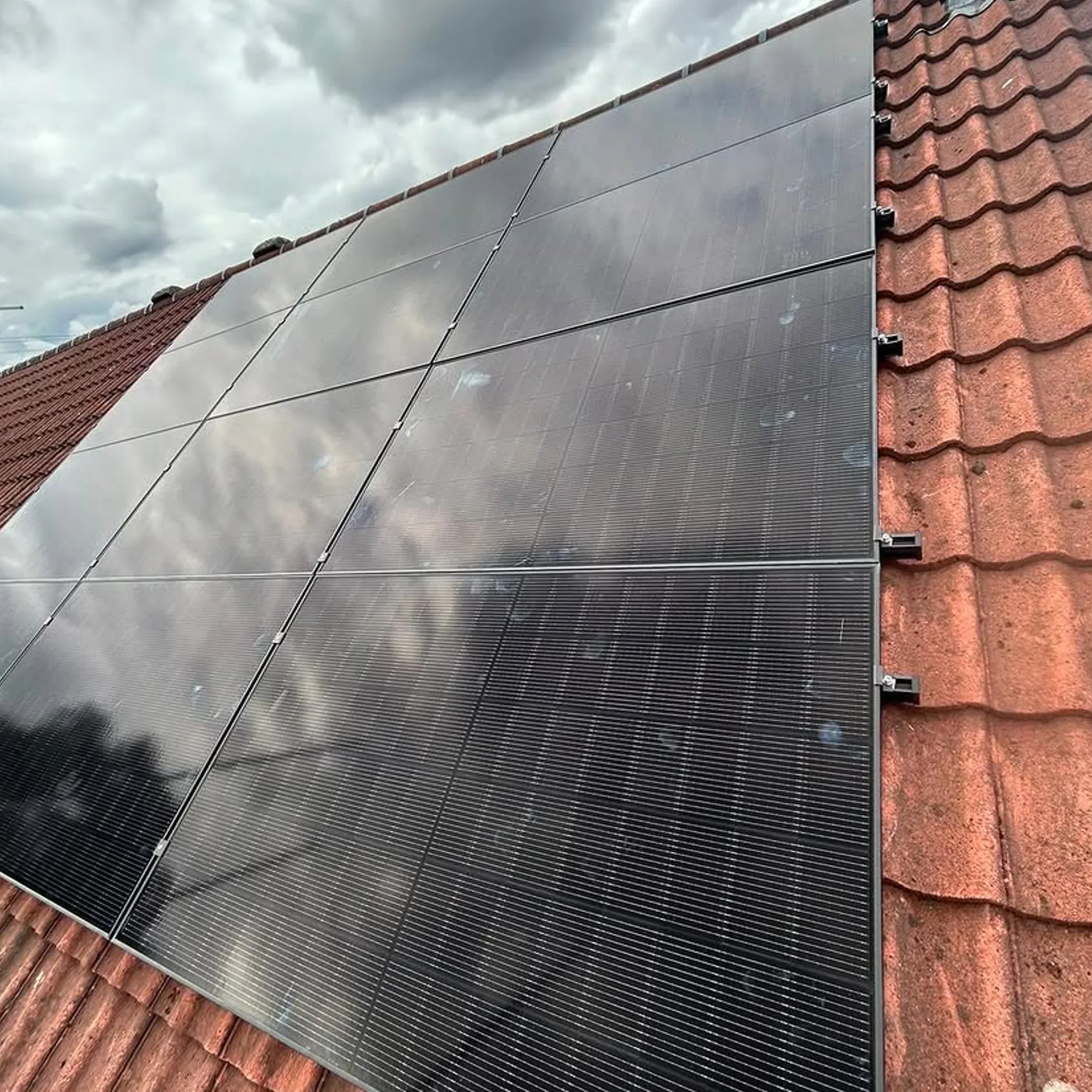
Pollen is seldom by itself. It can form a fine layer that holds dust and dirt, and with some dew or a light rain the whole thing becomes a film. One will find leaves have made their way to the bottom of a panel and bird droppings put in place a few small yet pronounced shaded spots.
This partial shading is of consequence given the electrical links between panels in a string or group. A dirty spot here and there will not necessarily diminish the array in equal measure but it will have an effect on the panel or string in question; what ensues is a matter of inverter, power optimisers and system design.
Reality and expectation
It is expected that a good rain will see to the cleaning of solar panels. In reality it might take care of any loose pollen but put in its place mineral marks, sticky residue or a muddy edge. Then there is the light rain which wets the material without doing much to wash it off, making for more of a cleaning imperative.
Some may think a bit of yellow dust is of no account. But left for weeks the pollen is more of a nuisance, drawing in other debris. And while cleaning is thought to be a sure way to put up output figures, the gains can be modest if cloud cover is poor or the pollen was not the principal cause of soiling.
Finder offers some consumer solar information that is handy for household comparisons of a general sort, but when it comes to determining if cleaning is called for, the inverter data and a proper inspection are what matters.
Spotting a dirty system
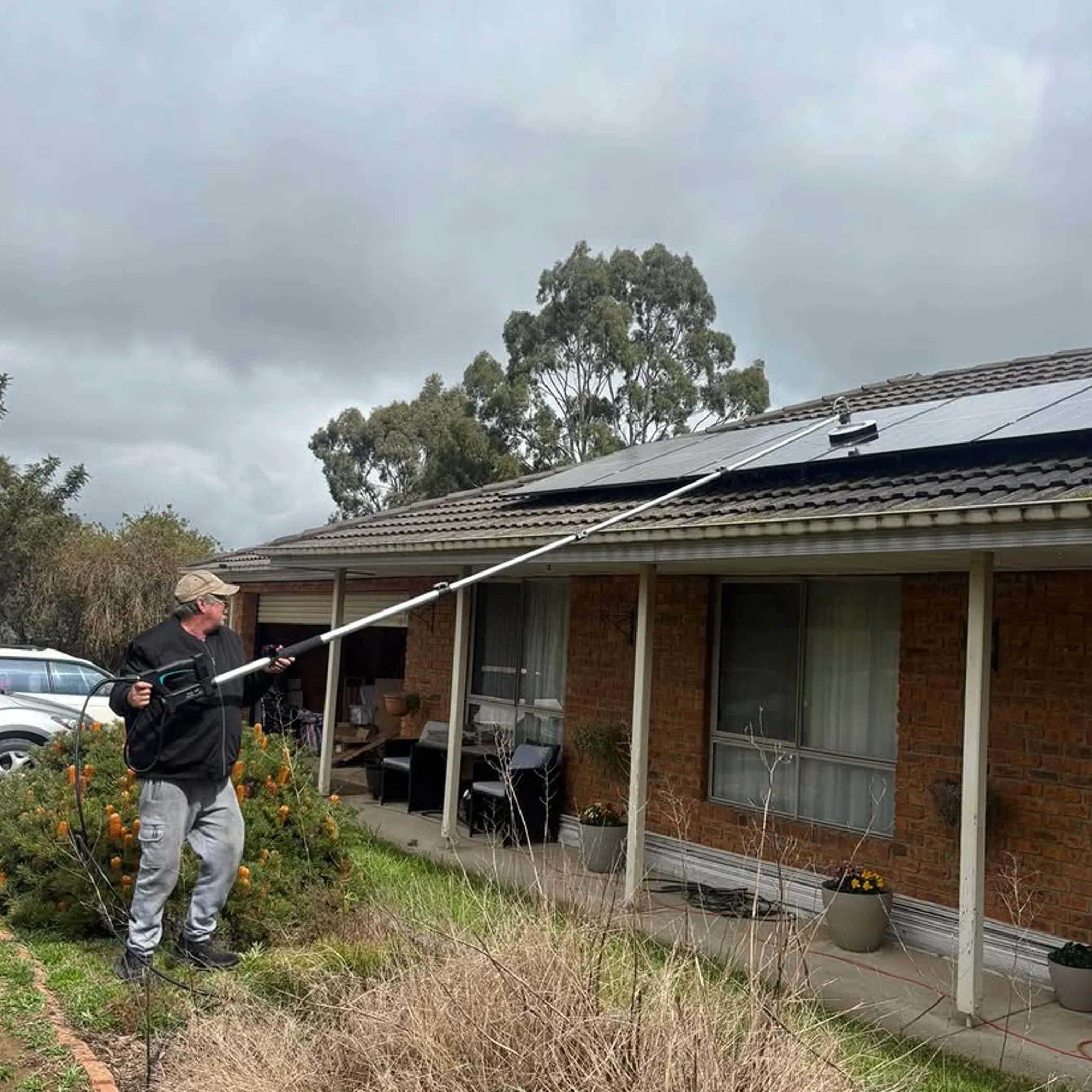
There is no need to guess at it, the performance data will tell. Daily production is displayed on most monitoring apps and inverters. Note any change that persists over a number of like sunny days, particularly where your system is not keeping pace with the sunlight evident in the neighbourhood or from past seasons.
One should not mistake lower export for lower generation. The home could be consuming more power, a battery charging in the day, or the retailer has put up its tariff. An inflated electricity bill is not in itself proof of pollen damage to the panels.
A checklist for a quick inspection
- Make your comparison over a few clear days, not just one weather event.
- See if there are streaks, a dullness to the film or yellow deposits on the edges of the panels.
- Be on the look out for new shade from vegetation, branches, bird droppings and leaves.
- Binoculars from the ground will do for an inspection; climbing on to the roof is not to be done on a whim.
- Put down whether the surface has been rinsed by any heavy rain.
- If the roof is steep, hard to get to or fragile, leave the cleaning to a professional.
I have often seen people clean the panels and then forget the tree next door that is putting material on them. It is a short term victory, the leaves will have the last word by Thursday.
Pollen season and when to clean
Do not be guided by the calendar, the extent of the buildup is what dictates the timing. For most an inspection to book end the main flowering period is a sensible course of action. After a stretch of dry weather or wind and rain that has put visible streaks on the glass, a check is in order.
Cool surfaces are best, say in the early morning or late afternoon; hot glass will dry water in a hurry and mark it. Steer clear of cleaning in an electrical storm, with strong winds or extreme heat and never on a wet, slippery roof.
One-day maintenance plan
If the day is limited to one, make a start in the morning with the inverter data and a ground level review. Should the panels be within safe and compliant reach, clean what you can. If not, put the day to use in photographing the condition and taking system readings before calling in a cleaner.
There is little call for a weekly regime in most households. Every few months for an inspection and then clean according to what is there is a reasonable approach. More than that is to be expected for homes near the coast or a busy road, or a farm, compared to those in a sheltered and rainy part of town.
Rooftop safety
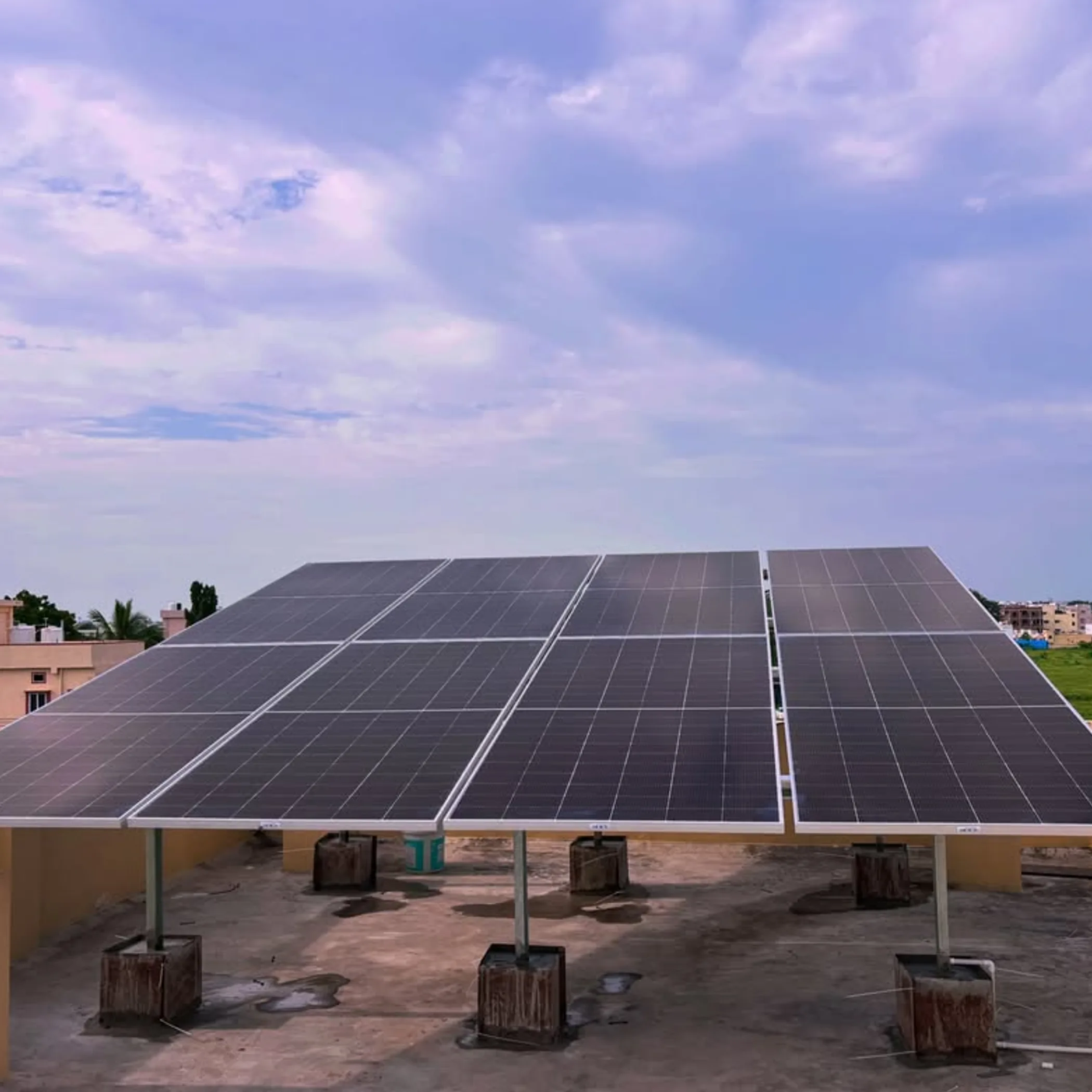
The first consideration is the roof. Even when they appear dry roofs can be treacherous and the panels are tied to live equipment. There are worse things than a loss of a few kilowatt-hours, such as a fall.
Panels that are easy to get at should be cleaned with nothing but clean water and a soft brush or sponge of the non-abrasive type, one that is fit for glass. One should not be tempted to scrape away pollen with a hard implement or put household chemicals to work unless the manufacturer of the panel has given leave to do so; the same goes for abrasive powder. Such methods can harm coatings and be a maintenance headache down the line.
The Case for Professional Cleaning
On steep roofs or where access is an issue, with multi-storey properties or in the face of heavy bird droppings and sticky residue, it is wiser to have a professional at it. Put to them some questions: do they know their way around a solar system, how do they go about roof access and will their approach leave the glass, frames and seals unscathed?
Have a firm price in hand before any work is done. The going rate will be influenced by travel, the state of soiling, how many panels there are and the height of the roof. Do not be taken in by claims of a guaranteed uplift in performance from a cleaning; a good cleaner will tell you he cannot put an exact figure on it without factoring in the weather and what has caused the loss in output.
Some Regional Advice on Maintenance
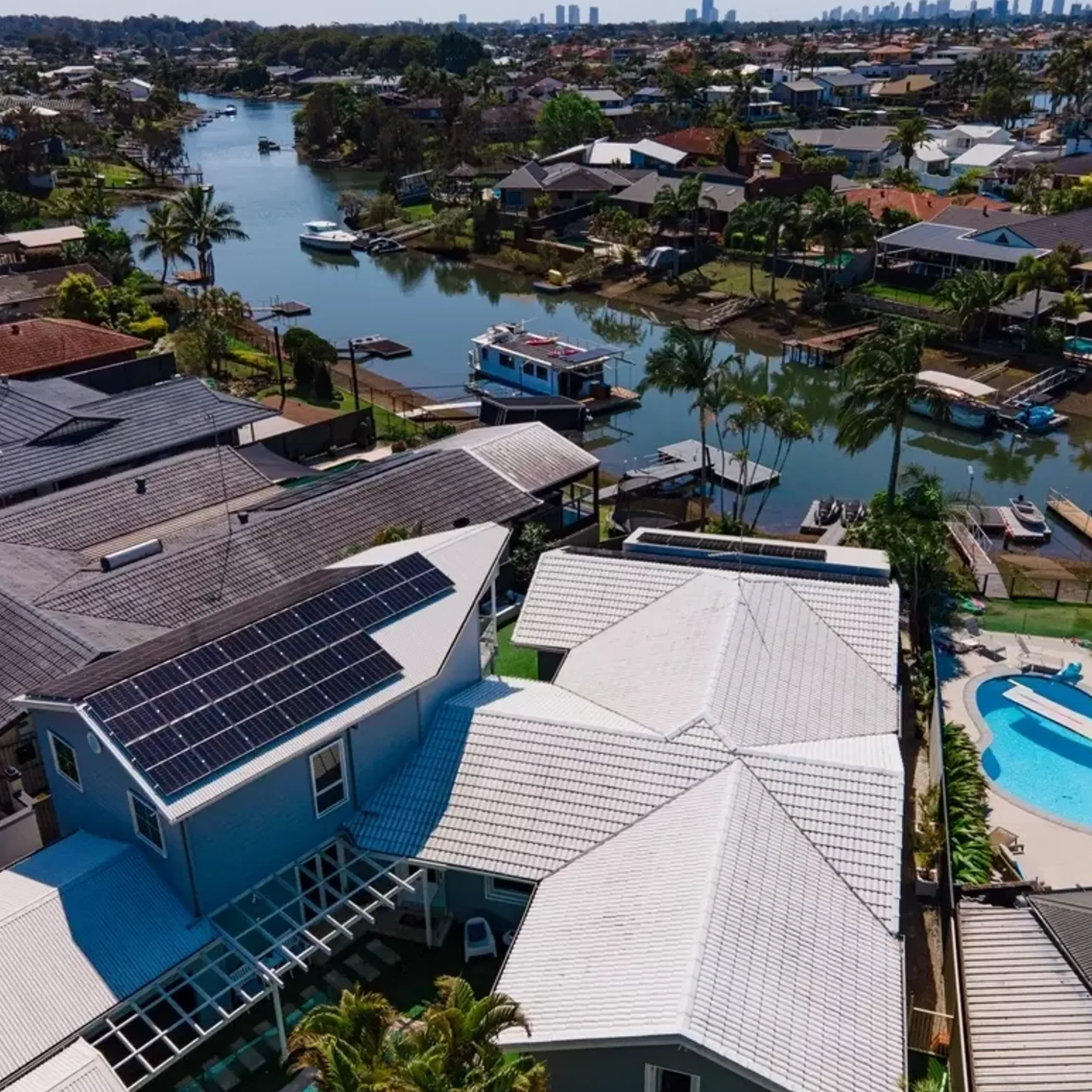
Perth presents its own challenges with coastal salt mixing in with the dry dust and pollen. In Brisbane the humidity and rain can make for streaks or cause residue to adhere to the panel. Victoria’s long dry periods and seasonal flowering will see a layer put down before the next decent rain.
Darwin is another matter altogether. The wet season might give a natural rinse but in the dry one you can have weeks of plant material and dust on the panels. Should a cyclone be in the forecast from November through to April, heed local emergency advice, make sure access areas are secure and keep any loose equipment off the roof.
Extra Precautions
If your property is close to an orchard, farm, park, bushland or well established street trees, you will want to be on top of any pollen accumulation. This is as true for homes with not much of an angle to their panels or little in the way of rainfall as for those with birds about. By the coast, salt is as much of a concern as pollen. Out in the bush, after a fire or when conditions are dry, ash, leaves and dust become more of an issue. Observe any restrictions in force during bushfire times and under no circumstances put yourself on a roof if the roads or tracks are not safe to use.
Pollen Queries
A household may wonder why energy generation has altered. There is no need for a whiteboard and detective hat over solar maintenance, the answers are plain enough.
Is there a 33% rule for solar panels?
Not in the sense of a pollen or cleaning rule. You will hear it in regard to network or installation limits for distributed solar and grid connection. It is a matter of technical rules, location and system type, not of pollen.
And the 20% rule?
Nor is this a blanket measure of output lost to pollen. It is used to mean all manner of things from export caps to sizing. Do not assume it is a national threshold for cleaning, check with your installer or distributor as to what is meant.
Why is my bill so high?
It could be a fault in the system, metering, battery charging, a change in tariff or simply putting on the heating or cooling. Pollen is one thing that dirty panels can bring to the table but look at your inverter and grid data before you call for a clean.
Do panels lose efficiency with heat?
They will, once the cell temperature is higher than the rating, the degree of which is set by the coefficient of the panel. A clear day in hot weather will see reduced output, do not put it all down to pollen.
Will rain do the job?
Clean, heavy rain will dislodge some of it but a light shower is apt to leave streaks. If the panels are still dull, monitor the output for a few days and if the problem persists have them safely cleaned.
Steady Your Solar Output
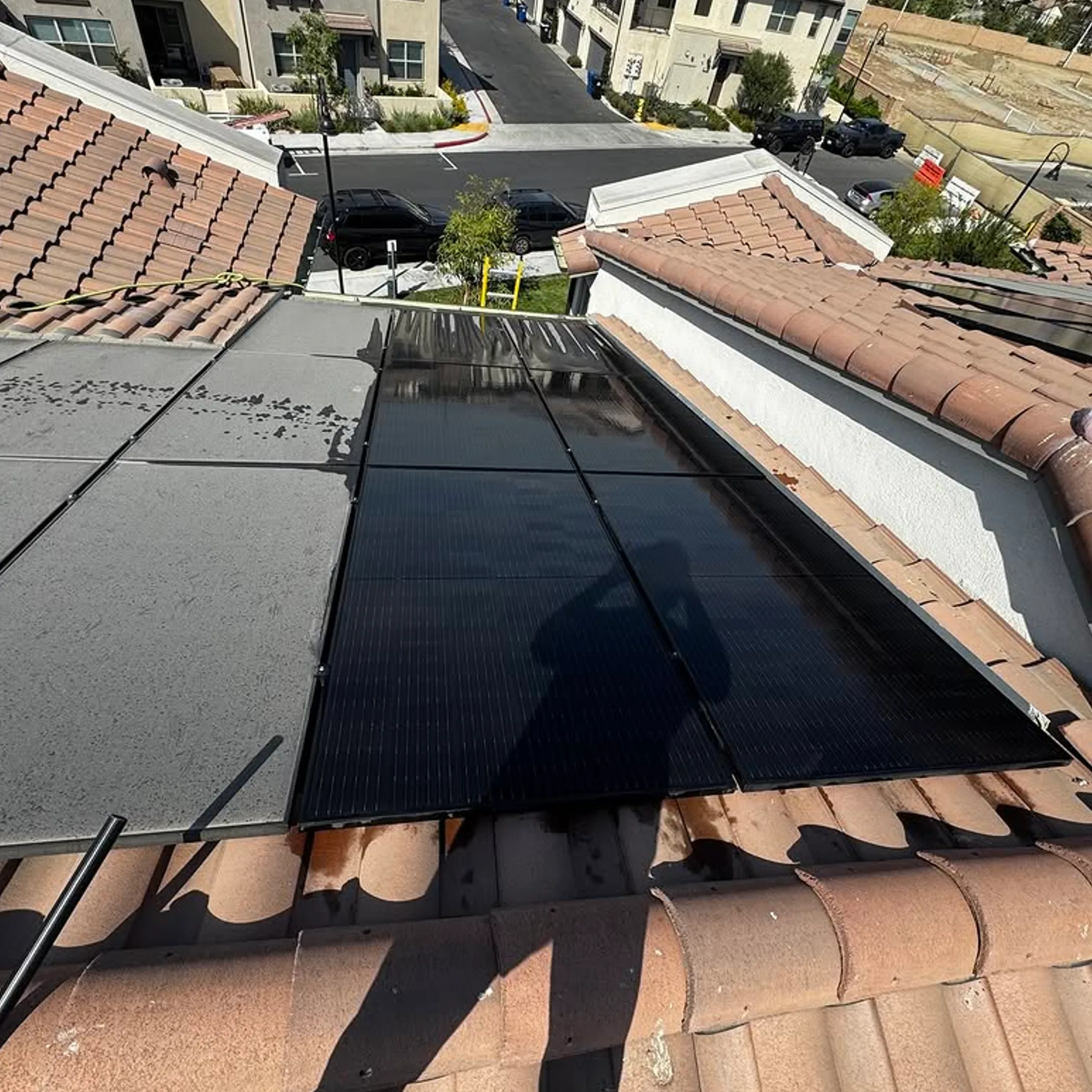
In Australia the pollen season will put down a layer on panels to scatter and block the sun and draw in debris. The sensible thing to do is to review your production figures and the panel itself, and engage a pro if getting on the roof is not advisable. Clean in cool, safe conditions.
There is no national schedule to follow. Each of Darwin, Sydney, Perth, Brisbane and Victoria has its own mix of wind, salt, dust and flora. Attend to it and you preserve efficiency; be too bold on the roof and a bit of maintenance becomes an expensive tale.
