There is a single rule when it comes to cleaning windows in dusty outback conditions: do not rub dry grit on the glass. First take off any loose dust, give it a good rinse and put some mild detergent to it, then use a soft cloth and a squeegee to put the finishing touches on. You will find this approach serves you well for vehicle and home windows, caravans or glass doors throughout the Australian outback.
Tristan Farrow here. I was taught this in no uncertain terms on a recent trip when I made the error of treating a window as I would an indoor chore. Up close the glass appeared spotless, but the afternoon sun put fine scratches and red-brown streaks on display. It is not glamorous work, outback window cleaning, but it is worth being patient about; a dry wipe can make an expensive repair job of what should have been simple.
Why Glass Gets Scratched By Outback Dust
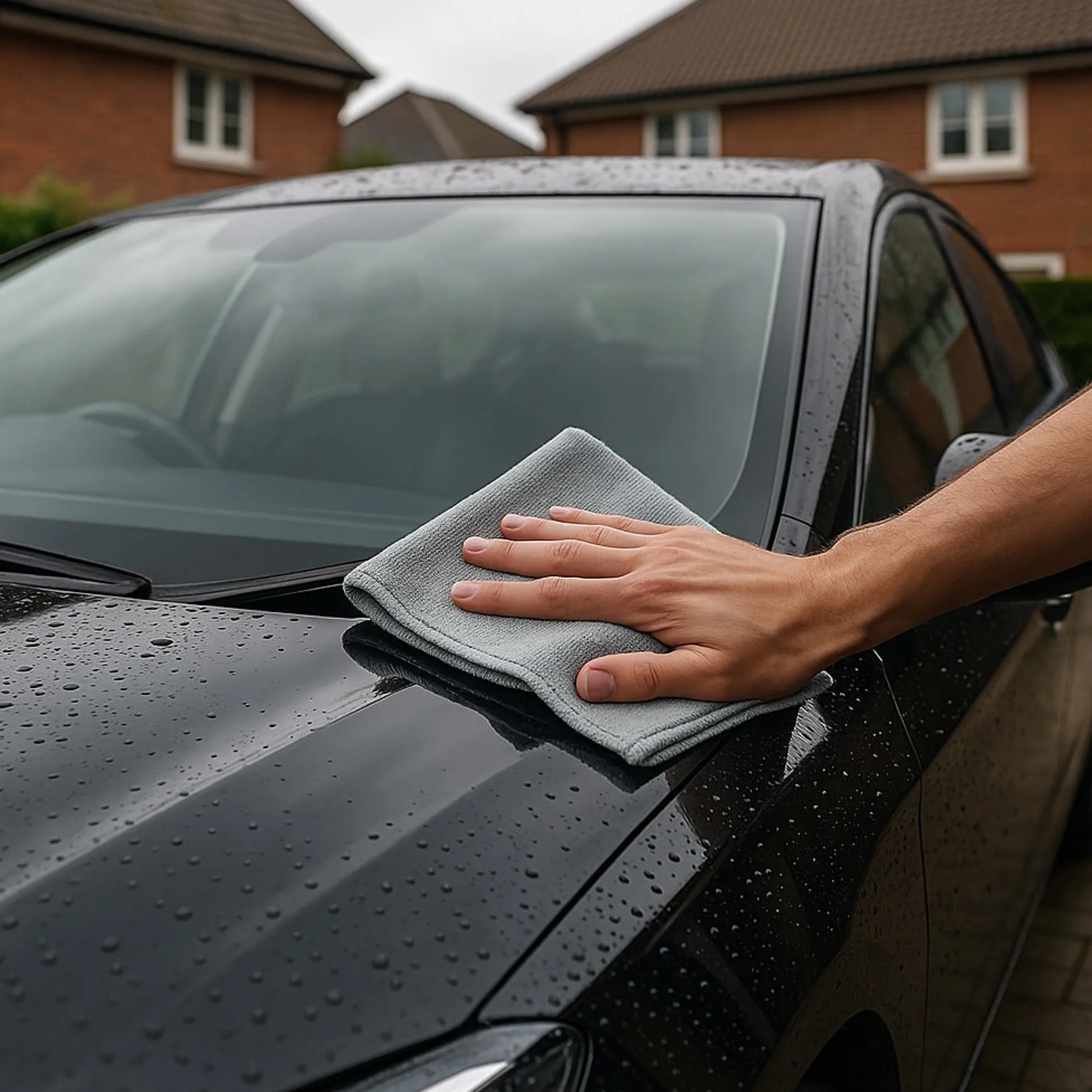
Do not mistake it for ordinary household dirt. The kind of dust you find in the outback has a way of containing mineral deposits, loose grit and fine abrasives from unsealed tracks, mine sites or paddocks. Put some pressure on a cloth with those particles between it and the glass and it becomes sandpaper. This is where a blade type comparison can be useful.
Then there is the red dust which is a nuisance, making its way into screen frames and window tracks. A gust of wind or a road train going by will have it back on the pane in short order. Best to pick a calm time and work in the shade, making sure the clean side of your cloth is what makes contact.
Reality Check
You might think a spray and a wipe is all it takes for a finish without streaks, but in these parts that is a poor strategy. Removal is the first step, washing the second, drying the third.
Some will put a dry microfibre cloth to it straight away in the name of efficiency and end up dragging grit across the surface. Or they will try to clean hot glass and the squeegee is too late to get the detergent before it dries.
The Equipment
A few good tools will see the job done quicker and with less risk of a scratch. I am not saying you need a professional’s shed, though if you have a caravan or a number of windows a quality squeegee is worth the outlay.
Plan on 30 to 60 minutes for a small home, contingent on how much dust is around and access to the panes. Do a proper job on the seals and tracks of a vehicle or caravan and figure on 20 to 45 minutes as opposed to a quick flick.
- Two buckets and a hose for a low-pressure rinse, clean water
- Some mild detergent or glass cleaner
- Microfibre and soft cloths (have some set aside for the frames)
- An undamaged squeegee blade
- Brush or vacuum for screens and tracks
- Dry towel for the edges and more water for the last rinse
- Gloves, eye protection and a steady step platform
Warm water and a little detergent will do for most domestic purposes. A bit of vinegar and water is of use on light mineral deposits, but do not expect it to be a cure for greasy road film or heavy red dust. If you are in the market for new tools, check a comparison of blades rather than go for a handle with flash; a flexible one that stays clean is what you want.
Water And Tools
Purified or deionised water is the order of the day for the pros, leaving fewer minerals when it dries. For your home or vehicle, tap water and a careful hand with the drying will suffice so long as you put each pane to rights before spots appear.
Under no circumstances put a razor, powdered cleaner, rough paper towel or abrasive scourer to dusty glass. And stay clear of strong solvents on painted surfaces, tint or rubber seals unless the manufacturer says otherwise.
Step One: Get The Loose Dust Off
Make sure you are not working with the wind at your back, blowing dust on to the pane. Shut the other side of the building and put some distance between vehicles and where you are working.
I had occasion to learn that on the Gibb River Road in May; I put my trust in a quiet looking patch of shade and set about the windscreen, only for a vehicle to put a fresh layer of dust over the bonnet. There is a straightforward rule of thumb: if you can, put the nose of the vehicle to the wind and be patient for a lull; never do your cleaning in the path of active traffic.
- Take down the flyscreens with some care and set them on something clean.
- Dust will have made itself at home on the frame, seals and tracks; get it up with a soft brush or the attachment on your vacuum.
- When rinsing the glass, be liberal with the water and work from top to bottom.
- You want the grit to be washed away, not shunted sideways by a cloth.
- Should the water turn brown or there are particles to be seen, rinse again.
Mind your pressure at the caravan windows, vents and seals. A pressure washer has a way of driving water into sliding-door tracks, electricals and wall cavities. On a vehicle window, start with the rubber edges before going over the centre of the glass.
Glass must be protected
A cloth should not come in contact with the glass until any dust has been rinsed off. In the event of limited water one can employ a spray bottle to break up what is on the surface, though a light mist will not do as well as a good rinse on a pane that is well coated.
Before you begin washing, look for any scratches, film or chips. A windscreen in poor repair or a tinted caravan window calls for a more delicate touch; heat or rubbing will lift loose film.
Two: Wash and contain the grit
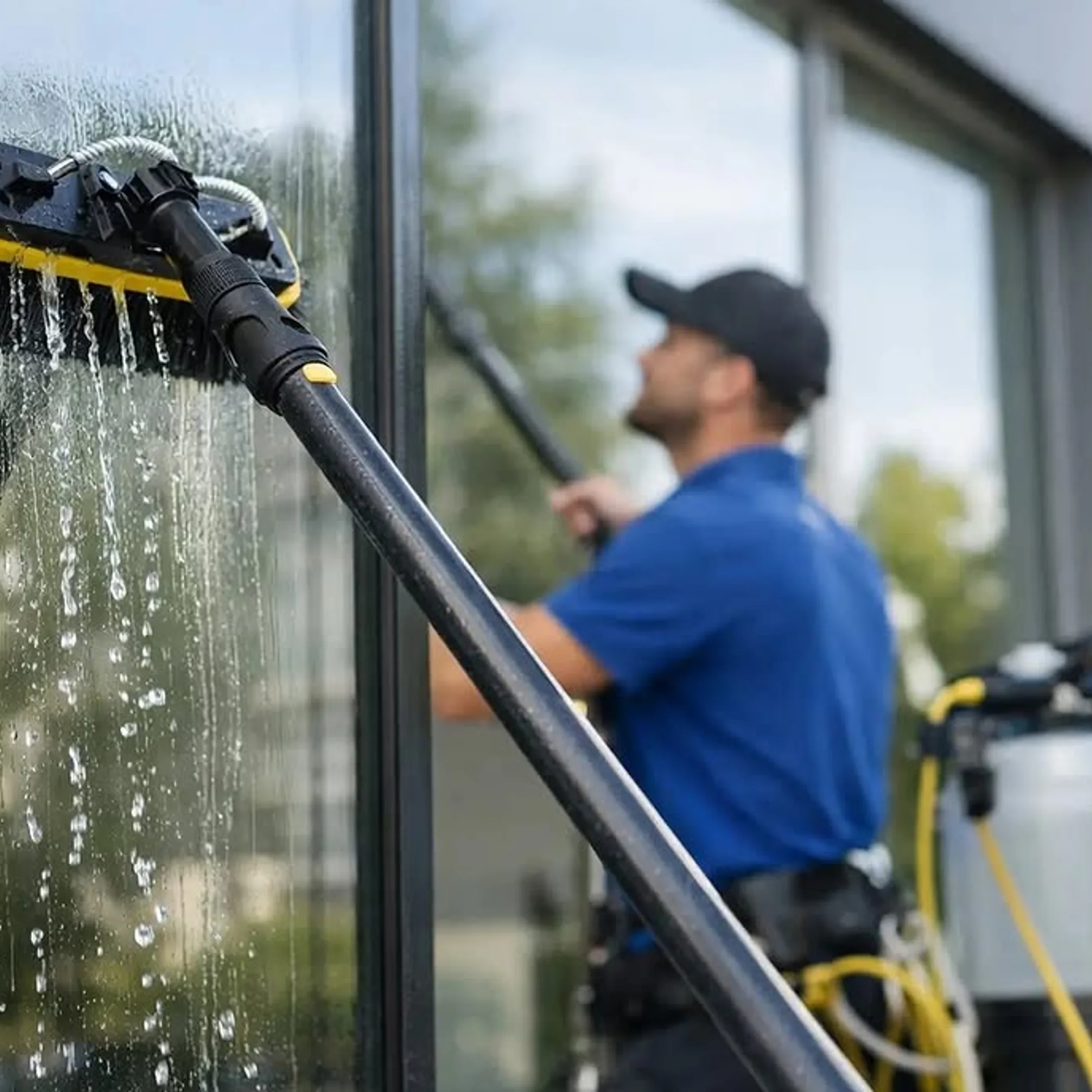
One section at a time is the way to go after the initial rinse. Go top down, make sure to change the water once it is soiled and see that the cloths for the glass and the frame do not get mixed up.
Put a little mild detergent in a bucket of water. Not enough and you will not move the oily residue from the road, but an excess will put down a film hard to squeegee. It should be lightly soapy, not a bubble bath for the ute.
Make use of two buckets
One for the wash, another to rinse the washer sleeve or microfibre. Dip, cover a small area and then put the cloth in the clean solution to rinse. This keeps red dust from making its way all over the pane.
Do not put any muscle into your strokes, let them overlap. A mark that will not budge should be soaked and left at that; do not try to abrade it with a rough bit of cloth or a blade. For mineral deposits that are stubborn, a product meant for glass is in order (test it somewhere out of the way first).
Dealing with the elements
The shaded side of the building or the early/late hours are best. Out in the Pilbara, Red Centre or the north, the sun will have dried the first section and left its lines of detergent before you are done.
Humidity in the wet season will give you water spots and slow the drying; in the dry, the dust is back in no time. Better timing and more frequent rinsing is a more sensible approach than reaching for a harsher chemical.
Three: Put the squeegee to it
You will generally get a superior finish with a squeegee than a cloth since it takes the dirty water off before it has a chance to dry. Make straight, overlapping pulls from the top edge.
See that the blade is free of grit, giving it a rinse every pass or so. Even with sound technique a nicked or unclean blade will put lines on the whole pane.
| Surface | Best Approach | Common Risk |
|---|---|---|
| House windows | Rinse, squeegee top to bottom and wash in sections | Dust from the tracks or screens |
| Glass doors | Done one side at a time with the bottom edge dried | Foot traffic |
| Caravan windows | Low pressure around the frames and seals | Water getting into the blinds |
| Vehicle windows | Get the road film off first and use a clean blade | Wiper grit and harm to the tint |
Between passes run a soft cloth over the blade. At the bottom, a dry microfibre is called for on the corners and edges. View the pane from a couple of angles to be sure, streaks have a habit of hiding from the sun.
Dry inspection
Once the glass is dry, check for missed edges, mineral deposits or spots. If there is visible grit, do not stand there polishing it. Rinse and start the squeegee and wash over again.
Streaks are most often put there by a dirty blade, hot glass, too much detergent or a cloth full of dust. Address the problem rather than putting on more spray; extra product does not make a dirty tool any better.
Screens, Frames and Tracks
There is a reason to see to the window screens, tracks and frames: they are where dust makes its home and will undo the work of a good wash. Open a window and a screen caked with red dust will be happy to put some of it on your newly cleaned pane.
If you can, take the screens off and give them a brush or a vacuum before a rinse; put them back only when they have dried out completely. With fixed screens a soft brush and cloth with a little moisture will do, provided one is careful not to put any strain on the mesh.
Tracks should be cleared without harm
Start by vacuuming up what is loose in the track and get into the corners with a soft brush. A soft cloth with some mild detergent diluted down will make a good wipe. Go over it with a damp, clean cloth afterwards to ensure no detergent is left to draw in more dust.
Sliding doors and those on caravans will have grit compacted about the rollers at times. Do not try to muscle a stiff window. See to the obstruction and have a look at the track, then follow the manufacturer as to lubricant.
Glass and frames are not the same thing. You will find that chemicals affect painted aluminium, timber, plastic and powder coating in their own way. Put any cleaner to the test in an inconspicuous spot and keep vinegar from anything that does not like acids.
Prevent Dust Build-Up Between Cleans
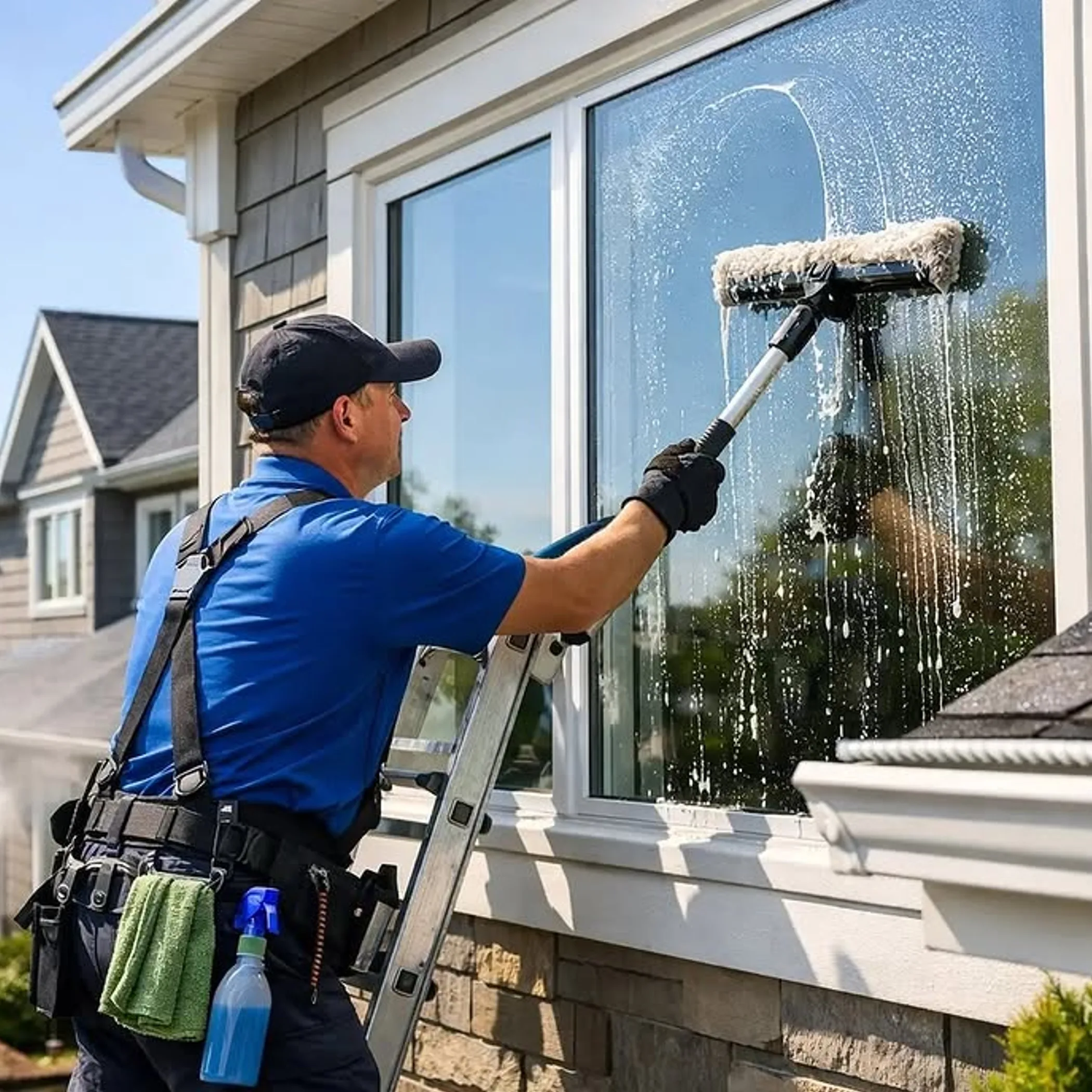
It is simpler to prevent a build-up of dust than to have to rescue a dirty pane again and again. Seal up any gaps, mend a flyscreen and leave the tracks clear so a gust of wind has nothing to stir up.
On a property beside an unsealed road, strong winds or a passing road train are cause to check the windows. Travelling in a caravan on corrugated country, put the windows away and use a cover if you can.
| Situation | Practical Routine | Priority |
|---|---|---|
| After a drive in the dust | Get the loose grit off vehicle windows before using a cloth | Remove loose grit first |
| In dry times | Inspect exposed panes and tracks weekly | Check tracks and screens |
| Before wet weather | Make sure drains and seals are free of mud | Reduce trapped mud |
| When mineral water has dried | Use a suitable glass treatment | Stave off spotting |
A few items for the kit in the vehicle or caravan will suffice: a squeegee, some microfibre cloths, a spray bottle and a soft brush. Expect to put down between 10 and 40 AUD for the odd replacement, depending on what is on hand. There is no need to part with considerably more for specialist water-fed gear if cleaning is only an occasional chore.
Make your plans for the conditions at hand
Should time be short, attend to the windscreens, the driver’s side and any door or pane with a lot of grit on it. Find a safe place off the road to park, an approved campsite or rest area, and be sure not to let your dirty water run onto a public path or another person’s vehicle.
In northern Australia one would be wise to heed the Bureau of Meteorology warnings before ladders and hoses come out, especially in cyclone season from November through April.
There is no sense in trying to clean in a storm or in the heat of the day or in any unsafe roadside spot. Use a platform you can trust, maintain three points of contact on a ladder and get assistance for the larger panes. No window is worth a fall or an altercation with a road train.
FAQ: Cleaning in the Outback
The following are the most common queries from those tackling dusty windows here in Australia. The answers are brief and pertain to sensible product choice for a vehicle or home and how to avoid streaks and scratches.
Professional Water Choices
Clean water and a touch of detergent is what many a professional will put in his water, some go for deionised to cut down on mineral marks. For the home, tap water is fine so long as you have a clean squeegee blade and dry the edges before spots appear.
What to Steer Clear Of
Abrasive powders, scourers, razor blades and rough towels are best left alone. And unless the maker says otherwise, do not bring strong chemicals near tint film, rubber or the fittings on a caravan.
Vinegar or Windex?
One is not necessarily superior to the other. Vinegar and water well diluted may be the answer for light mineral residue but a glass cleaner could be better for fingerprints and the like from the road. What matters is to have the grit gone, the right dilution and to dry the pane in time.
A Streak-Free Job in Australia
Do it in the shade. Rinse the dust, apply a little mild detergent and squeegee in sections. Have a separate cloth for the frames and do not attempt to clean hot glass in the sun.
Caravan Windows
Rinse the glass liberally first, then use a soft microfibre. Keep the grit from the seals and do not dry wipe. With acrylic glazing you would do well to stick to the manufacturer’s instructions rather than your usual glass routine to avoid clouding.
Keep The Glass Clearer Longer
For a finish that is truly streak free and to spare the glass from scratches, a three part process is all that is needed: a gentle wash, a rinse of the loose dust and then remove the water before it has a chance to dry. It is a better method than dousing everything in spray.
My advice is to be respectful of what the dust is doing and have your tools in better order than the window. Whether you are on a bush track or in the Pilbara or by the Stuart Highway, a measured rinse is always preferable to a hasty dry one.
Tristan Farrow
