What are the best seasons for an eco-tour of the Australian Outback? Put simply, the dry season between May and September is where most will find their ideal time to be. You get safer roads on your travels, weather that is kinder for a walk, better vantage of wildlife at the water’s edge and you can put to rest any worries of monsoonal floods or having a track shut down on you.
But do not think of the Outback as a single entity with a single forecast. The Red Centre and Top End are worlds apart from western Queensland and the Kimberley; conditions in Kakadu are no guide for Alice Springs. As Tristan Farrow would make plain, the season is of consequence in eco-tourism beyond mere comfort. It has a bearing on conservation, on how wildlife acts, on your access and whether a day you have put together goes off without a hitch or turns into a logistical shambles.
Why Timing Changes Everything
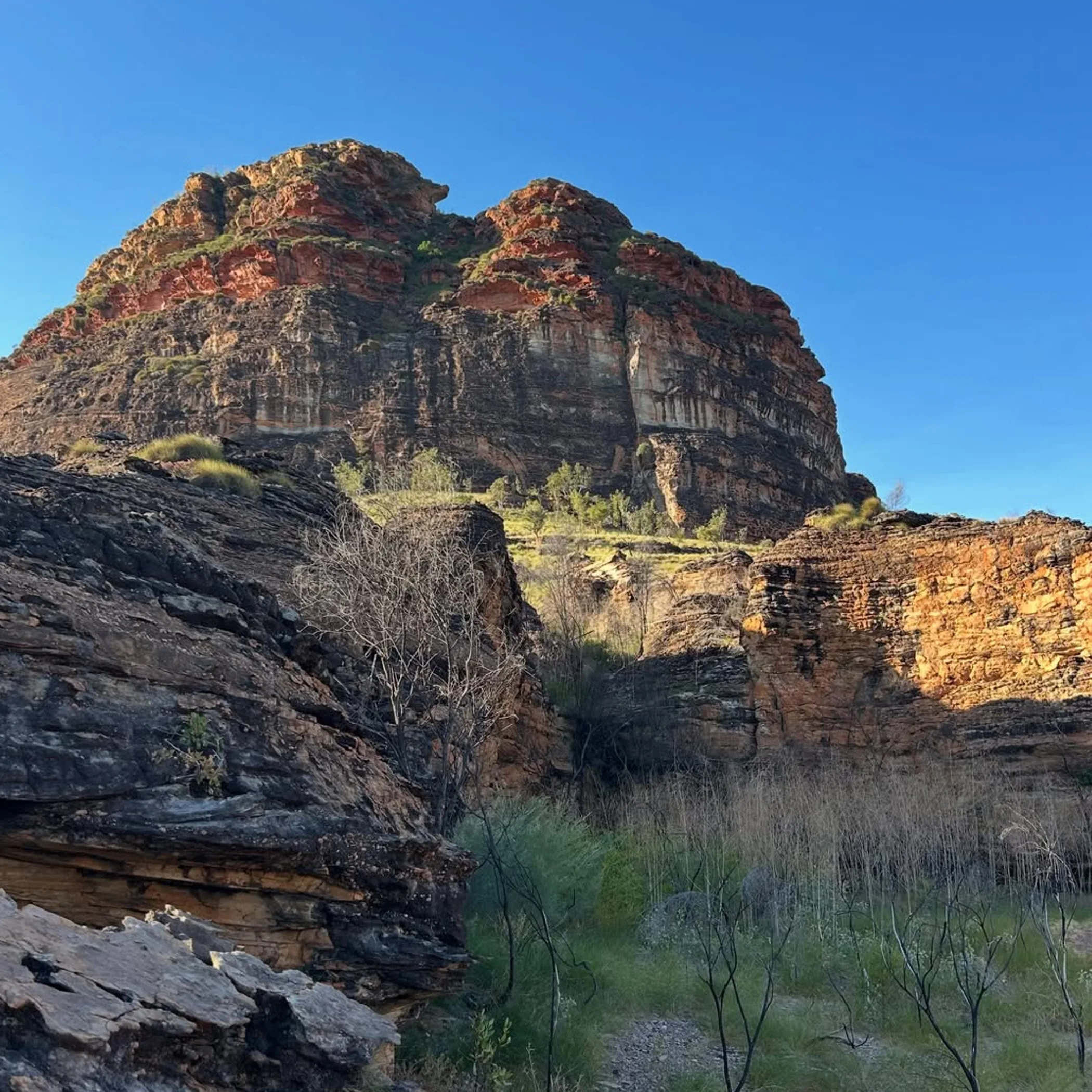
For those intent on low-impact travel and seeing what they have come for, timing is half the battle. One week a road in the bush is open, the next it is rough as guts and then under water.
An outback trip with Eco-tourism Australia is only as good as the alignment of the local ecosystems and the weather. Pick the wrong month and you are looking at closed walks, the threat of crocs, bushfires, a heavy heat load or being held up by a road train on a damaged track while you make a long detour around a washed-out crossing. Consider experiencing sustainable Kakadu visits to enjoy the region responsibly.
What The Seasons Really Mean
There is a tendency to picture four distinct seasons. In the north of Australia you are better off considering the wet (November to March), the shoulder months of April and October and the dry from May through September. Central Australia runs to its own timetable, with winter desert cold and the kind of heat in late spring and summer that is hard to take.
Then there is the matter of reality versus expectation. A “winter” in the Outback is not synonymous with cold days; the climate around Uluru and Alice Springs will see mild to warm afternoons in winter even if the morning has a bite to it when you are in camp. And the dry up north is not some European notion of lush and mild, just a more tractable way of dealing with very remote country.
May To September Wins
I would be the first to put people in this period if they want to put in some miles and plan with some certainty. It is a good time to explore outback terrain without making an issue of the weather.
The dry season is accommodating to the novice. Campgrounds are in order, tracks are open and one does not have to ponder if the creek ahead has become an inland sea.
The Dry Has Its Merits
In the Kimberley and across the Northern Territory the lower humidity and cool nights are what make camping and driving a possibility. With the floodwaters gone in the Top End and Kakadu National Park you will see animals drawn to the permanent waterholes and none of the wet season mayhem.
It is the season for the uninitiated too. You can trust rangers to put on their guided activities and have more faith in your distances over unsealed tracks. More confidence is not an invitation to wing it however. On 300km of gravel you will be behind a ute putting on a dust show like a flour bomb and factoring in photo stops and fuel, you will find it takes longer than Google Maps suggests.
Who Is It For
If you are a photographer, a family on the road, a birdwatcher or simply wary of the extreme heat, May to September is for you. Same if you want to make the most of a once-in-a-lifetime trip to the outback icons.
Do not expect solitude at the headline names though. The window is busy in places like the Kimberley, Kakadu, Alice Springs and Uluru and you will find the good campgrounds taken. Some have the idea that remote is empty; in the peak of the dry some of the hubs are sardine cans.
April And October
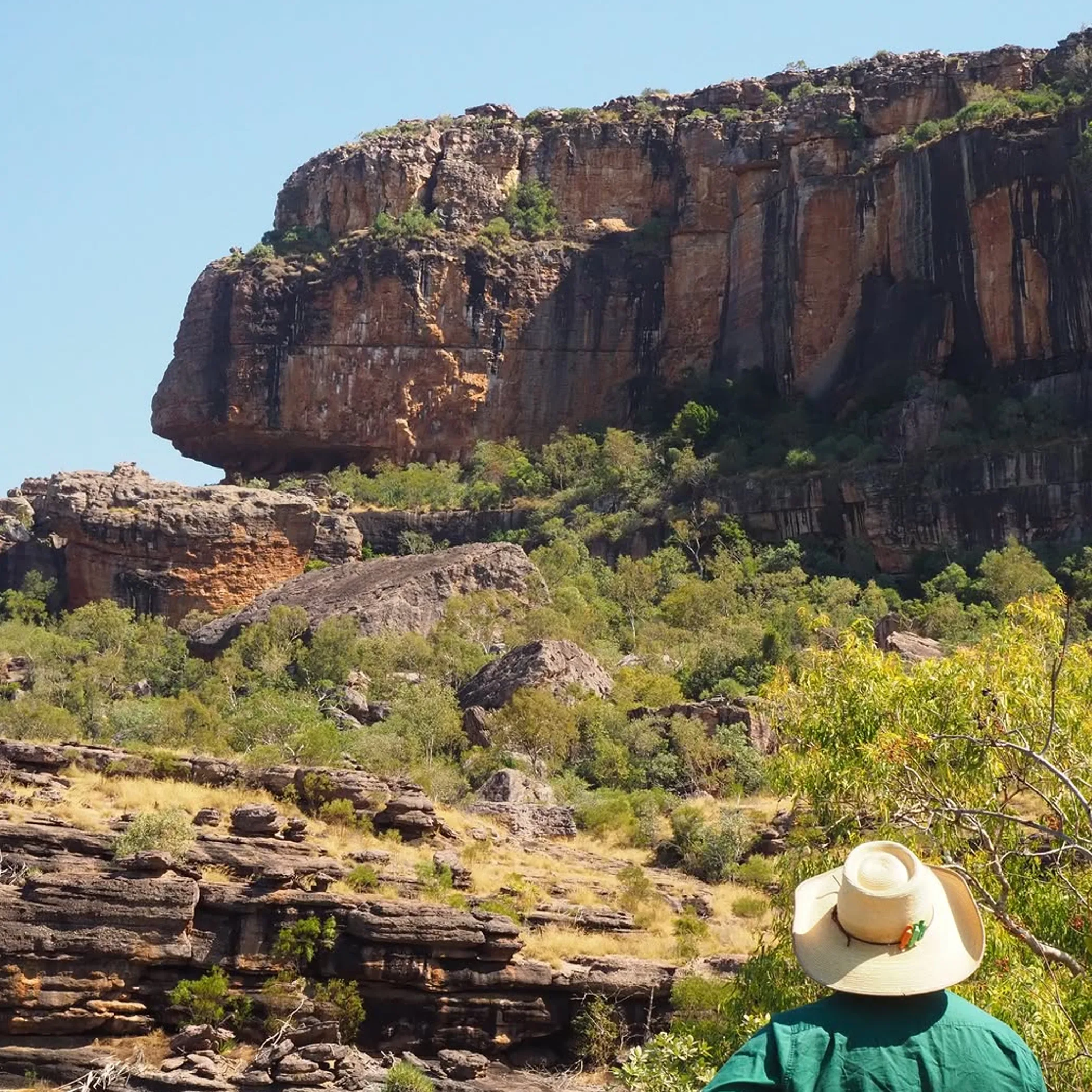
The outback in the shoulder season is fine provided you accept the trade-off. There is less of a crowd and the odd better price in April and October but you have to be more pliable and put up with the odd patch of poor access or some humidity. They are the months for the repeat visitor or one who does not care for the traffic of the peak season and is happy to alter plans. Nervous drivers, or a family with small children out in the boonies, will not find them to their liking; nor will those of a disposition to have every hour of the day neatly accounted for in a spreadsheet.
April After The Wet
In the north April is fine, provided one likes green and full landscapes, active waterfalls and birdlife in evidence. But there is a caveat: monsoonal flooding can still be an issue on the roads and river crossings and put paid to some walking routes, in Kakadu National Park and the Top End at large.
Then it is a matter of what you put a premium on for a trip to Kakadu. For dramatic water and country that is lush and uncrowded, April is hard to beat. Should your preference be for straightforward logistics and unimpeded road access, wait for the dry to set in. A sustainable visit to Kakadu is one where the traveller does not make an issue of local closures by putting himself in unsafe or fragile terrain.
October Before The Build-Up Breaks
A different kind of gamble altogether is October. One can still get about reasonably well and make of it a good month for a few shorter trips by road, stargazing in the outback or a dawn walk, but temperatures are on the rise in much of Central Australia and any protracted hike in the open is hard going.
Folks are apt to be disabused of the notion that a clear, dry sky means the heat is no threat. In the Red Centre spring can get serious in a hurry. An attitude of bravado and a bottle of water is all some would have, and October has a way of being humbling.
Regional Timing By Landscape
You cannot apply the same rule to the whole of the Outback. There is more sense in tailoring the season to the region than in making Kakadu and Longreach conform to one calendar. What follows is the practical side of things, to spare the disappointment of having a dream route on paper only to be told the campsite is an oven, the road shut or the walk off limits.
Top End And Kakadu
Most will find the planning easier in the June to August window for a go at Kakadu National Park. It is cooler, the wildlife are to be seen with more certainty as they put in an appearance at the diminishing water, and the major sites are within reach.
April and May are beautiful if a little up and down. From November through to March the wet season is upon the north with its humidity, storms and the odd cyclone alert and flooding. Some places you simply cannot get to. Not a failing on the part of the trip so much as the landscape being true to form. Parks Australia has the official word on safety and access at Kakadu.
Red Centre And Larapinta
For the Larapinta Trail, Alice Springs and Uluru, May to August or thereabouts is when you can do some multi-day touring and long walks in comfort. The nights are cold and the days milder so you can put in a sunrise without concern for your shoes.
Do not think of tackling the Larapinta casually in the warm months, it is not for the novice. You need to have your transport and water sorted and keep a realistic pace even if you are used to walking. Put pack weight and the sun on a rocky section and what seems a modest distance on paper will tell you otherwise. With a day to kill near Alice Springs, take a short marked section from an access point and do not make out you are a desert ultra-runner.
Kimberley And Gibb Country
Eco-travel is most sensible in the Kimberley in the dry, say June to August. As for the Gibb River Road, conditions are never the same year in year out but this is usually the safest bet for station stays and to cover long distances.
I was taught two lessons in short order on my first crossing of the Gibb in May: “open” is not synonymous with smooth and a detour that looks short enough will eat half your day. Corrugations put the brakes on, you have to judge the swimming spots and the fuel stops are too widely spaced for any rough calculation. The shoulder times are workable but you have to be patient and have the water and fuel to show for it.
Queensland Outback And Longreach
The cooler months from late autumn into winter see the best of central-west Queensland and Longreach. To avoid the heat and see the sights properly, plan for May to August.
One can travel in summer but managing the heat takes centre stage. That is to say you will be starting early, making for the indoors come the afternoon and giving your vehicle’s cooling system a once over before you are off the bitumen.
Wildlife Moments By Season
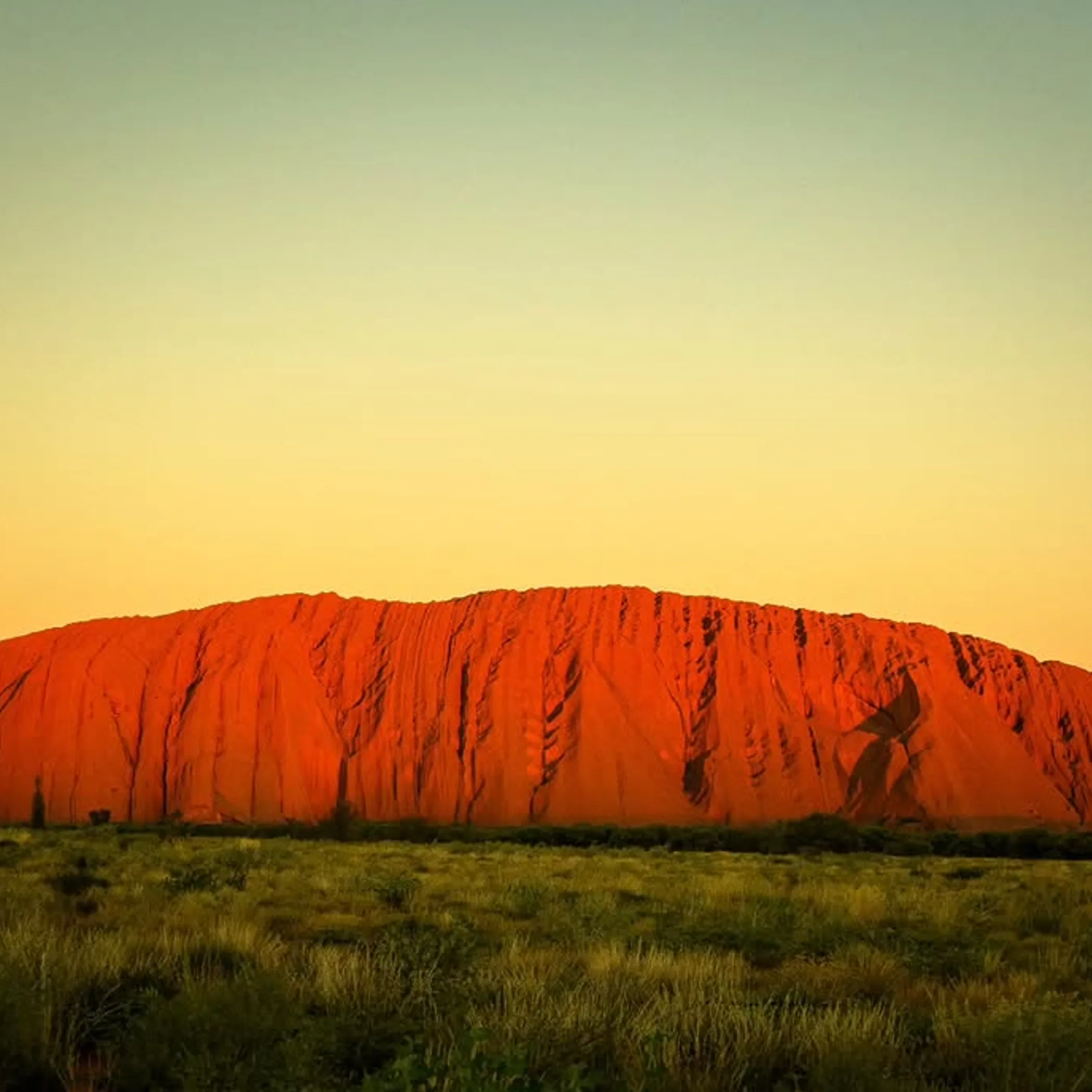
The seasons have a way of altering your perspective and what is on view. One does not make for good eco-tourism by simply putting in an appearance in some wild place; it calls for an appreciation of how the animal world is put upon by things like heat, water availability, disturbance or its breeding time.
In the Australian outback you will find no better example of when to go than with the finest eco-tourism. Put it down to timing and there is less pressure exerted on the environment and you are spared some of the stress.
| Region | Best Window | Wildlife Strength | Main Catch |
| Kakadu National Park | June to August | Where wetlands and easy water draw birdlife and other wildlife | Tends to be crowded at the popular spots |
| Kimberley | June to August | Gorges and river country are well within reach | Fuel has to be planned for given the distances |
| Uluru And Alice Springs | May to August | More amenable to dawn and dusk pursuits | Early starts and cold nights are part of it |
| Larapinta Trail | May to August | Visibility in the desert is unobstructed and walking is more agreeable | Yet it is no less of a physical task |
| Longreach Region | May to August | A comfortable tour, if not as “wild” as one would find in the NT or Kimberley ecosystems |
Up north the waters pull back and habitats put all the action in one place, so birdwatchers are well catered for. Those making their way through the desert will have the most success in the cooler hours of dawn and dusk. The outback is fine for stargazing in the dry months but do not expect dark skies if the moon is full; that silver floodlight over the camp can be as much of a factor as the season.
Travel Light On Country
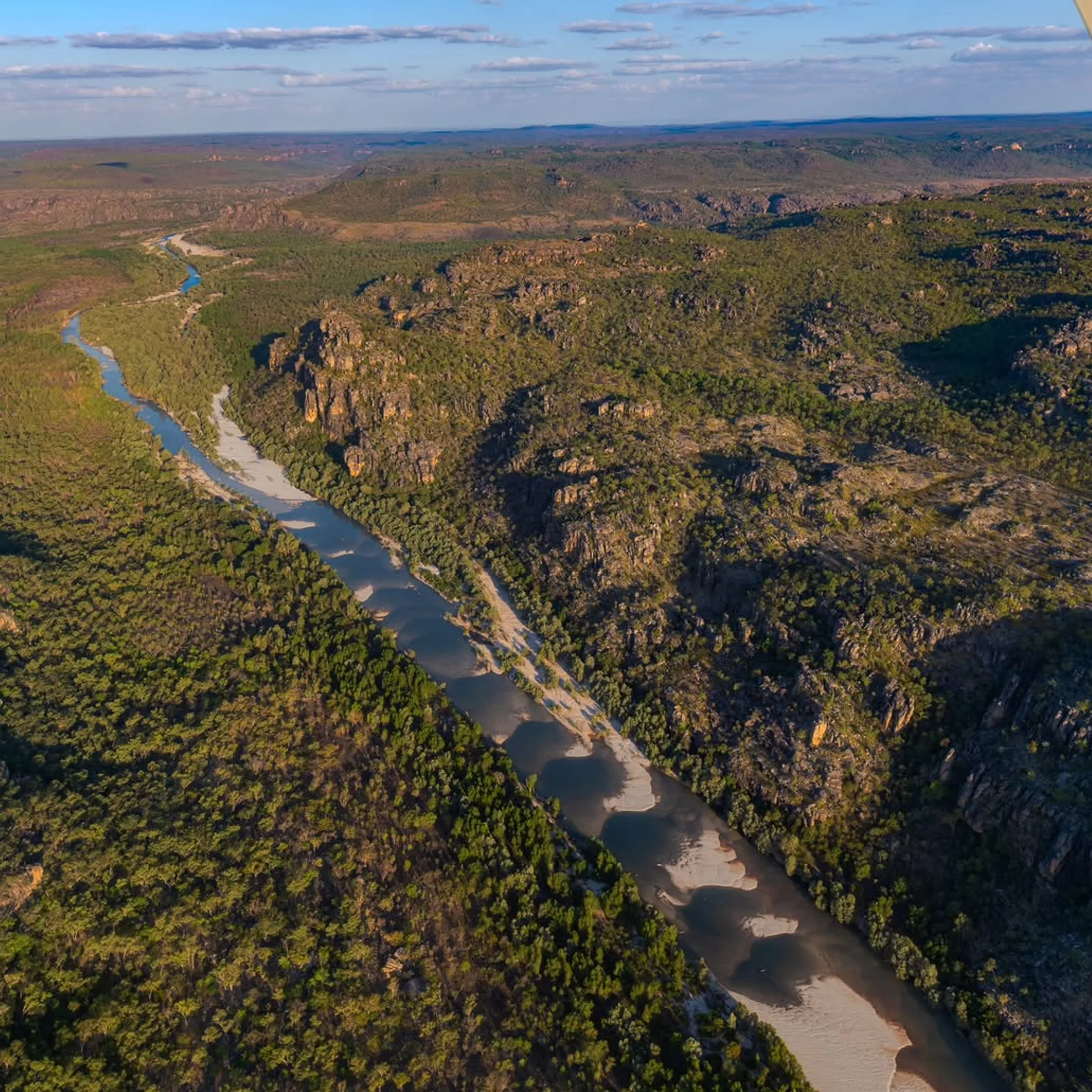
What passes for responsible travel in the Outback is practicality, not show. Do not make a fragile creek line your own because it is a nuisance to reverse. Stick to the track, observe any closures and give local operators your business. As Tristan Farrow is wont to say: use less water, leave less of a mess and act like the bush is not there to clean up after you. In remote country where recovery is a slow process and rescue comes at a price it is something to bear in mind.
- Make it a point to travel in the cooler months to spare yourself and your vehicle from the heat, particularly on long unsealed runs.
- Where you can, take a guided experience from a Traditional Owner or an operator of the region.
- Heed local counsel on crocs, fires, swimming and areas off limits for cultural reasons.
- Take your rubbish with you, even the tidier sort some would have you believe is of no consequence.
- Refill your bottles and cut down on single-use items but never short change yourself on water.
For a sustainable visit to Kakadu flexibility is key. A site being closed is not an open door to see how far you can push it; it is for the sake of safety, road damage, ecosystem or wildlife management, or to protect culture.
Logistics That Save Trips
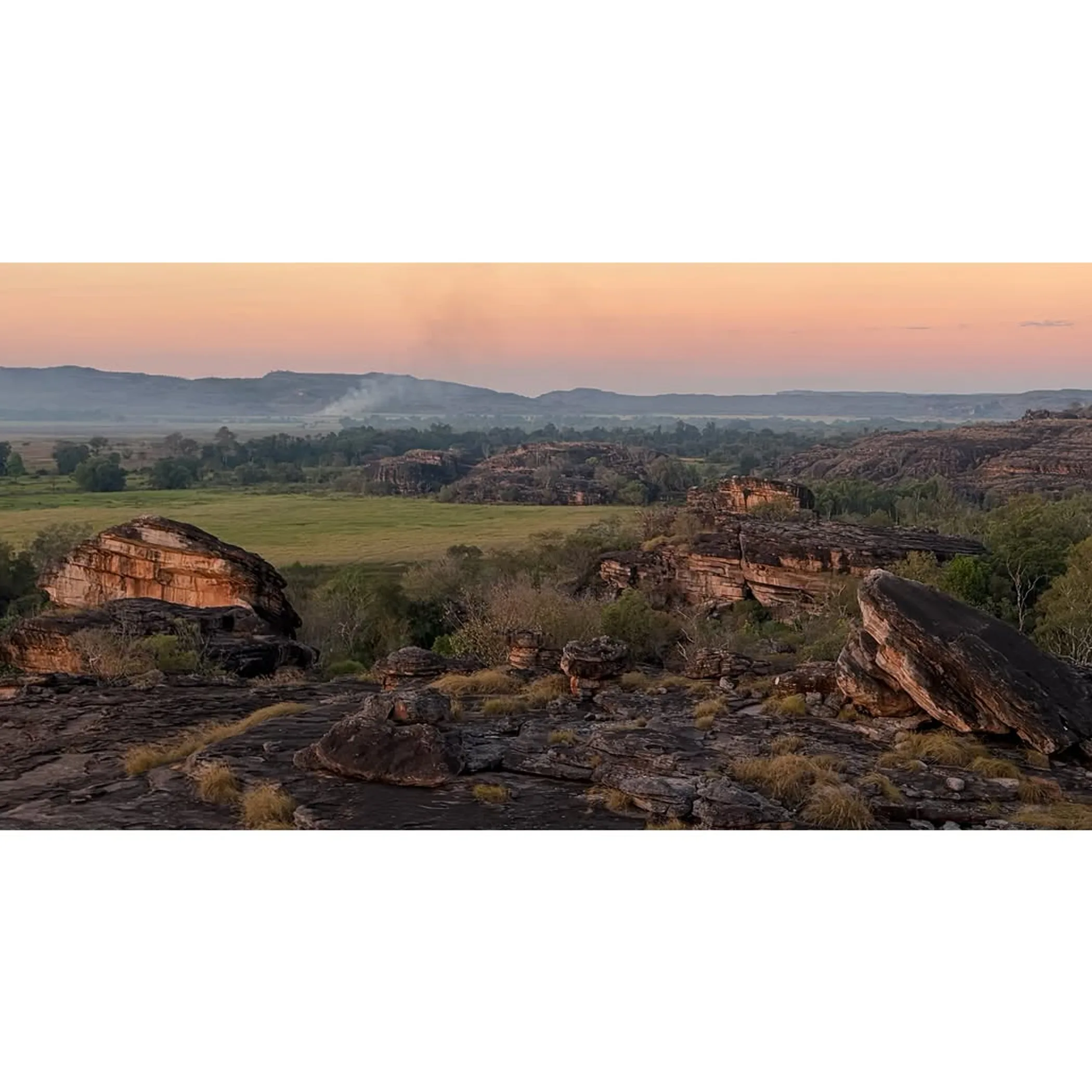
Read this part over. Safety in the outback is not found in some dramatic tale of survival but in preparation that may seem dull until it is done right. Mistakes in the remote add up in a hurry. An overconfident afternoon walk, a bad tyre or a fuel stop you did not make and your eco-holiday is an expensive lesson in planning.
Access, Roads And Timing
By Outback reckoning the Stuart Highway and other sealed main roads are no trouble, but you will come across gravel and corrugation on the side roads to stations and lookouts, or they will be shut for the season. Once it has rained drive times are inflated. What is 150 km on the page could be three hours with washouts and wildlife about near dusk.
You will have no problem parking at a national park but shade is not guaranteed and in the peak of the dry season overflow is possible. At a trailhead in the bush it is the heat in a parked car and the notion of “it is only a short walk” that is more of a concern than theft. Bring extra water for the marked walks.
Permits, Passes And Costs
Figure on between AUD 150 and 300 per head for a self-drive day in the Outback when you put in the cost of fuel, food, incidentals and park entry; the region and season will dictate the price. Throw in accommodation and in the popular months a couple will be hard pressed to keep it under AUD 300 a night for anything but the most basic of regional stays. Guided eco-tours are pricier but the risk is lower and the interpretation better. You will also want to check on any need for an NT Parks Pass, camping bookings or Aboriginal land access for the route you have in mind. It is a mistake to think you can put off sorting out a permit until reception is better; more often than not, that is the time it will be gone.
Who might want to think twice about some of these trips
There are walks and routes for which a novice or an ill-equipped vehicle is no match, nor for those who do not take kindly to being isolated in the heat. This holds true in particular for extended stretches of the Larapinta, a drive on the Gibb River Road in the shoulder season, or venturing north in the wet without the benefit of local knowledge.
For the less experienced there is nothing wrong with enlisting the services of a guide from one of the operators Tourism Australia would have on its list. Or one can peruse the planning material put out by Intrepid Travel or Lonely Planet, provided any official park or weather information is checked first.
Some straightforward seasonal ideas
A well put together itinerary will have regard for daylight and distance, and the fact that underestimating a bush walk makes for a very unappealing six hours behind the wheel. Leave yourself leeway for a breakdown or a site that has closed, or to put down and photograph every termite mound you come across. These are workable plans, not some fantasy of a schedule, even when you factor in fuel, a toilet stop or the member of your party who was certain he had his hat packed (he did not).
- One Day In The Red Centre: Make Alice Springs or the vicinity of Uluru your base. Be up before the sun for a proper walk in the cool, then get out of the peak heat to rest or be indoors. Come back for the night sky and sunset.
- Three Days In Kakadu: Go in the mid to late dry to make access a non-issue, pick a district and stick to it for the day as opposed to criss-crossing the whole park. A guided cultural or wetlands outing is preferable to making a show of covering every marker on the map.
- Five To Seven Days In The Kimberley: The main dry is the time to be here. Put in conservative times for the Gibb River Road, pre-book what you can and set aside a buffer day for the vagaries of road and weather or trouble with the vehicle.
A word to planners
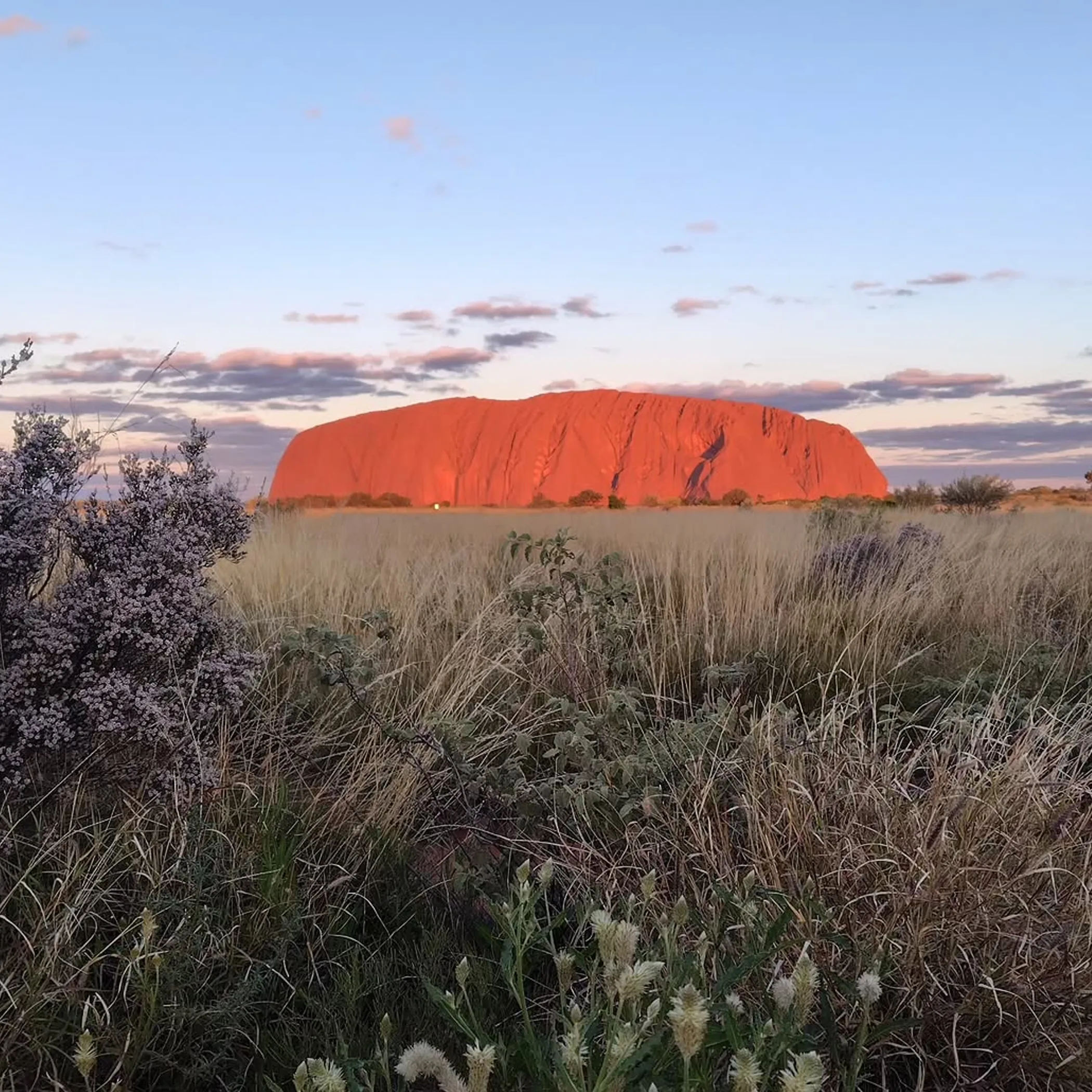
The short version is that for outback eco-tourism May through September is usually best, with April and October as viable shoulders for the flexible type. That broad rule of thumb will do most people fine.
But a more precise answer is regional. The Top End and Kakadu like the dry. Cooler months are what you will find in and around Uluru and Alice Springs. Let the Kimberley conditions settle before you go. Longreach is more amenable in winter. My view, and Tristan Farrow’s too, is that the wiser Outback traveller does not go in search of a perfect month but rather matches the country to it and makes an adult plan.
Frequently Asked Questions
When is the time to visit the Australian Outback?
May to September is the most comfortable and safe window for the majority, affording good road access, walking and wildlife. The northern parts are at their best in the dry, as is Central Australia in the cooler months.
What would you call a good ecotourism destination in Australia?
You could do worse than the Larapinta Trail, Uluru, Alice Springs, the Kimberley or Kakadu National Park. They have their own merits: the desert and culture of Central Australia, the gorges of the Kimberley, the birdlife and wetlands at Kakadu.
When should one go to Longreach?
As a rule of thumb, May to August. Daytime temperatures are more in hand for touring the region and seeing the sights.
How to avoid the crowds in Australia?
April and October in the Outback will see you clear of the worst of the peak season with conditions to boot. Then again, depending on where you are, there is less certainty as to closures, humidity and heat.
Is the wet season to be shunned?
Not always, though we would not make it our default advice. For the uninitiated or those on a tight schedule the flooding, storms and heat are a deterrent. But if you want big skies and dramatic water in the north the wet can be very good indeed.
