Great Ocean Road best time to visit When is the best time to put in some miles on the Great Ocean Road? The answer for the majority of travellers is spring or autumn. Daylight is ample so one can take in the coastal scenery at a leisurely pace, there are not as many people about as in summer, and you will have more agreeable weather and road conditions. Put simply, make it October to November or March to April.
Tristan Farrow would say that the right timing is a matter of what you are after. Whether it is to see the whales in Victoria, a surf session at Bells Beach, long walks, a family beach day, or to save on room rates, the month you should be making your dash from Melbourne to the Great Ocean Road varies. For more details, check our Great Ocean Road tour planning guide. We have made short work of all that in this guide, no brochure talk and we are not going to claim January traffic has any charm.
Choose Your Season
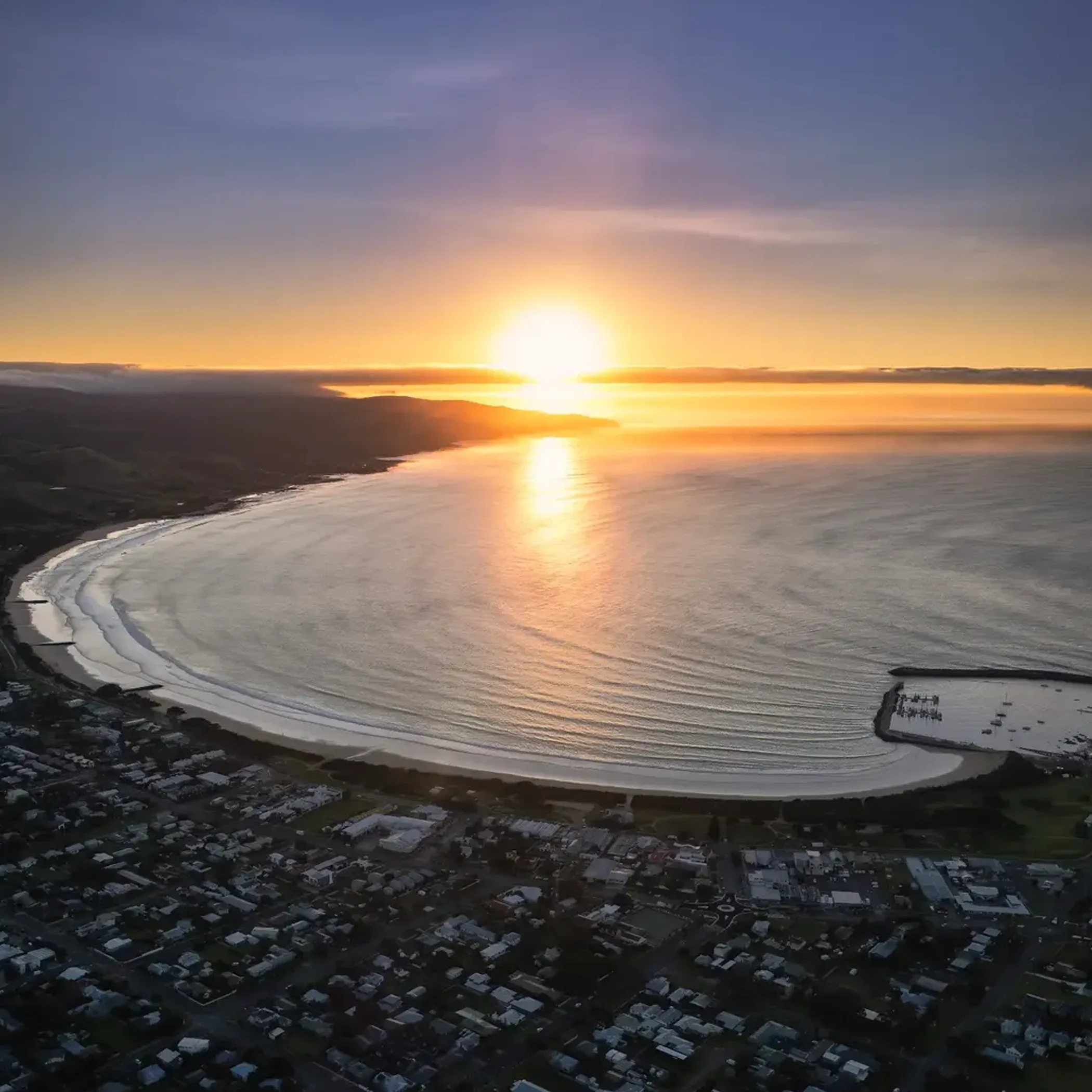
visit It is best to align your visit with what matters to you. You may like a good photo at the Twelve Apostles, but then again you might prefer to secure a car park and a table in Apollo Bay rather than stand in line for half a day behind a string of campervans.
In Tristan Farrow’s estimation the shoulder season is where it is at. Towns are still alive and well, the walking tracks are more to your liking and you will not find the prices as exorbitant as in the height of summer.
A Verdict On The Seasons
There is much to be said for a spring trip, particularly in October and November. Inland wildflowers are out, waterfalls are in full flow and temperatures are fine; and you will not be part of the school-holiday hordes.
Equally strong are the autumn months of March and April. After the summer the sea is often mild enough and the weather has a way of settling down. It is a calmer time to be on the road and less likely to try your patience with wind or other holidaymakers.
| Season | Best For | What to Expect | Crowds | Cost |
| Summer | Long daylight, beach and school holidays | Warm if not hot, bushfire risk, roads are busy | High | Higher |
| Autumn | Walking, a good road trip and even-keeled weather | Mild, stable, nice evenings | Moderate | Moderate |
| Winter | Dramatic coast, whale watching, value for money | Cool, wet, moody seas and wind | Low | Lower |
| Spring | Wildlife, hiking and touring in general | Fresh and changeable coastal conditions | Moderate | Moderate |
Make Allowance For The Month
The seasons on the Great Ocean Road are more than a postcard. They will dictate your driving speed, if you can get a room, how easy a walk is and whether you have a laid back lunch in Lorne or are packed in like sardines. One can have four seasons before tea in this part of Victoria. More often than not it is not the thermometer that gets to you but the wind and underestimating the distance from Torquay to Port Campbell.
Summer (December – February)
You will have the beach weather and the buzz of the holidays. Those wanting long evenings and some swimming in lively towns will be catered for. But do not be surprised by pricier accommodation and having to putter through the high-traffic areas. Planning a day trip from Melbourne in the summer is hardly forgiving; the light is lovely but the roads and toilet stops are heaving. At some of the better lookouts the dunny queue is the thing you remember.
Autumn (March – May)
For a road trip with some balance early autumn is hard to beat. The light is clear, there is none of the glare you get in peak summer and the sea can be quite pleasant. As you get to April and May it is all quieting down. If you want to park up easily at the Twelve Apostles or Port Campbell and book a meal without trouble, these are the months.
Winter (June – August)
Visitor numbers drop and the skies put on a show. The whale watching is at its best. Travellers who are happy to don a jacket and like their ocean scenery rough will be in their element in the quieter towns.
Not the time for it if you have plans for the beach or want to be flexible on foot. With the rain and wind and limited daylight you have to plan realistically on a winter Great Ocean Road outing.
Spring Months
A wide range of activities can be had in the September to November period, making it one of the better windows for a visit. The spring on Great Ocean Road is comfortable for the Great Ocean Walk or any number of shorter coastal tracks; you will have your daylight and greener vistas and wildlife to boot.
Those looking to put together a seasonal itinerary that is not dictated by an aversion to the elements will find it a practical time of year. Being coastal Victoria there is rain and wind to be had and it has a way of keeping you in your place, but for the most part it is very workable.
Timing Your Activities
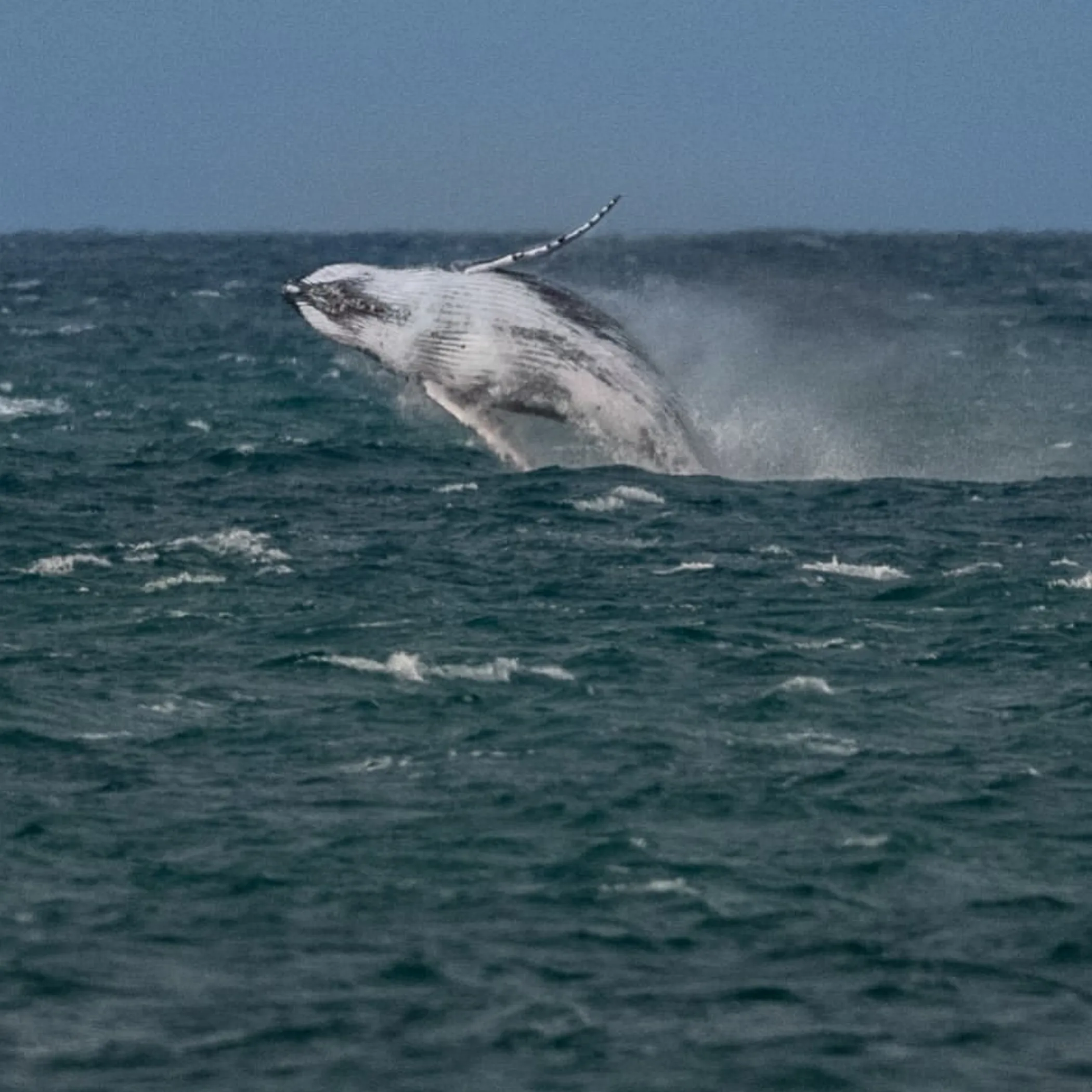
What makes up your day will dictate the ideal months for a trip to Great Ocean Road. One would not give the same counsel to a surfer as to a family with three weary children in tow at a bakery, or to a walker and a wildlife enthusiast.
Tristan Farrow has a simple rule: do not choose a season and then make your preferred activity fit. Put the activity first and go from there.
Waves, Whales And Walks
If you are after whales in Victoria, winter and the early spring are hard to beat. The southern right whale puts in an appearance along the Victorian coast in force during the cooler months, with Warrnambool being the place for a good sighting, although a patient eye will be rewarded elsewhere on the coast.
Hiking is best done in spring or autumn rather than the summer heat if you are to do some of the Great Ocean Walk; the all-day conditions are more agreeable and you are not as exposed to the sun. In winter the atmosphere appeals to some walkers but the weather is fickle and the ground can be slick.
Then there is Bells Beach at Torquay for the surfers, where autumn brings the event energy and strong conditions. For those who come only to look on, it is wise to see what the local conditions and timing are like instead of expecting cinema quality waves every day.
Whale watching (June to September)
Hiking (March to May, September to November)
Bells Beach surfing (Autumn, particularly when the surf is on)
Beach stops (December to March)
Wildlife (Spring and at first light or dusk in any season)
Crowds and Budget
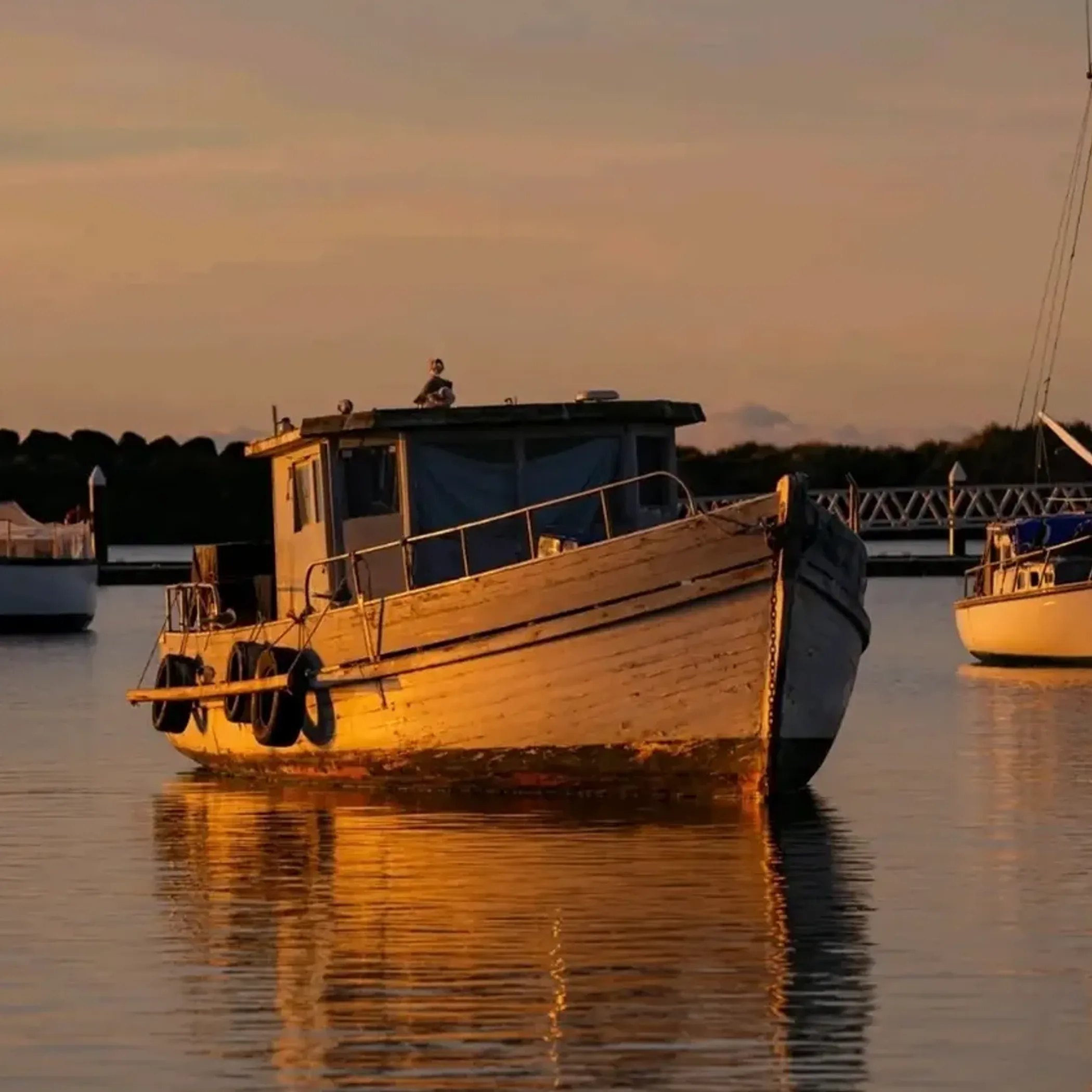
First-timers are often unprepared for how much the crowds on Great Ocean Road will define their experience. An hour can be given over to parking and crawling traffic at a peak holiday bottleneck where a shoulder season would have been a breeze.
The towns of Lorne, Apollo Bay and Port Campbell are no different when it comes to accommodation; they fill up in a hurry at the height of the season and over long weekends and school holidays.
Costs
Take the following as a general guide. A bed in a YHA or hostel type place in the off season will be in the region of AUD 50 to 90 a night. Mid-range is closer to AUD 180-320. Wait until late in the summer or a holiday and you can expect to pay in excess of AUD 350 to 500 for a room in a good spot.
You will see some variation in food prices according to the season and where you are, but not to the same degree. Expect to put down AUD 20 to 35 for a no-fuss lunch, or between 30 and 50 for a pub dinner or something at a proper restaurant. The mistake is to think you can wing it for an evening meal in a small town in January. On occasion you can, on other occasions you end up with snacks from the servo and tell yourself it was in the plan.
Open Your Eyes When You Drive
Do not confuse the warmest month with the best time to be on the road. Spring and autumn are preferable when the daylight, weather and traffic are in your favour.
It is a scenic drive but a working one too, with its share of tight bends and cyclists and the odd closure. Not a racetrack and not where you want to realise you have no patience for winding roads.
Road Conditions
Erosion, maintenance, crashes or the weather will alter conditions. Before you set out, particularly in winter or after a storm or in the bushfire season of summer, check with Victoria traffic for the latest.
And do not let the map fool you into thinking the route is as straightforward as it appears. What is “just over 100 kilometres” on paper will feel like much more once you have factored in the roadworks, the detour to a bakery, slow moving traffic and the reality that a coastal road is never flat as a pancake.
For a day trip out of Melbourne, make an early start. You will have a better run of it in the morning, find parking at the more popular stops with less trouble and not be so inclined to put in the miles on the twisty parts once the sun is down and you are worn out.
When on foot by a beach or clifftop lookout, stay within the marked areas. There is no point in underestimating the risks of a rogue wave, strong swell, an unstable edge or a gust of wind. And for a swim, go to a patrolled beach; do not think any attractive cove is going to be safe.
A Sensible Route
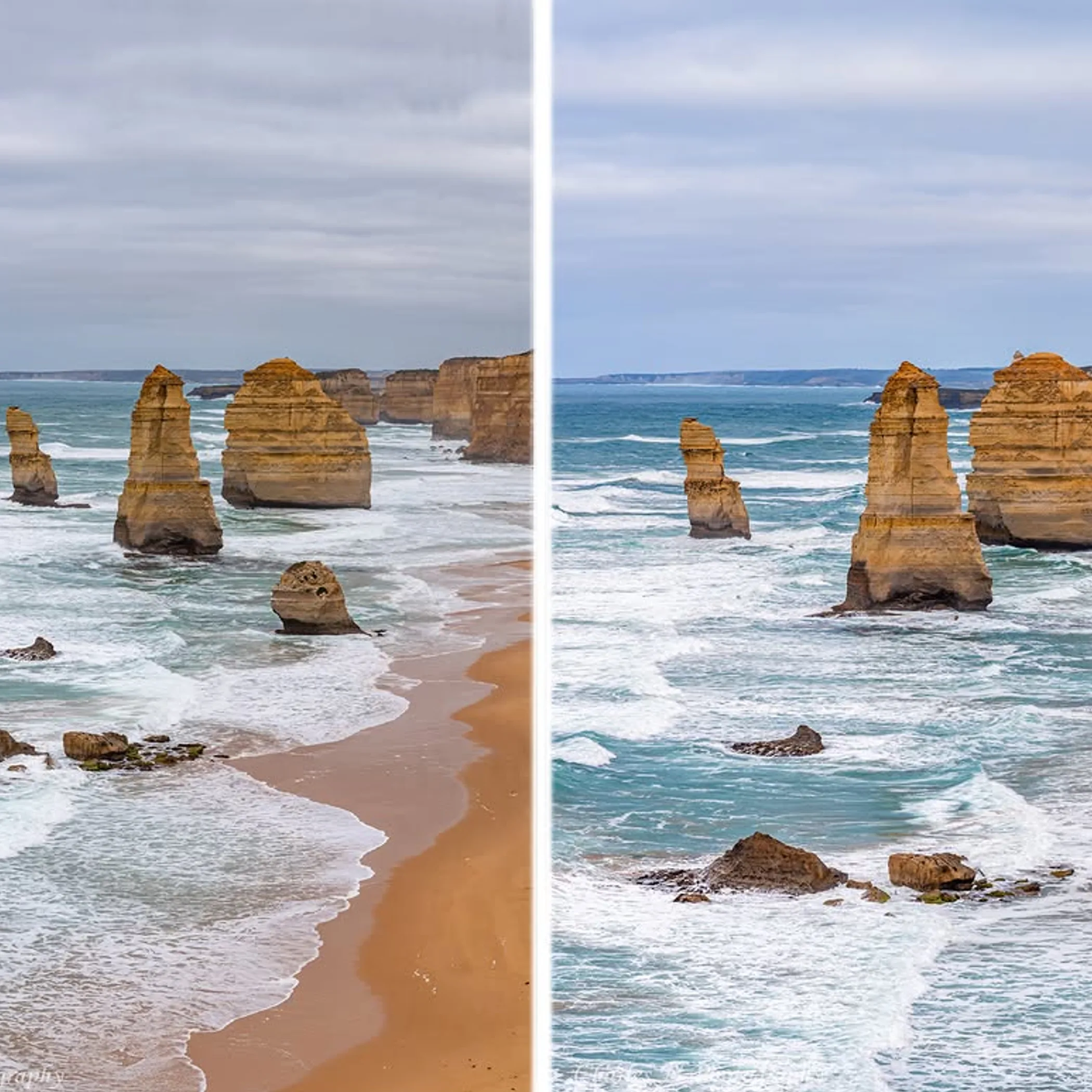
There is no need to attempt “it all” in some heroic fashion when planning your Great Ocean Road road trip. Tristan Farrow would have you do one section right instead of getting in and out of the car all day as if in a tourism decathlon. With a single day you must prioritise, but allow three or five and you can take your time, put in a good meal and not have to make amends to your travelling companions.
One, Three Or Five Days
One day: A long day from Melbourne, but for those seeing the headline scenery for the first time the western side around Port Campbell and the Twelve Apostles is where you want to be for the visual payoff. Be realistic of your fatigue and set off in the morning for what will be a full day.
Three days: Many will tell you this is the way to go. Start with Torquay and Lorne and put in some time in Apollo Bay on the first day. The second is for the Great Otway and making your way to Port Campbell. Then on day three you can see the Twelve Apostles and other formations before heading back inland. It is a good mix of coast, walking and the towns.
Five days: For the walker or one who does not relish repacking each night. There is room to put in some proper time on the beach, a few sections of the Great Ocean Walk, dine in the local towns and have a bit of leeway should the weather be unexceptional.
| Trip Length | Best For | Priority Stops | Reality Check |
| 1 Day | Fast highlights | Twelve Apostles, Port Campbell | Long drive, not much flexibility |
| 3 Days | Most travellers | Torquay, Lorne, Apollo Bay and Port Campbell | Optimal balance of coverage and pace |
| 5 Days | Those who like to travel at a slower, more rewarding clip | Towns, beaches and the odd section of the Great Ocean Walk | Most rewarding if you like slower travel |
Pack Accordingly
You can have the Great Ocean Road weather all sorted in your mind and it will change its tune. A cool evening or a windy spot at the top of a lookout will prove you wrong if you have only packed for a city lunch, warmer months notwithstanding.
People tend to err in packing, either because the forecast is “sunny” they put in nothing but summer clothes, or they overcompensate as though bound for the Red Centre. Neither is of any use.
What to have with you
Any season calls for a light waterproof and a hat. Good walking shoes, an extra layer for the morning or an exposed place, and the usual sun protection. In winter put in some dry socks and warm layers for any walking. In the summer have more water in the car than seems necessary.
Layered clothing for the elements
A jacket that will keep the rain off
Shoes suitable for short tracks and steps
Sunglasses and sunscreen
Snacks, water and a charger for the car
Put the Logistics in Order
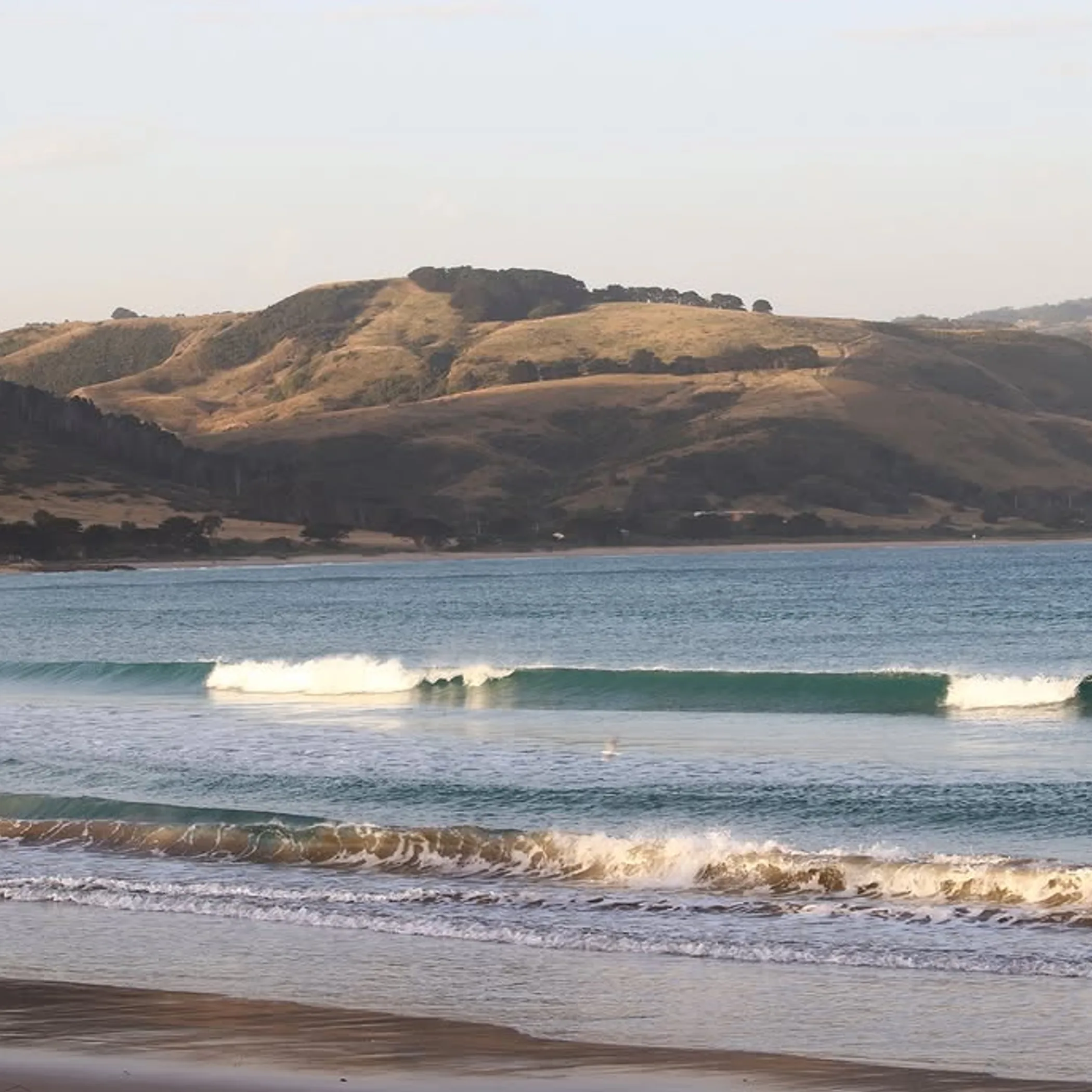
The road is just part of it. How you handle fuel, timing, where you park and your return route is what separates a pleasant outing from one where tempers are frayed and the navigator is being blamed.
Self-driving is the way to go for the independent type. But if the thought of the long haul back or the winding roads is not to your taste, there is sense in a guided option. Practicality is everything in a Great Ocean Road tour planning guide.
From Melbourne most will head southwest through Torquay.
Going east to west is generally regarded as the superior direction, the ocean on your left for an easier scenic stop. Some travellers will head inland on the way back, eschewing a full retracing of the coast.
Make sure to put fuel in the tank prior to the more sedate parts of the road, particularly when you are making your way past the main towns; there are spots where mobile service is not to be relied upon. While public transport will take you to certain towns, it is hardly conducive to an unstructured sightseeing tour of the entire route.
The Local Calendar
Give this some attention. The Great Ocean Road is a different proposition during event periods or long weekends and school holidays. You can have as good a time as any, but one should be aware of what is in store.
In Lorne, Torquay or Apollo Bay the holiday traffic makes its mark. A town that was quiet for lunch one day is soon bustling, and rooms that were in ample supply a month ago may be gone in a night.
Things to Time Right
Roads, cafes and accommodation are under the most strain in the summer school holidays. Easter sees its share of activity too, with the coastal towns and their surfing events. Those who value flexibility would do well to make for the shoulder season and stay clear of the big holiday blocks.
Visit Victoria or Australia.com are fine for a general idea, but put them up against the weather and state of the roads before you go. When it comes to putting a plan together, I am for a notebook or a simple running list. Tristan Farrow made it a habit in his event work and it is the surest way to preclude any errors.
A word of advice for anyone compiling a guide to the Great Ocean Road: factor in the sunrise and sunset, when the small towns put on a meal and where you are likely to queue. It is those small things that make the difference between a smooth day and one held together by wishful thinking.
Have The Proper Expectation
You will find the Great Ocean Road in fine form once you put away the checklist mentality and view it as a route with its own moods. Spring and autumn are the answer for most as to when to visit, combining agreeable driving with decent weather and crowds in check.
Beaches and a bit of a scene? Then book in for summer and do it early. Whales and drama in a less populated town are to be had in winter, provided you have a jacket and are realistic about it. For the all-round winner, Tristan Farrow will tell you to aim for the shoulder season and allow yourself time at the bakery.
Frequently Asked Questions
How many days does the Great Ocean Road call for?
A minimum of three is practical for a trip you will be satisfied with. You could do the highlights in a day, the Twelve Apostles for instance, but from Melbourne it is a long haul and tends to be rushed. Five is better for the slower traveller or walker.
Where is the most beautiful part?
Port Campbell and the vicinity of the Twelve Apostles gives the best show for a first timer. But then the road from Lorne to Apollo Bay has its appeal with forest detours and sea views. It is a matter of taste whether you like the gentler rhythm of the coast or something more dramatic.
When is the best time to be behind the wheel?
Usually spring or autumn. The temperatures are milder and you are spared the worst of the peak season traffic and the discomfort of a stormy winter or high summer.
Which direction to drive?
From Melbourne to Torquay and west is the preference of most. Having the ocean to your left is more natural when you want to pull into a lookout. On the return leg you will find many heading inland instead of going over the whole coastal route again.
Is winter out of the question?
Not at all, though it is not to everyone’s liking. If you are after whale watching and moody scenery with few other people around, it suits you. Not so much if you have a tight schedule or are put off by wind and rain and want to spend your time on the beach.
